Belgium’s Council of Ministers on 24 April approved a mobility package that reallocates €124.5 million of unused Infrabel budget—freed up after delayed works in Ghent-Terneuzen and Antwerp-Berchem—to four new rail projects aimed at passenger comfort, military logistics and greener freight. Together with €52 million in Connecting Europe Facility grants, total new funding reaches €176.5 million.
![Belgian federal budget shuffle unlocks €176 million for rail upgrades and cross-border links]()
For international travellers keen to experience Belgium’s upgraded rail network once these projects come online, VisaHQ can streamline the visa process. Its easy-to-use portal (https://www.visahq.com/belgium/) provides step-by-step assistance for Belgian visas and transit documents, ensuring that planning a rail-focused itinerary across Belgium and its neighbours is both quick and hassle-free.
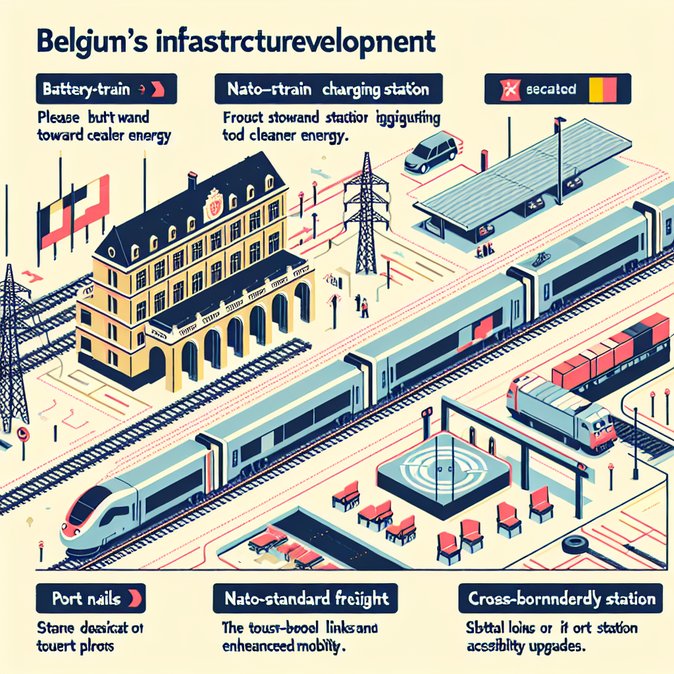
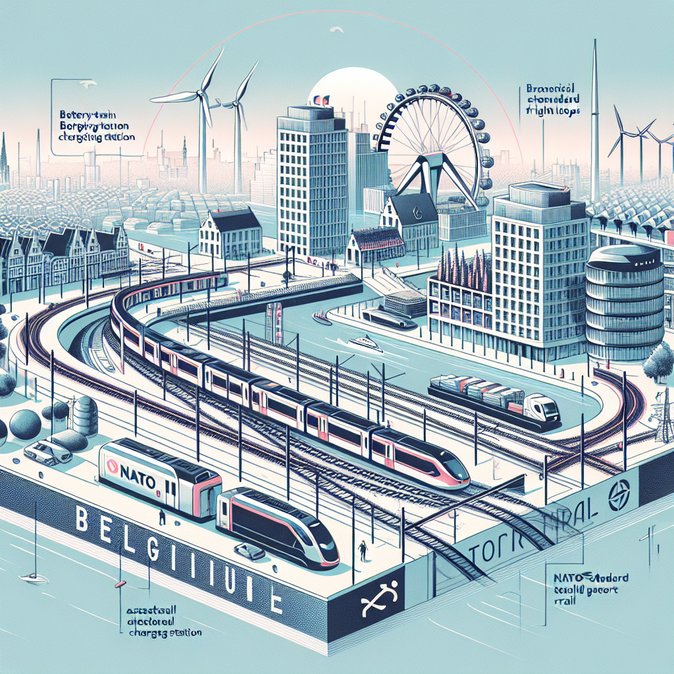
The headline item is €27.5 million for battery-train infrastructure on five non-electrified lines in Flanders. These lines currently rely on diesel multiple units; installing fast-charge stations will allow NMBS/SNCB to deploy hybrid or full-battery rolling stock from 2027, cutting CO₂ emissions by an estimated 16 000 tonnes annually. A further €21.5 million will lengthen loops and sidings near Leopoldsburg so the Defence Ministry can run 750-metre freight trains, a NATO standard that eases troop and equipment movements to Germany and the Netherlands. The classic Iron Rhine freight corridor between Antwerp and Mönchengladbach receives €15.6 million for a second track over a 14-kilometre bottleneck section, doubling capacity and reducing conflicts with InterCity passenger services. Finally, €10 million is earmarked to relocate Cambron-Casteau station 300 metres closer to the Pairi Daiza wildlife park, eliminating a 15-minute walk for tourists and improving regional tourism flows. Beyond the four flagship projects, the package invests €42.8 million in track renewal and electrification inside the Port of Antwerp-Bruges and €24.4 million in signalling upgrades at North Sea Port Ghent. Eleven stations—seven in Brussels and four in Flanders—will receive higher platforms and step-free access, while additional funds will accelerate the national roll-out of the ETCS Level 2 safety system and install anti-trespass cameras at hot-spot level crossings. For employers running commuter programmes or time-sensitive supply chains, the announcement matters on two fronts: reduced disruption risk in Antwerp port, and the promise of faster, greener passenger services on regional lines that feed Brussels and Leuven. Mobility Minister Jean-Luc Crucke stressed that the plan was budget-neutral: “We are using delays to unlock progress elsewhere.” Industry groups welcomed the move but urged government to resolve permitting obstacles that continue to slow megaprojects like Ghent-Terneuzen.
For international travellers keen to experience Belgium’s upgraded rail network once these projects come online, VisaHQ can streamline the visa process. Its easy-to-use portal (https://www.visahq.com/belgium/) provides step-by-step assistance for Belgian visas and transit documents, ensuring that planning a rail-focused itinerary across Belgium and its neighbours is both quick and hassle-free.
The headline item is €27.5 million for battery-train infrastructure on five non-electrified lines in Flanders. These lines currently rely on diesel multiple units; installing fast-charge stations will allow NMBS/SNCB to deploy hybrid or full-battery rolling stock from 2027, cutting CO₂ emissions by an estimated 16 000 tonnes annually. A further €21.5 million will lengthen loops and sidings near Leopoldsburg so the Defence Ministry can run 750-metre freight trains, a NATO standard that eases troop and equipment movements to Germany and the Netherlands. The classic Iron Rhine freight corridor between Antwerp and Mönchengladbach receives €15.6 million for a second track over a 14-kilometre bottleneck section, doubling capacity and reducing conflicts with InterCity passenger services. Finally, €10 million is earmarked to relocate Cambron-Casteau station 300 metres closer to the Pairi Daiza wildlife park, eliminating a 15-minute walk for tourists and improving regional tourism flows. Beyond the four flagship projects, the package invests €42.8 million in track renewal and electrification inside the Port of Antwerp-Bruges and €24.4 million in signalling upgrades at North Sea Port Ghent. Eleven stations—seven in Brussels and four in Flanders—will receive higher platforms and step-free access, while additional funds will accelerate the national roll-out of the ETCS Level 2 safety system and install anti-trespass cameras at hot-spot level crossings. For employers running commuter programmes or time-sensitive supply chains, the announcement matters on two fronts: reduced disruption risk in Antwerp port, and the promise of faster, greener passenger services on regional lines that feed Brussels and Leuven. Mobility Minister Jean-Luc Crucke stressed that the plan was budget-neutral: “We are using delays to unlock progress elsewhere.” Industry groups welcomed the move but urged government to resolve permitting obstacles that continue to slow megaprojects like Ghent-Terneuzen.