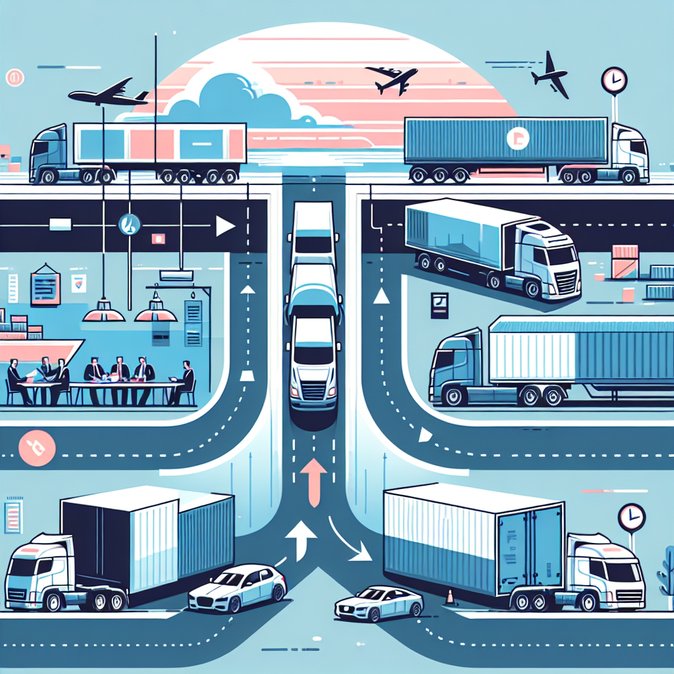
Hauliers and warehouse workers who had threatened a 24-hour national walk-out this week have suspended industrial action, Swedish freight forwarder NTEX confirmed in a customer bulletin on 21 April. The strike—which would have affected road, rail and port operations—was withdrawn after mediation by the Transport Ministry, although unions warned that negotiations over driver overtime and fuel-cost compensation remain unresolved. While the immediate risk of cargo backlogs at Genoa, Trieste and inland intermodal hubs has eased, logistics managers should brace for residual disruption through the weekend. Shipments booked on contingency routings may arrive out of sequence, and spot-market trucking rates could stay elevated until equipment is repositioned.
![Nation-Wide Logistics Strike in Italy Called Off, Freight Flows Resume]()
Businesses dispatching staff to Italy to oversee rerouting or negotiate with carriers can streamline their travel paperwork through VisaHQ, which offers fast Italian visa processing and real-time status updates (https://www.visahq.com/italy/). By outsourcing consular formalities to a specialist, logistics teams can focus on mitigating supply-chain shocks rather than chasing embassy appointments.
Companies operating just-in-time supply chains—automotive and fashion in particular—are advised to track consignments closely and update customers about possible day-scale delays. The scare underscores Italy’s vulnerability to transport stoppages at a time when the country is pitching itself as a near-shoring base for Mediterranean supply chains. Industry associations have urged government and unions to finalise a multi-year framework that links pay rises to official fuel-price trackers, removing the trigger for rolling strikes. Multinationals should refresh their business-continuity plans; many have introduced dual-sourcing or mini-stockpiles around Milan and Bologna to buffer against future walk-outs, which the unions say could resume with just 10 days’ notice if talks stall.

Businesses dispatching staff to Italy to oversee rerouting or negotiate with carriers can streamline their travel paperwork through VisaHQ, which offers fast Italian visa processing and real-time status updates (https://www.visahq.com/italy/). By outsourcing consular formalities to a specialist, logistics teams can focus on mitigating supply-chain shocks rather than chasing embassy appointments.
Companies operating just-in-time supply chains—automotive and fashion in particular—are advised to track consignments closely and update customers about possible day-scale delays. The scare underscores Italy’s vulnerability to transport stoppages at a time when the country is pitching itself as a near-shoring base for Mediterranean supply chains. Industry associations have urged government and unions to finalise a multi-year framework that links pay rises to official fuel-price trackers, removing the trigger for rolling strikes. Multinationals should refresh their business-continuity plans; many have introduced dual-sourcing or mini-stockpiles around Milan and Bologna to buffer against future walk-outs, which the unions say could resume with just 10 days’ notice if talks stall.