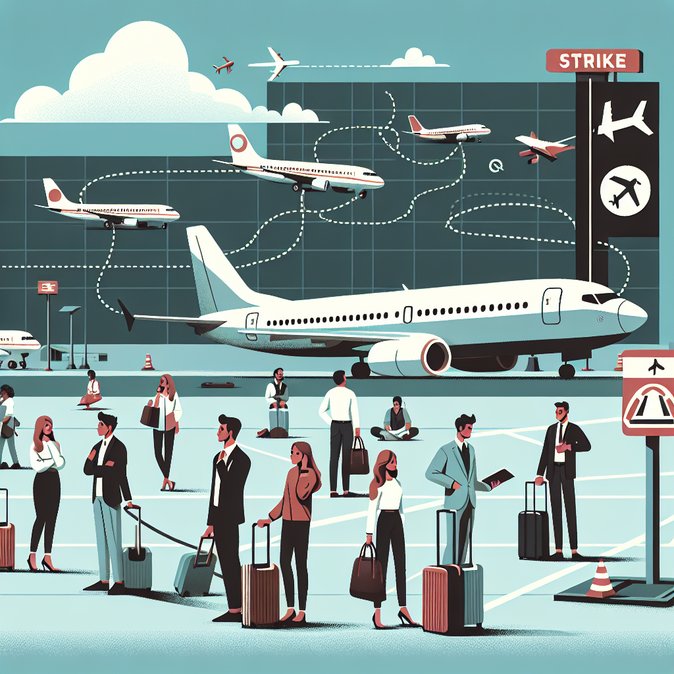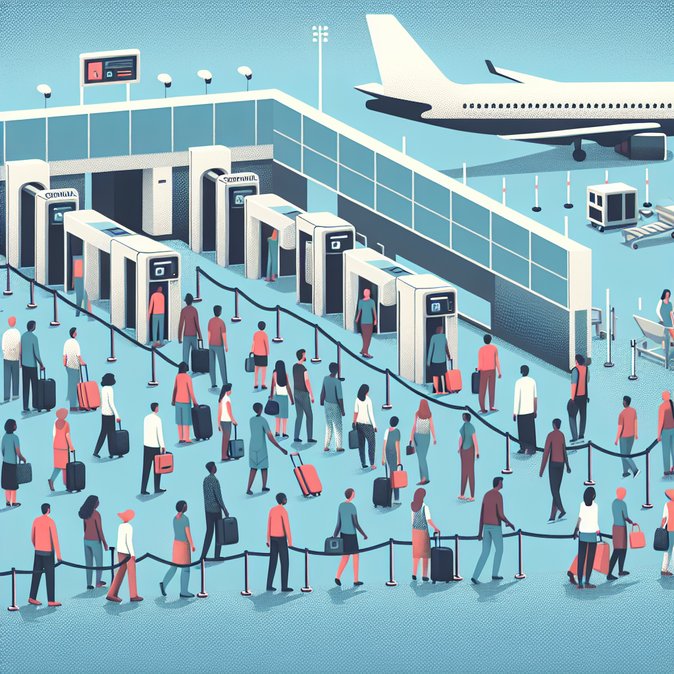
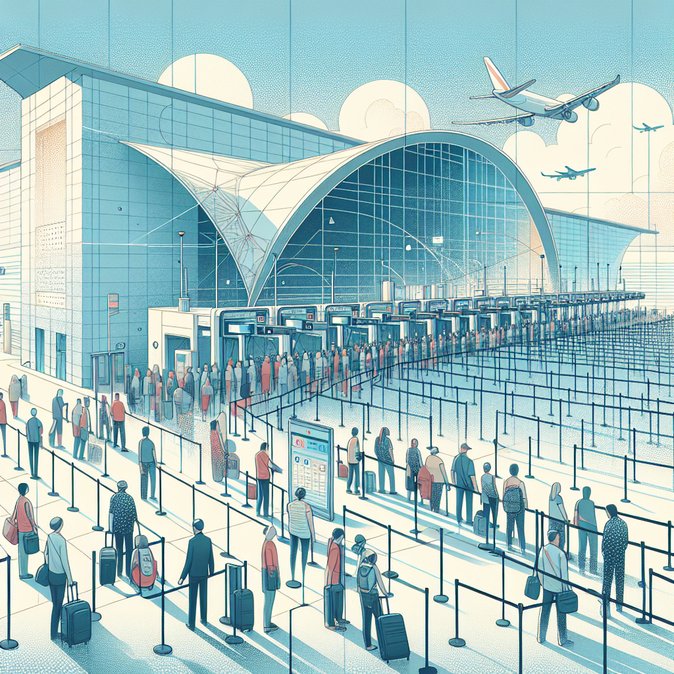
Barely ten days after Europe switched on its long-awaited Entry/Exit System (EES), the technology is already testing travellers’ patience in Italy. On 19 April more than 120 easyJet passengers missed flight U2 1864 from Milan Linate to Manchester after queues at the non-Schengen passport control ballooned to three hours, according to first-hand accounts collated by travel-risk site Nomad Lawyer. The airline was forced to depart half-empty to avoid losing its slot, leaving stranded customers scrambling for hotel rooms and last-minute alternatives. EES requires all non-EU arrivals and departures to provide biometrics—four fingerprints and a facial image—on every first crossing within a 180-day period. While the process is meant to speed future crossings, front-line officers at Linate had only two biometric kiosks operational on Sunday afternoon, creating a bottleneck that quickly paralysed the departure hall.
Similar scenes have been reported at Rome Fiumicino and Venice Marco Polo, but Linate’s lack of airside transfer capacity amplified the chaos.
![EU biometric Entry/Exit System strands over 120 passengers at Milan Linate]()
For travellers and corporate mobility planners eager to avoid such headaches, VisaHQ’s Italy resource page (https://www.visahq.com/italy/) aggregates the latest EES updates, visa requirements, and airport-specific advisories. The platform can arrange biometric appointments, send queue-time alerts, and streamline documentation, helping passengers navigate Italy’s tightening border formalities with far less stress.
Travel-management companies warn that the Milan incident is a sign of what could become the “new normal” until staffing and equipment catch up with EES requirements. Companies with frequent UK or US travellers are being advised to allow at least 90 minutes for exit formalities at Italian airports and to avoid tight domestic-to-international connections. Some firms are re-routing via Zurich or Vienna, where e-gates processed trials earlier and appear more stable. easyJet told affected passengers it would reimburse reasonable accommodation and provide alternative transport, but compensation under EU 261 is unlikely because border-control delay is classified as a governmental responsibility. Nevertheless, employers may face higher trip-rescue costs and productivity losses as the Schengen Area completes the EES rollout ahead of the late-2026 ETIAS launch. The Interior Ministry said in a statement that additional biometric kiosks are being deployed across Lombardy airports this week and that carriers will receive real-time queue-length data to adjust boarding times. Until those measures bite, mobility managers should brief employees to expect lengthy formalities leaving Italy—a reversal of the traditional arrival-only bottleneck.
Similar scenes have been reported at Rome Fiumicino and Venice Marco Polo, but Linate’s lack of airside transfer capacity amplified the chaos.
For travellers and corporate mobility planners eager to avoid such headaches, VisaHQ’s Italy resource page (https://www.visahq.com/italy/) aggregates the latest EES updates, visa requirements, and airport-specific advisories. The platform can arrange biometric appointments, send queue-time alerts, and streamline documentation, helping passengers navigate Italy’s tightening border formalities with far less stress.
Travel-management companies warn that the Milan incident is a sign of what could become the “new normal” until staffing and equipment catch up with EES requirements. Companies with frequent UK or US travellers are being advised to allow at least 90 minutes for exit formalities at Italian airports and to avoid tight domestic-to-international connections. Some firms are re-routing via Zurich or Vienna, where e-gates processed trials earlier and appear more stable. easyJet told affected passengers it would reimburse reasonable accommodation and provide alternative transport, but compensation under EU 261 is unlikely because border-control delay is classified as a governmental responsibility. Nevertheless, employers may face higher trip-rescue costs and productivity losses as the Schengen Area completes the EES rollout ahead of the late-2026 ETIAS launch. The Interior Ministry said in a statement that additional biometric kiosks are being deployed across Lombardy airports this week and that carriers will receive real-time queue-length data to adjust boarding times. Until those measures bite, mobility managers should brief employees to expect lengthy formalities leaving Italy—a reversal of the traditional arrival-only bottleneck.