The EU’s new Entry/Exit System (EES) caused its first major airline-specific meltdown on 17 April when over 120 easyJet passengers missed flight U2 1864 from Milan-Linate to Manchester. Only 34 of the 160 booked travellers cleared Italian passport control before boarding closed, forcing the Airbus A320 to depart three-quarters empty and leaving families and business travellers scrambling for hotels and rebooking options.
![EU biometric border checks strand more than 120 UK passengers at Milan Linate]()
Travellers unsure about the new biometric formalities can turn to VisaHQ for guidance; the UK portal (https://www.visahq.com/united-kingdom/) offers up-to-date information on Schengen entry rules, personalised document checklists and expedited appointment booking, helping individuals and corporate travel teams navigate EES and other visa requirements quickly.
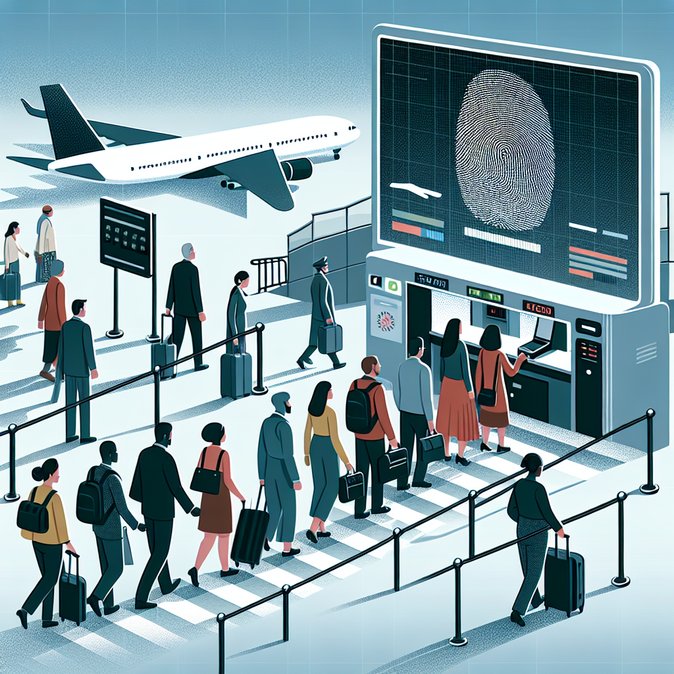
Airport officials blamed multi-hour queues triggered by the EES, which fully went live on 10 April and now requires all non-EU visitors—including Britons—to provide fingerprints and facial images on first entry. Automated booths repeatedly rejected passports, pushing most travellers into understaffed manual lanes. EasyJet publicly called the situation “unacceptable” and demanded urgent talks with Italian border police and ENAC, the civil-aviation regulator. Passenger-rights lawyers said compensation claims under EU 261 will be complex because the disruption originated with border-control authorities rather than the airline. For UK businesses the incident is a stark warning that biometric teething problems could jeopardise tight travel itineraries across the Continent in the coming weeks. Travel managers are advising employees to arrive at least three hours before departure, retain receipts for out-of-pocket costs and consider routing through smaller regional airports until processing times stabilise. Airports Council International Europe has asked the European Commission for contingency powers to suspend EES during peak periods, but no decision has been taken. Milan’s chaos suggests that without swift fixes, the May bank-holiday rush could see widespread knock-on delays for UK-bound flights.
Travellers unsure about the new biometric formalities can turn to VisaHQ for guidance; the UK portal (https://www.visahq.com/united-kingdom/) offers up-to-date information on Schengen entry rules, personalised document checklists and expedited appointment booking, helping individuals and corporate travel teams navigate EES and other visa requirements quickly.
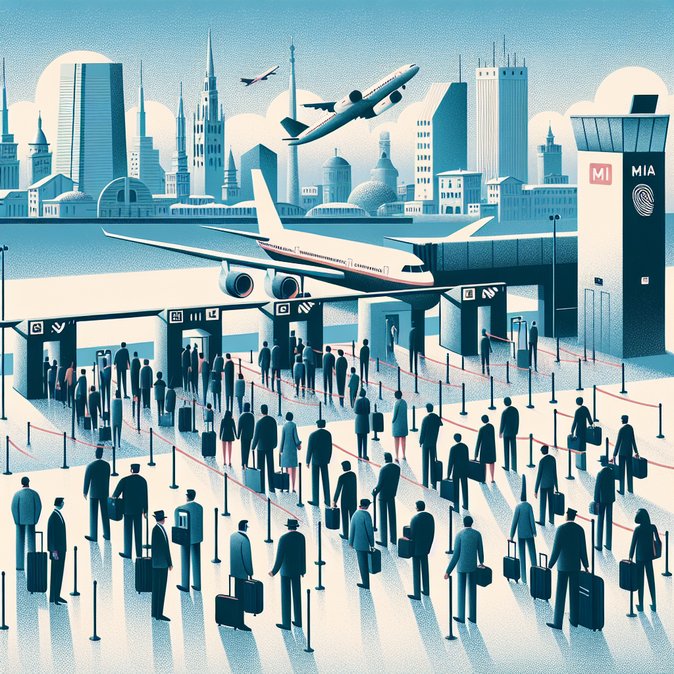
Airport officials blamed multi-hour queues triggered by the EES, which fully went live on 10 April and now requires all non-EU visitors—including Britons—to provide fingerprints and facial images on first entry. Automated booths repeatedly rejected passports, pushing most travellers into understaffed manual lanes. EasyJet publicly called the situation “unacceptable” and demanded urgent talks with Italian border police and ENAC, the civil-aviation regulator. Passenger-rights lawyers said compensation claims under EU 261 will be complex because the disruption originated with border-control authorities rather than the airline. For UK businesses the incident is a stark warning that biometric teething problems could jeopardise tight travel itineraries across the Continent in the coming weeks. Travel managers are advising employees to arrive at least three hours before departure, retain receipts for out-of-pocket costs and consider routing through smaller regional airports until processing times stabilise. Airports Council International Europe has asked the European Commission for contingency powers to suspend EES during peak periods, but no decision has been taken. Milan’s chaos suggests that without swift fixes, the May bank-holiday rush could see widespread knock-on delays for UK-bound flights.