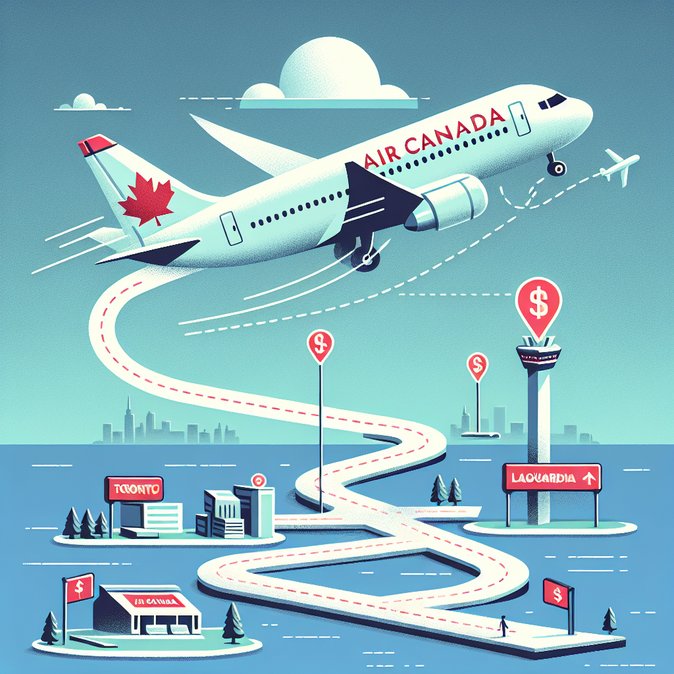
Canada’s flag carrier will halt its twice-daily Toronto–JFK and daily Montreal–JFK rotations from 1 June until 25 October 2026, citing the “extraordinary spike” in global jet-fuel costs triggered by the conflict in Iran and last week’s temporary closure of the Strait of Hormuz. The announcement came in an Associated Press interview published April 17. Service to New York’s LaGuardia and Newark airports will continue, and customers booked to JFK will be re-protected on those routes or on codeshares with United Airlines. The carrier said fuel now accounts for 36 % of its operating expenses, up from 26 % a year ago, and that marginal transborder routes are under review. Analysts at Raymond James estimate the suspension could shave up to $18 million from third-quarter revenue but will have a neutral impact on profits because JFK slots are among the most expensive in North America to operate.
![Air Canada to suspend Toronto and Montreal–JFK flights June–October as jet-fuel prices bite]()
While flight schedules are in flux, keeping travel documents current is still non-negotiable. VisaHQ’s Canadian portal (https://www.visahq.com/canada/) allows both corporate managers and individual travellers to verify U.S. entry rules, file visa applications online and even arrange expedited passport renewals, ensuring paperwork doesn’t become another bottleneck when routes suddenly change.
For corporate travel managers the implications are immediate. Toronto-area executives bound for Manhattan will likely shift to the high-frequency LaGuardia shuttle, but those with midtown or Long Island clients may face longer ground transfers. Montreal-based travelers lose their only nonstop to JFK and may need to connect or switch to LaGuardia, adding complexity for time-sensitive pharmaceutical and aerospace shipments that rely on belly cargo. The move underscores how geopolitical shocks reverberate through business-travel planning. If fuel prices remain above US$4 per gallon—double their pre-war level—Air Canada may re-evaluate additional U.S. secondary hubs such as Boston and Washington Dulles. Companies should monitor schedule-change advisories and update duty-of-care tracking tools accordingly. Travel-management firms also note that LaGuardia’s ongoing $4 billion reconstruction is reducing gate capacity during peak hours, so premium fares could rise. Negotiating corporate discounts across multiple New York airports and purchasing refundable fares until schedules stabilise is advised.
While flight schedules are in flux, keeping travel documents current is still non-negotiable. VisaHQ’s Canadian portal (https://www.visahq.com/canada/) allows both corporate managers and individual travellers to verify U.S. entry rules, file visa applications online and even arrange expedited passport renewals, ensuring paperwork doesn’t become another bottleneck when routes suddenly change.
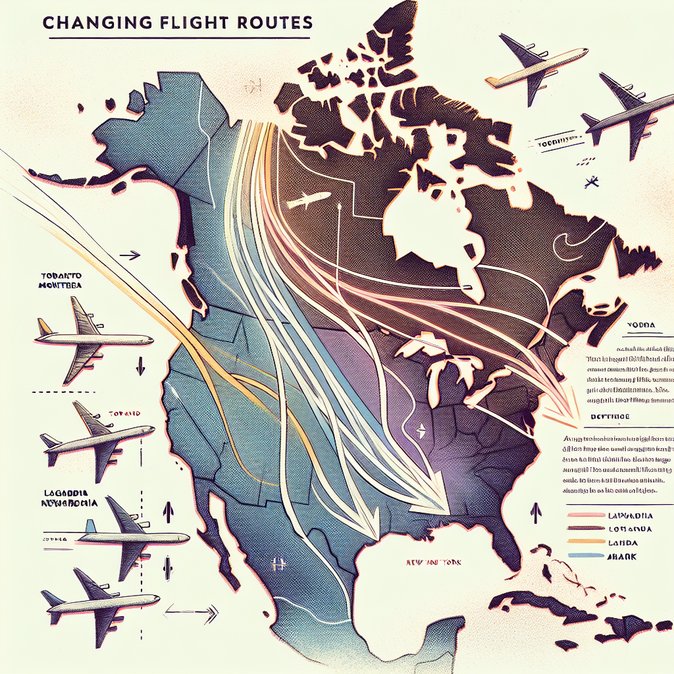
For corporate travel managers the implications are immediate. Toronto-area executives bound for Manhattan will likely shift to the high-frequency LaGuardia shuttle, but those with midtown or Long Island clients may face longer ground transfers. Montreal-based travelers lose their only nonstop to JFK and may need to connect or switch to LaGuardia, adding complexity for time-sensitive pharmaceutical and aerospace shipments that rely on belly cargo. The move underscores how geopolitical shocks reverberate through business-travel planning. If fuel prices remain above US$4 per gallon—double their pre-war level—Air Canada may re-evaluate additional U.S. secondary hubs such as Boston and Washington Dulles. Companies should monitor schedule-change advisories and update duty-of-care tracking tools accordingly. Travel-management firms also note that LaGuardia’s ongoing $4 billion reconstruction is reducing gate capacity during peak hours, so premium fares could rise. Negotiating corporate discounts across multiple New York airports and purchasing refundable fares until schedules stabilise is advised.