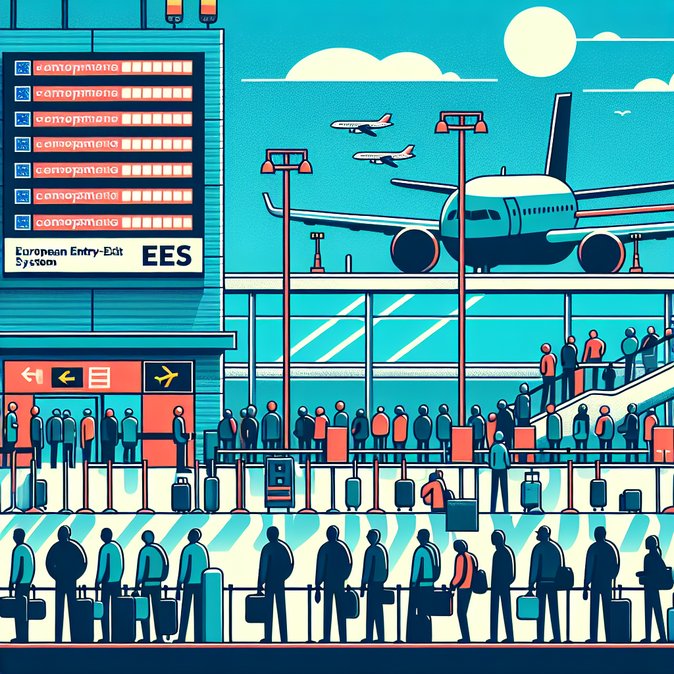
Italy’s aviation network endured another day of turmoil on 15 April as Lufthansa, KLM, United Airlines and several other carriers logged 356 delayed departures and 54 cancellations at Rome-Fiumicino, Milan-Malpensa, Bologna, Naples and Venice. Travel & Tour World reports that a blend of crew shortages, rolling knock-ons from Entry/Exit System queues and bad weather over the Apennines combined to push on-time performance below 60 percent.
![Flight Disruptions Mount: 356 Delays and 54 Cancellations Recorded Across Five Italian Hubs on 15 April]()
Travellers looking to minimise friction can also sort out any visa or passport formalities ahead of time with the help of VisaHQ. The platform’s Italy page (https://www.visahq.com/italy/) walks users through Schengen visa rules, e-gate eligibility and expedited document services, potentially shaving precious minutes off airport processing when every second counts.
Fiumicino bore the brunt, with 30 Lufthansa flights delayed by more than an hour and five outright cancellations. Malpensa saw similar disruption across intercontinental services, including United’s morning departure to Newark and KLM’s evening Amsterdam rotation. Airline operations teams say even minor gate-changes are cascading into crew-duty infringements because buffer times have been eroded by longer passenger-processing windows. For business travellers, the immediate consequence is missed connections and overnight layovers. Travel-risk consultancies recommend booking flexible fares and monitoring carrier apps for automatic re-routing offers. Meanwhile, relocation shipments reliant on belly-hold capacity are experiencing delays of up to 48 hours as cargo is rolled to later flights. Airport operators have published recovery plans that include bringing in reserve staff and prioritising critical transfer passengers through dedicated lanes. However, unions representing ground handlers warn that persistent manpower gaps could trigger formal industrial action in early May if overtime dependence continues. The wave of delays intensifies pressure on the Italian Ministry of Transport to accelerate the deployment of additional e-gates and to coordinate with airlines on realistic schedule adjustments until EES stabilises.
Travellers looking to minimise friction can also sort out any visa or passport formalities ahead of time with the help of VisaHQ. The platform’s Italy page (https://www.visahq.com/italy/) walks users through Schengen visa rules, e-gate eligibility and expedited document services, potentially shaving precious minutes off airport processing when every second counts.
Fiumicino bore the brunt, with 30 Lufthansa flights delayed by more than an hour and five outright cancellations. Malpensa saw similar disruption across intercontinental services, including United’s morning departure to Newark and KLM’s evening Amsterdam rotation. Airline operations teams say even minor gate-changes are cascading into crew-duty infringements because buffer times have been eroded by longer passenger-processing windows. For business travellers, the immediate consequence is missed connections and overnight layovers. Travel-risk consultancies recommend booking flexible fares and monitoring carrier apps for automatic re-routing offers. Meanwhile, relocation shipments reliant on belly-hold capacity are experiencing delays of up to 48 hours as cargo is rolled to later flights. Airport operators have published recovery plans that include bringing in reserve staff and prioritising critical transfer passengers through dedicated lanes. However, unions representing ground handlers warn that persistent manpower gaps could trigger formal industrial action in early May if overtime dependence continues. The wave of delays intensifies pressure on the Italian Ministry of Transport to accelerate the deployment of additional e-gates and to coordinate with airlines on realistic schedule adjustments until EES stabilises.
More From Italy
View all
Nationwide Transport Strike Set for 20–25 April Could Disrupt All International Freight Movements to and from Italy
EU Entry/Exit System Triggers Three-Hour Queues at Italian Airports, Industry Calls for Flexibility