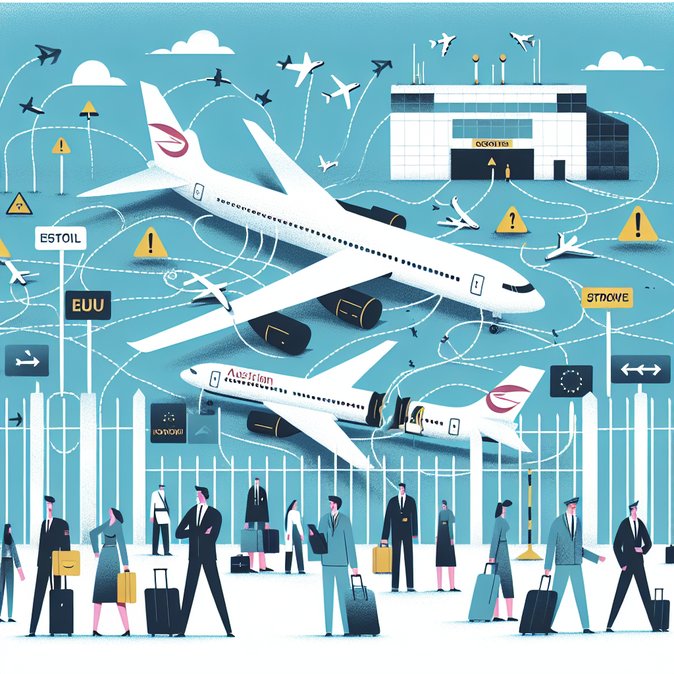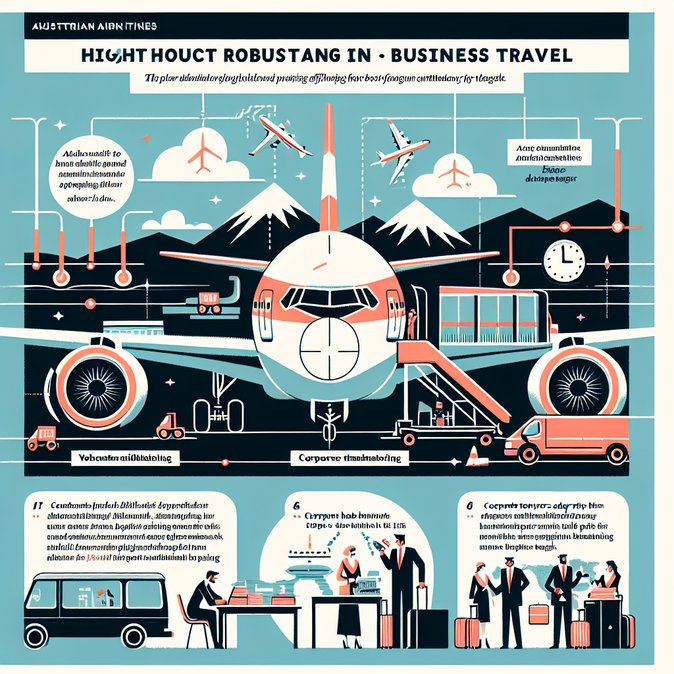
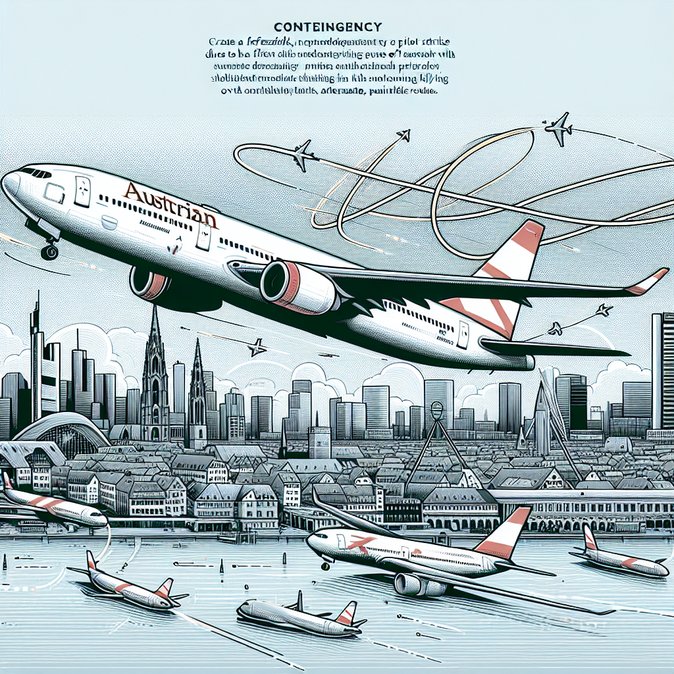
A 48-hour pilot strike at Lufthansa and its subsidiaries that began at 00:01 on Monday, 13 April, has ripple-effects across Austria’s busiest corporate air corridors. Although Austrian Airlines (AUA) crews are not taking industrial action, the carrier is part of the Lufthansa Group and relies heavily on its German hubs for feeder traffic. In response, AUA spokesperson Yvonne Wachholder told public broadcaster ORF that the airline is **up-gauging** Vienna–Frankfurt and Vienna–Munich rotations from Airbus A320 to wide-body Boeing 767 equipment where slots permit, adding roughly 1,500 extra seats per day. Travel-management companies (TMCs) say the move is crucial for Austrian multinationals that rely on same-day connections via Frankfurt for long-haul journeys to the United States and Asia.
![Austrian Airlines deploys larger jets to cushion impact of Lufthansa pilot strike]()
Amid such last-minute scheduling shifts, travellers must also keep an eye on visa and transit requirements. VisaHQ’s Austrian portal (https://www.visahq.com/austria/) lets corporate mobility teams and individual passengers check live entry rules and secure any necessary documents—often within hours—so that an unexpected reroute or overnight stop caused by strike disruption doesn’t turn into an immigration snag.
“By protecting capacity on the first leg we keep itineraries intact and avoid costly overnight stays,” explained Christoph Moser, head of mobility at chemicals giant Borealis. Companies are also reminding staff that **EU261 compensation does not apply** when the operating carrier (AUA) is unaffected but a down-line Lufthansa flight is cancelled, and that travel-insurance claims may require proof of duty of care. Vienna Airport reports that ground-handling teams have been re-rostering gates to accommodate the larger aircraft and has opened a dedicated re-booking desk in Terminal 3. Railjet operator ÖBB has added two extra morning services to Munich to absorb overflow passengers, highlighting the importance of intermodal contingency planning. Industrial-relations experts point out that this is the third Lufthansa strike in six months and warn of a “permanently elevated” risk profile for travellers through at least the summer. Austrian HR departments are therefore updating travel policies to include mandatory buffer times for meetings scheduled after a German connection and encouraging the use of virtual collaboration tools. For the moment, however, AUA’s proactive capacity management appears to be keeping Austria-originating traffic moving—an example of how national carriers can shield local economies from labour disputes elsewhere in the network.
Amid such last-minute scheduling shifts, travellers must also keep an eye on visa and transit requirements. VisaHQ’s Austrian portal (https://www.visahq.com/austria/) lets corporate mobility teams and individual passengers check live entry rules and secure any necessary documents—often within hours—so that an unexpected reroute or overnight stop caused by strike disruption doesn’t turn into an immigration snag.
“By protecting capacity on the first leg we keep itineraries intact and avoid costly overnight stays,” explained Christoph Moser, head of mobility at chemicals giant Borealis. Companies are also reminding staff that **EU261 compensation does not apply** when the operating carrier (AUA) is unaffected but a down-line Lufthansa flight is cancelled, and that travel-insurance claims may require proof of duty of care. Vienna Airport reports that ground-handling teams have been re-rostering gates to accommodate the larger aircraft and has opened a dedicated re-booking desk in Terminal 3. Railjet operator ÖBB has added two extra morning services to Munich to absorb overflow passengers, highlighting the importance of intermodal contingency planning. Industrial-relations experts point out that this is the third Lufthansa strike in six months and warn of a “permanently elevated” risk profile for travellers through at least the summer. Austrian HR departments are therefore updating travel policies to include mandatory buffer times for meetings scheduled after a German connection and encouraging the use of virtual collaboration tools. For the moment, however, AUA’s proactive capacity management appears to be keeping Austria-originating traffic moving—an example of how national carriers can shield local economies from labour disputes elsewhere in the network.
More From Austria
View all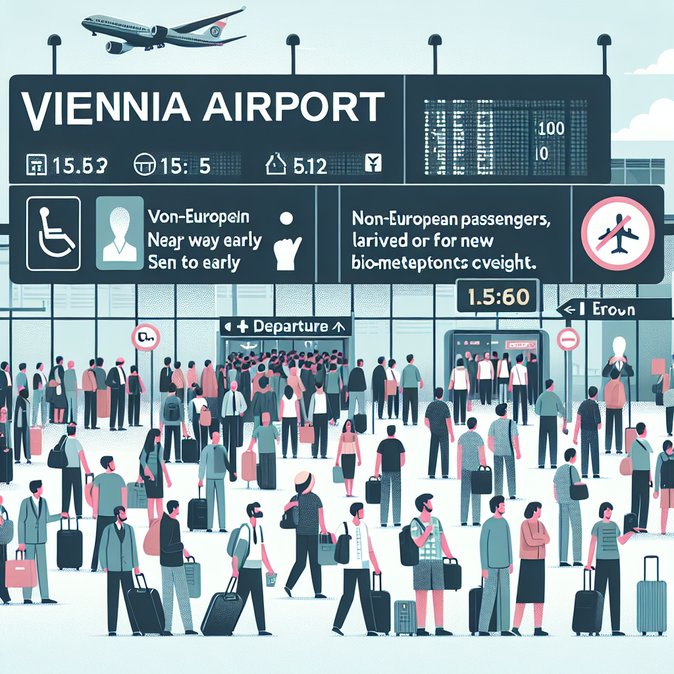
New EU Entry/Exit System causes hours-long queues—Vienna Airport urges non-EU travellers to arrive early
Austrian Airlines A320 returns to service after emergency engine swap, restoring capacity on intra-European network