Italy’s state road agency ANAS is bracing for what it calls the first “stress-test” of the summer: some 45 million car journeys expected between 30 May and Tuesday 2 June, when the country marks the 80ᵗʰ anniversary of the Republic. In a bulletin issued at dawn on 31 May, the agency detailed an extraordinary operations plan that fields 2,700 staff and 200 control-room operators to monitor traffic flows round-the-clock.
![ANAS warns of 45 million trips over Republic Day ‘bridge’, imposes truck bans]()
International visitors eyeing the long weekend should remember that passports and visas need to be in order too; VisaHQ’s dedicated Italy page (https://www.visahq.com/italy/) lets travellers check requirements, complete applications online and schedule consular appointments in minutes, so bureaucracy doesn’t add to the traffic jams.
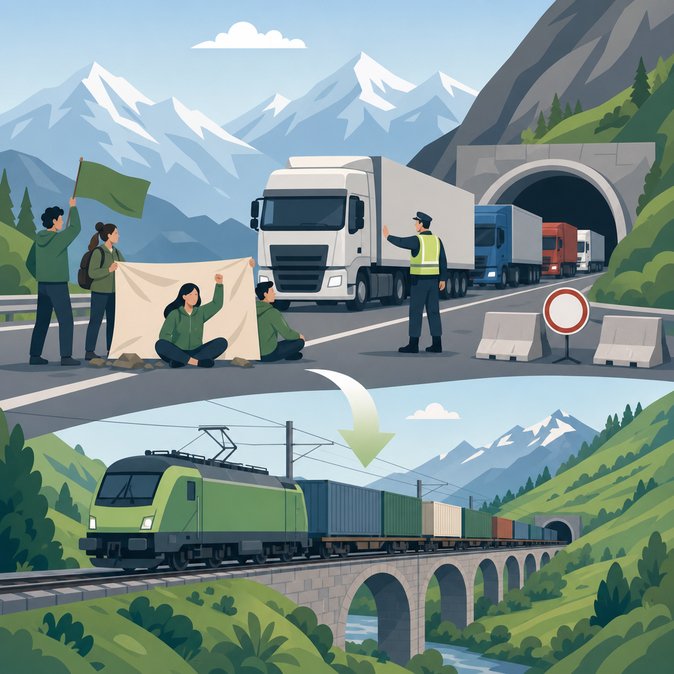
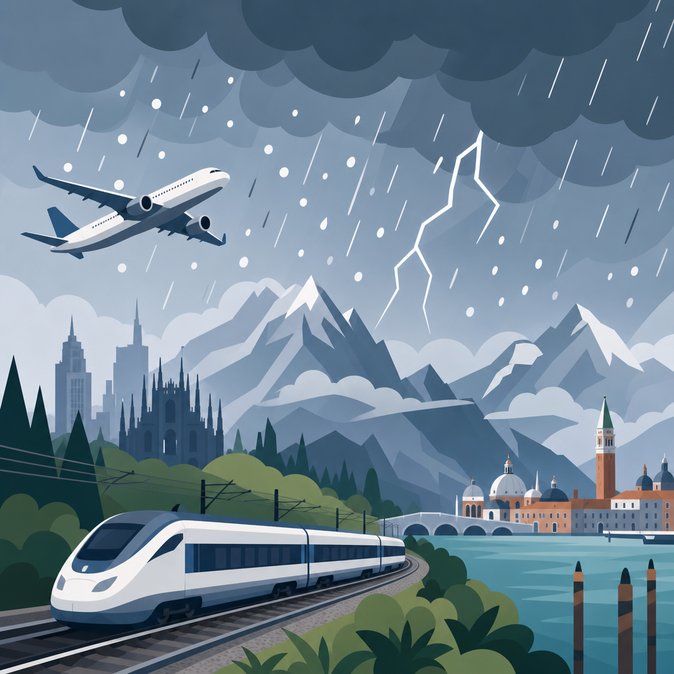
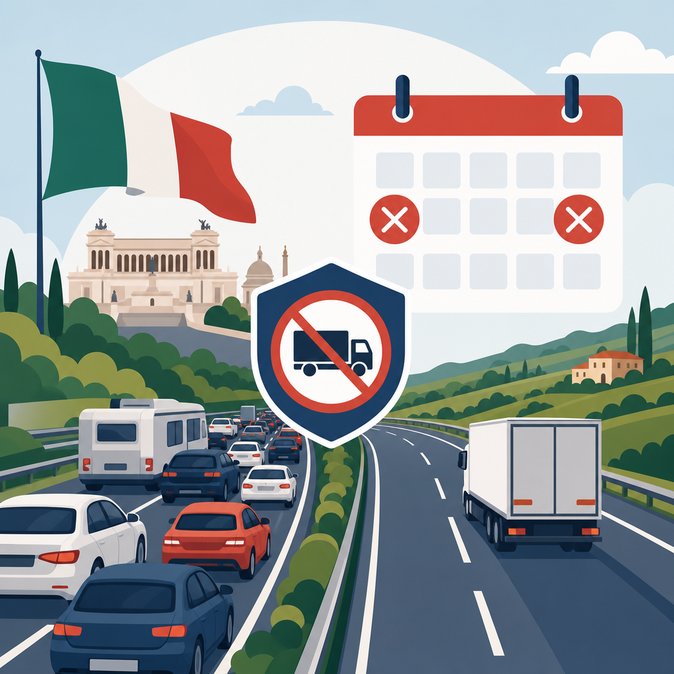
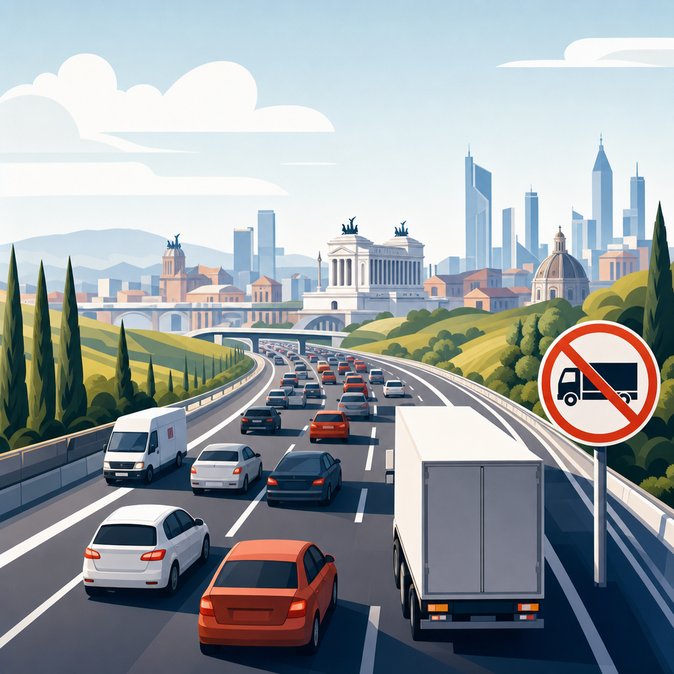
To smooth flows, heavy-goods vehicles over 7.5 tonnes are barred from national roads on Sunday 31 May (09:00-22:00) and again on the holiday itself (07:00-22:00). The ban follows an earlier Saturday curfew and is designed to keep tourist corridors—especially the A2 Autostrada del Mediterraneo, the SS 1 “Aurelia” and the Adriatic SS 16—clear for leisure traffic heading to the coast. ANAS chief executive Claudio Andrea Gemme warned that congestion peaks are forecast on approaches to Rome, Naples and Milan as weekenders return Monday night, while the south-north Brenner route may still feel knock-on effects from Saturday’s protest on the Austrian side. Variable-message signs will carry real-time updates and alternative-route advice. Corporate mobility managers should alert employees travelling on assignment or returning from off-sites that journey times could double on critical stretches. Where possible, rail or regional air alternatives may save time, although Trenitalia also expects high load factors and recommends seat reservations. Delivery planners should note that the HGV ban effectively removes two full operating days from time-critical supply chains. Looking ahead, analysts view the Republic Day “bridge” as a rehearsal for the peak mid-August Ferragosto exodus. ANAS says performance data gathered this weekend will inform dynamic lane-management pilots and additional ITS (intelligent transport system) roll-outs before the main holiday season.
International visitors eyeing the long weekend should remember that passports and visas need to be in order too; VisaHQ’s dedicated Italy page (https://www.visahq.com/italy/) lets travellers check requirements, complete applications online and schedule consular appointments in minutes, so bureaucracy doesn’t add to the traffic jams.
To smooth flows, heavy-goods vehicles over 7.5 tonnes are barred from national roads on Sunday 31 May (09:00-22:00) and again on the holiday itself (07:00-22:00). The ban follows an earlier Saturday curfew and is designed to keep tourist corridors—especially the A2 Autostrada del Mediterraneo, the SS 1 “Aurelia” and the Adriatic SS 16—clear for leisure traffic heading to the coast. ANAS chief executive Claudio Andrea Gemme warned that congestion peaks are forecast on approaches to Rome, Naples and Milan as weekenders return Monday night, while the south-north Brenner route may still feel knock-on effects from Saturday’s protest on the Austrian side. Variable-message signs will carry real-time updates and alternative-route advice. Corporate mobility managers should alert employees travelling on assignment or returning from off-sites that journey times could double on critical stretches. Where possible, rail or regional air alternatives may save time, although Trenitalia also expects high load factors and recommends seat reservations. Delivery planners should note that the HGV ban effectively removes two full operating days from time-critical supply chains. Looking ahead, analysts view the Republic Day “bridge” as a rehearsal for the peak mid-August Ferragosto exodus. ANAS says performance data gathered this weekend will inform dynamic lane-management pilots and additional ITS (intelligent transport system) roll-outs before the main holiday season.