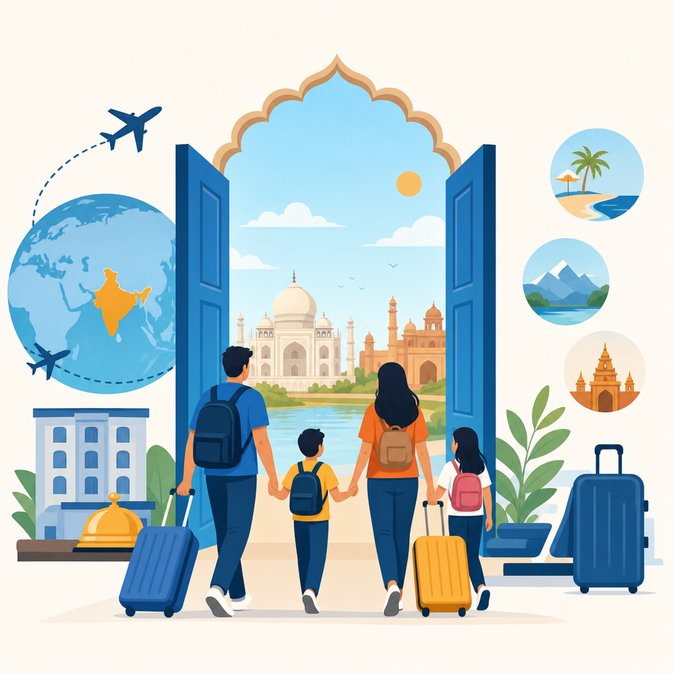
In a long-awaited move that effectively ends the last pandemic-era entry curb, the Government of India on 18 May reinstated every category of tourist visa that had remained suspended since March 2020. An official notification—posted on the Embassy of India in Berne and simultaneously circulated to missions worldwide—re-activates both pre-existing long-duration paper visas and fresh issuances of one-, 12- and 60-month e-Tourist visas. Holders of still-valid multiple-entry paper tourist visas can once again enter India without re-applying, while eligible nationalities may file new electronic applications through the Indian e-Visa portal. The restoration is a shot in the arm for inbound hospitality. Before COVID-19, India issued roughly 2.5 million tourist visas a year; by 2025 the number was still under one million as legacy paper visas remained useless and e-Tourist products were capped at one-month single entry. Hotel chains such as IHCL (Taj), Marriott and Oyo told industry association FHRAI that long-haul leisure groups from Europe and North America had been deferring winter-sun bookings until multi-year, multi-entry privileges returned. Airlines, too, expect booking curves to lengthen now that repeat travellers—think spiritual tourists, Ayurveda patients and visiting-friends-and-relatives (VFR) traffic—no longer face re-application for every trip.
![Government restores long-duration paper tourist visas and all e-Tourist visa options for India-bound travellers]()
For visitors who would rather outsource the bureaucracy, VisaHQ’s India desk (https://www.visahq.com/india/) offers end-to-end assistance—online application filing, document vetting and real-time status updates—for both e-Tourist and traditional paper visas, helping applicants avoid common errors and breeze through the revived process.
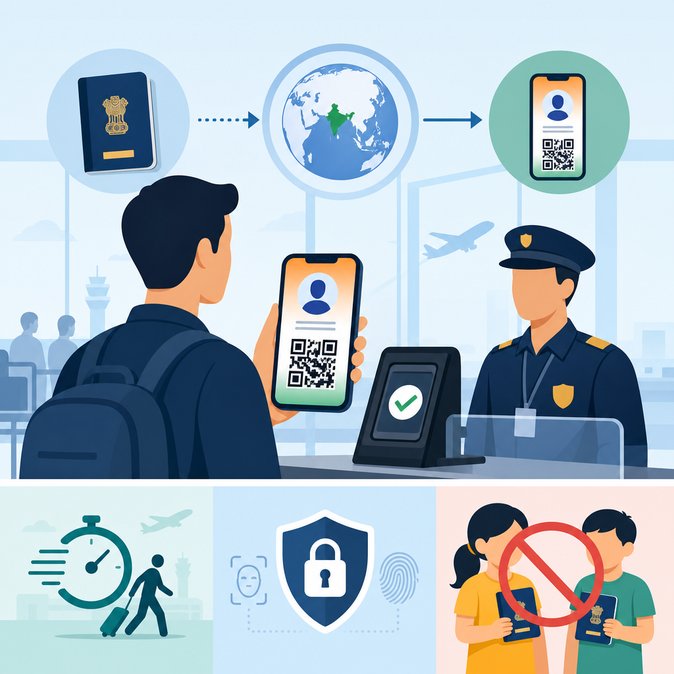
From a compliance standpoint, nothing else changes: biometric capture on arrival, the e-Arrival Card and FRRO overstay penalties all remain in force. But travel agents warn that pent-up demand could overwhelm the e-Visa portal in the first few weeks; they advise applicants to apply at least three weeks ahead until processing queues stabilise. Missions have also cautioned holders of decade-old paper visas to verify that their passport number and personal particulars are still identical; any mismatch will require a fresh application. The Ministry of Tourism plans a global marketing blitz around the slogan “India—Open Again, Open Always”, focusing on heritage circuits, wildlife and spiritual retreats. Industry watchers say the timing is strategic: finalisation of India’s new International Air Connectivity Scheme and Air India’s fleet renewal means 2027-28 seat capacity should reach record levels, giving the country a realistic chance of capturing a larger slice of post-pandemic long-haul demand. For corporate mobility teams the benefit is simplicity. Executives who combine business meetings with extended stopovers can now do so on a single five-year e-Tourist visa provided no remunerated activity is undertaken. Companies, however, must continue to ensure that employees on tourist status neither sign contracts nor receive Indian-source income—violations can still trigger blacklisting and fines.

For visitors who would rather outsource the bureaucracy, VisaHQ’s India desk (https://www.visahq.com/india/) offers end-to-end assistance—online application filing, document vetting and real-time status updates—for both e-Tourist and traditional paper visas, helping applicants avoid common errors and breeze through the revived process.
From a compliance standpoint, nothing else changes: biometric capture on arrival, the e-Arrival Card and FRRO overstay penalties all remain in force. But travel agents warn that pent-up demand could overwhelm the e-Visa portal in the first few weeks; they advise applicants to apply at least three weeks ahead until processing queues stabilise. Missions have also cautioned holders of decade-old paper visas to verify that their passport number and personal particulars are still identical; any mismatch will require a fresh application. The Ministry of Tourism plans a global marketing blitz around the slogan “India—Open Again, Open Always”, focusing on heritage circuits, wildlife and spiritual retreats. Industry watchers say the timing is strategic: finalisation of India’s new International Air Connectivity Scheme and Air India’s fleet renewal means 2027-28 seat capacity should reach record levels, giving the country a realistic chance of capturing a larger slice of post-pandemic long-haul demand. For corporate mobility teams the benefit is simplicity. Executives who combine business meetings with extended stopovers can now do so on a single five-year e-Tourist visa provided no remunerated activity is undertaken. Companies, however, must continue to ensure that employees on tourist status neither sign contracts nor receive Indian-source income—violations can still trigger blacklisting and fines.