Schengen’s promise of passport-free travel is giving way to a mosaic of internal border checks stretching from the North Sea to the Balkans. A VisaVerge analysis published on 12 May maps a series of notifications filed under the revised Schengen Borders Code: Germany will continue inspecting travellers on all nine of its land frontiers until at least 15 September 2026; Denmark, Norway and Poland launched new control periods the same day; and the Netherlands will add spot checks at intra-Schengen airports from 9 June. Berlin cites high irregular migration, people-smuggling and security threats linked to Russia’s war on Ukraine and Middle-East tensions.
![Patchwork of internal Schengen checks widens; Germany keeps controls until mid-September]()
For organisations trying to stay ahead of these fast-moving requirements, VisaHQ can streamline the process: the company’s Germany hub (https://www.visahq.com/germany/) provides up-to-date entry guidance, document checklists and dedicated corporate support so travellers know exactly what to carry and how to stay compliant when crossing newly policed borders.
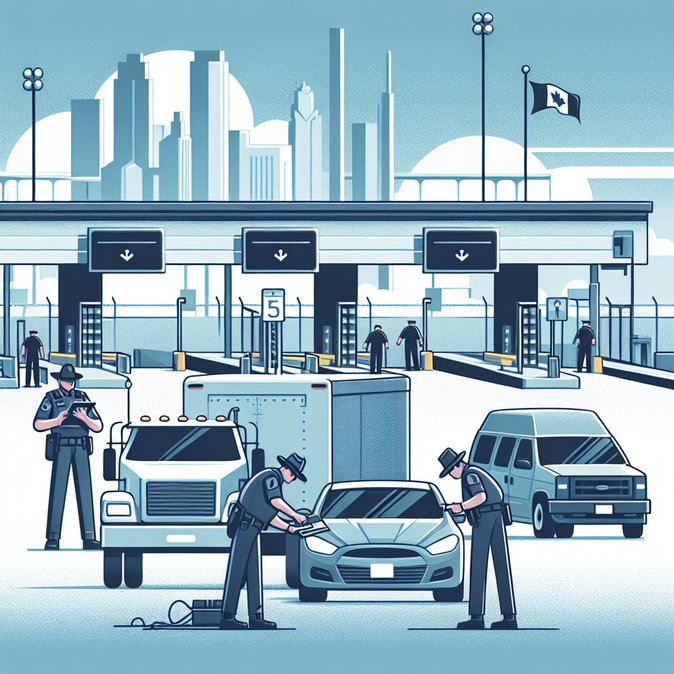
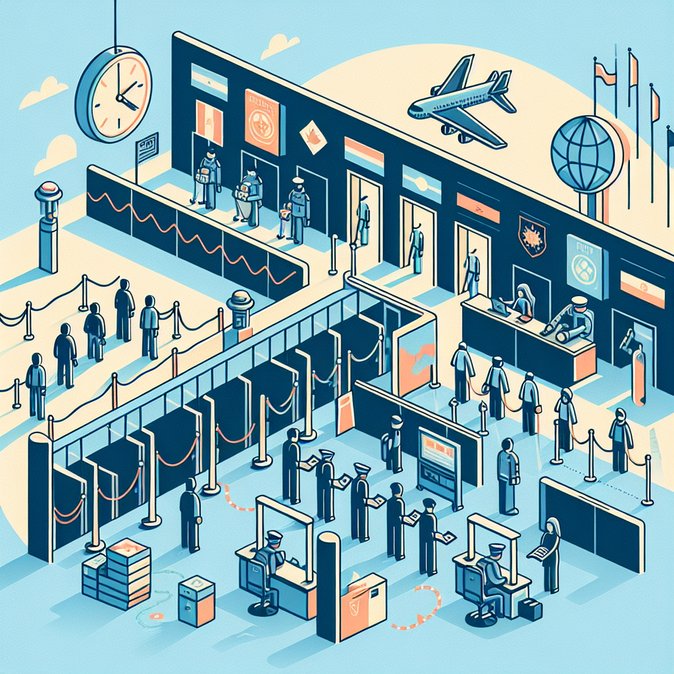
The controls mean motorists and coach passengers must carry IDs and expect random stops at crossings into France, Luxembourg, Belgium, the Netherlands, Denmark, Austria, Switzerland, the Czech Republic and Poland. Airlines operating “domestic” flights between Schengen capitals face occasional gate-checks as well. The timing collides with the full roll-out of the biometric Entry/Exit System (EES), which since March has logged more than 60 million movements and 4,000 overstays. For mobility managers the dual regime translates into longer buffer times for road deliveries, tighter document compliance for assignees commuting from neighbouring countries, and the need to brief travellers that “Schengen” no longer guarantees a frictionless trip. EU officials insist the measures are temporary yet accept that some form of targeted control has become semi-permanent since 2015. Businesses are advised to monitor national gazettes as extensions can be filed with as little as 24 hours’ notice. In the meantime, HR teams moving staff across the German border corridor should factor in up to 45 minutes’ delay during peak hours and keep contingency stock on critical supply routes.

For organisations trying to stay ahead of these fast-moving requirements, VisaHQ can streamline the process: the company’s Germany hub (https://www.visahq.com/germany/) provides up-to-date entry guidance, document checklists and dedicated corporate support so travellers know exactly what to carry and how to stay compliant when crossing newly policed borders.
The controls mean motorists and coach passengers must carry IDs and expect random stops at crossings into France, Luxembourg, Belgium, the Netherlands, Denmark, Austria, Switzerland, the Czech Republic and Poland. Airlines operating “domestic” flights between Schengen capitals face occasional gate-checks as well. The timing collides with the full roll-out of the biometric Entry/Exit System (EES), which since March has logged more than 60 million movements and 4,000 overstays. For mobility managers the dual regime translates into longer buffer times for road deliveries, tighter document compliance for assignees commuting from neighbouring countries, and the need to brief travellers that “Schengen” no longer guarantees a frictionless trip. EU officials insist the measures are temporary yet accept that some form of targeted control has become semi-permanent since 2015. Businesses are advised to monitor national gazettes as extensions can be filed with as little as 24 hours’ notice. In the meantime, HR teams moving staff across the German border corridor should factor in up to 45 minutes’ delay during peak hours and keep contingency stock on critical supply routes.