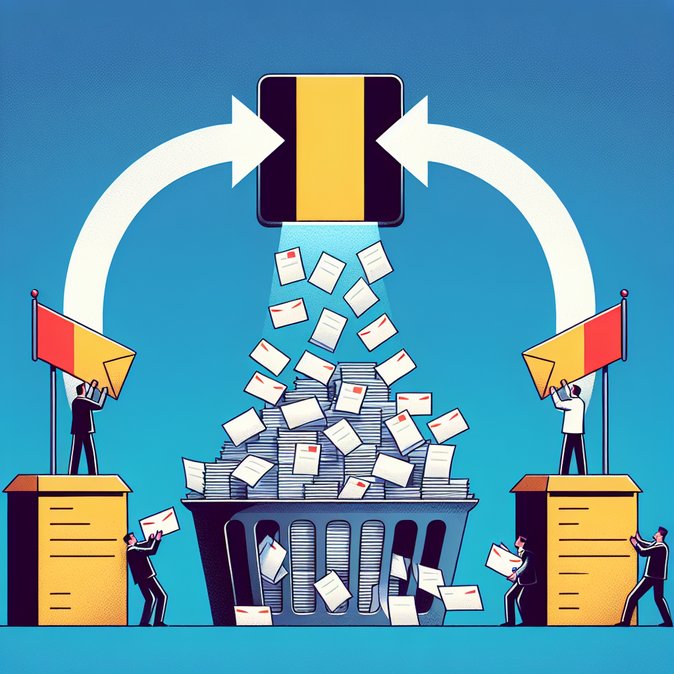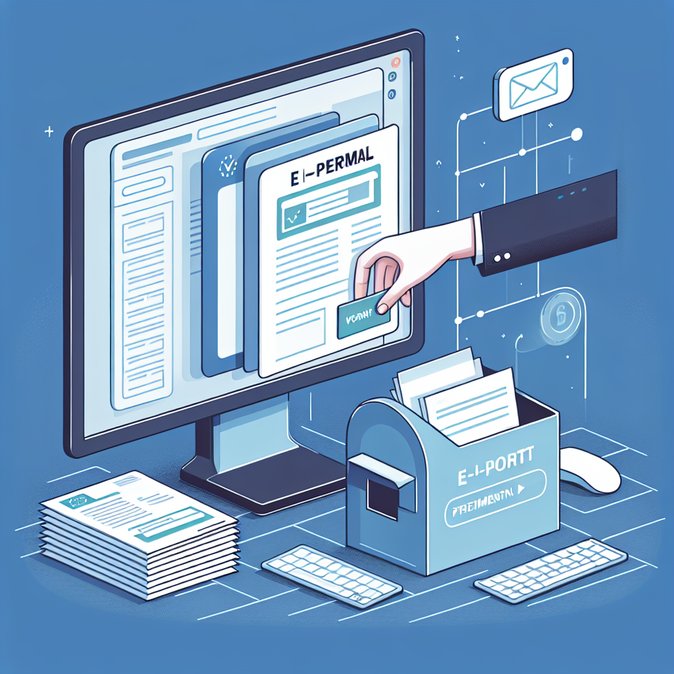
From 1 May 2026 every application for a Belgian ‘single permit’ (combined work-and-residence permit) or a stand-alone labour card must be filed online via the federal Working in Belgium portal. The change, confirmed on 7 May by employment-law advisers CLB Group, ends the long-standing practice of emailing PDFs to three different regional authorities. Under the new regime employers (or their immigration providers) log in with an eID, Itsme or EU-Login and upload supporting documents directly to the portal. The system then splits the file automatically: the regional migration service analyses the labour-market elements, while the Federal Immigration Office rules on the residence component. Applicants receive milestone notifications in their secure e-Box and can download the approval letter the moment both authorities sign off.
![Belgium makes all work-permit and single-permit filings 100 % digital]()
Whether you are tackling a single permit for the first time or managing hundreds of renewals, VisaHQ can help smooth the transition to Belgium’s new portal. Via its Belgium page (https://www.visahq.com/belgium/) the company offers document-check services, power-of-attorney templates and real-time tracking tools that slot neatly into corporate mobility workflows, reducing the risk of rejections and keeping key talent on schedule.
Because the federal law behind the portal is an “accord de coopération” between the federal state and Belgium’s three regions, the switch to compulsory e-filing applies nationwide. Only two categories—au-pair permits and permits for clerics—remain temporarily exempt and must still be emailed in Wallonia. All other paper or email filings received after 30 April are being rejected. For employers the immediate benefit is transparency: real-time status tracking replaces the traditional blackout period while dossiers sat in regional inboxes. The authorities are also promising shorter processing times once staff have transitioned fully to the new back-office interface. In the meantime companies are advised to factor in a learning curve, ensure that apostilled documents are scanned in colour at high resolution and, crucially, to submit complete files in a single upload—subsequent additions re-start the clock. Multinationals running high-volume assignment programmes should audit their workflows quickly. HR teams without Belgian eIDs will need to mandate a locally based representative, while global mobility providers should update power-of-attorney templates so they explicitly authorise digital filing. Failure to adapt could see key talent grounded just as the summer peak hiring season begins.

Whether you are tackling a single permit for the first time or managing hundreds of renewals, VisaHQ can help smooth the transition to Belgium’s new portal. Via its Belgium page (https://www.visahq.com/belgium/) the company offers document-check services, power-of-attorney templates and real-time tracking tools that slot neatly into corporate mobility workflows, reducing the risk of rejections and keeping key talent on schedule.
Because the federal law behind the portal is an “accord de coopération” between the federal state and Belgium’s three regions, the switch to compulsory e-filing applies nationwide. Only two categories—au-pair permits and permits for clerics—remain temporarily exempt and must still be emailed in Wallonia. All other paper or email filings received after 30 April are being rejected. For employers the immediate benefit is transparency: real-time status tracking replaces the traditional blackout period while dossiers sat in regional inboxes. The authorities are also promising shorter processing times once staff have transitioned fully to the new back-office interface. In the meantime companies are advised to factor in a learning curve, ensure that apostilled documents are scanned in colour at high resolution and, crucially, to submit complete files in a single upload—subsequent additions re-start the clock. Multinationals running high-volume assignment programmes should audit their workflows quickly. HR teams without Belgian eIDs will need to mandate a locally based representative, while global mobility providers should update power-of-attorney templates so they explicitly authorise digital filing. Failure to adapt could see key talent grounded just as the summer peak hiring season begins.