USCIS Puts Thousands of Immigration Cases on Hold as ‘Strengthened Screening & Vetting’ Kicks In
DHS Moves to Replace “Duration of Status” With 4-Year Admission Cap for F-1, J-1 and I Visa Holders
Fingerprint Re-Vetting Freeze Hits 11.6 Million Pending USCIS Cases
Latest News
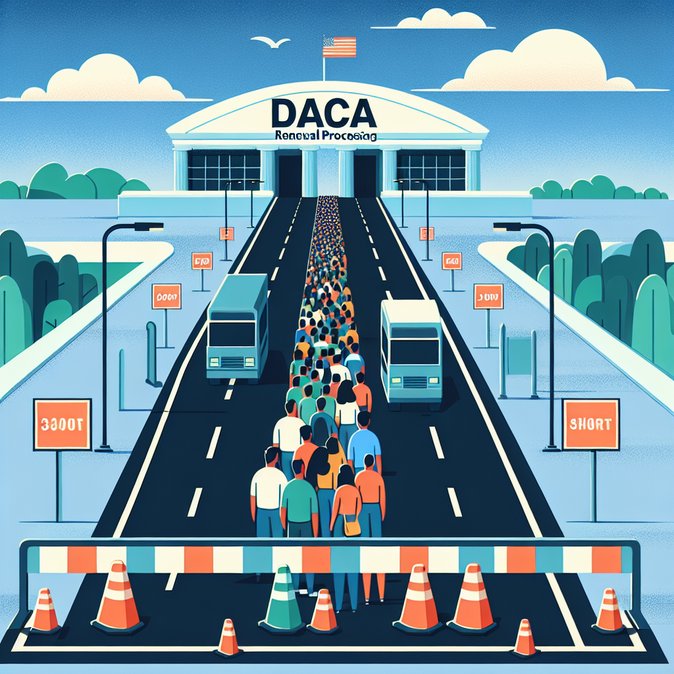
Enhanced Vetting Slows DACA Renewals to 122-Day Median, Putting 300,000 Recipients at Risk
USCIS has lengthened DACA renewal processing from a 15-day median to about 122 days by adding Operation PARRIS security checks and rerunning fingerprints through the FBI. Roughly 300,000 recipients risk gaps in work authorization and deportation protection, creating new compliance concerns for U.S. employers.
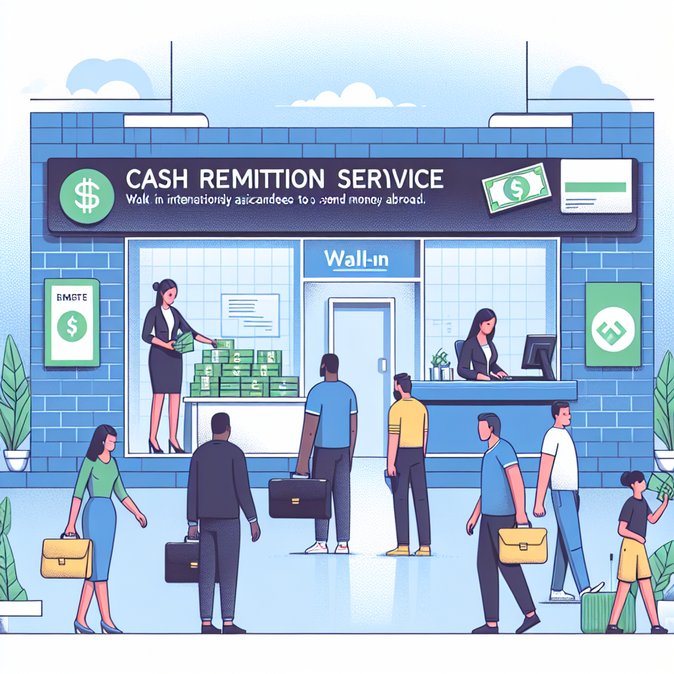
IRS Floats 1 % Remittance-Transfer Tax—Cash Payments Abroad to Cost More for Mobile Workers
Proposed IRS rules flesh out a 1 % tax on cash-funded money transfers abroad, effective for payments made after 31 December 2025. Digital and bank-funded transfers are exempt, placing the cost squarely on workers who still use walk-in cash remittance services—many of them international assignees and visa holders.

Visa-waiver backlog could force hundreds of foreign doctors to leave underserved U.S. communities
Hundreds of J-1 waiver applications for foreign physicians have been stuck at HHS since late 2025. Unless processed by 30 July, doctors finishing U.S. training will have to leave or trigger the new US$100,000 H-1B fee, threatening care in shortage areas. Employers should activate contingency staffing plans and escalate cases.

USCIS signals temporary hold on many domestic immigration filings as new vetting rules roll out
USCIS has begun re-screening pending green-card, naturalisation and asylum cases under a tougher security protocol, effectively putting many adjudications on hold. Employers should expect fresh biometrics requests and longer processing times, adjust travel planning for staff with pending cases, and watch for related State-Department visa-interview changes.

IRS proposes rules on 1 % remittance-transfer tax—potential surprise cost for mobile employees
New IRS regulations flesh out the 1 % excise tax on cash-funded remittances abroad. While banks and card-based transfers are exempt, assignees who wire cash to family overseas could pay the levy, and employers may need to adjust relocation cash-advance practices to avoid unintended costs.