Poland’s new EES border-control system logs 6.8 million crossings and 9,400 entry refusals in first month
Poland opens online applications for three-year ‘CUKR’ residence card for Ukrainians
Lufthansa cancels 20,000 flights; key Polish routes—including Katowice–Frankfurt—among the casualties
Latest News

Poland Opens Online Applications for 3-Year ‘CUKR’ Residence Cards for Ukrainians
From 4 May 2026, Ukrainians in Poland can apply on-line for a three-year CUKR residence card via the new MOS portal. The card transforms temporary-protection status into a full temporary-residence permit with free access to the labour market and Schengen travel rights, offering companies a stable legal basis to retain Ukrainian staff. Applications are 100 % digital, removing the need for in-person appointments and signalling Poland’s broader move toward paperless immigration.
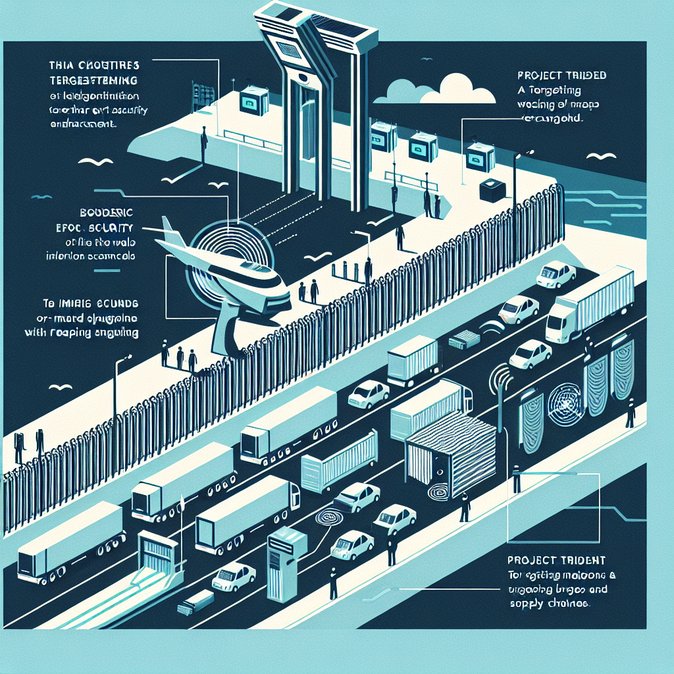
Interior Ministry Says Polish Borders Now ‘100 % Sealed’ and Launches Project TRIDENT
Poland’s interior ministry says new fencing, electronic barriers and biometric tech have made the country’s borders ‘fully sealed’. A related Project TRIDENT targets weapons smuggling, promising even tighter checks on eastern crossings. The measures enhance security but could lengthen processing times for business travellers and supply-chain flows.

Digital-Only Filing Now Mandatory for Employers Hiring Ukrainians, Rzeczpospolita Reminds
Business daily Rzeczpospolita warns employers that, effective immediately, all applications for Ukrainian employees’ new three-year CUKR residence cards must be filed electronically via MOS. The shift removes later work-permit steps but requires companies to help staff obtain trusted e-signatures and navigate the portal, or risk losing key talent when status-UKR ends in 2027.

Entry/Exit System Flags Moldovan Couple Travelling on False Identities at Medyka
Polish guards used the new EU Entry/Exit System to stop two Moldovan nationals travelling under assumed names on 3 May. The biometric hit linked them to an existing Schengen entry ban, leading to refusal of entry and criminal charges. The case shows EES’s growing effectiveness and signals stricter scrutiny for all non-EU travellers, including business visitors.

UdSC Warns: MOS Residence-Permit Filings Signed by Third Parties Will Be Treated as ‘Non-Existent’
Poland’s Office for Foreigners has clarified that MOS residence-permit applications must be e-signed personally by the foreign national (or legal guardian). If a third party signs, the filing is legally void and will not be processed, leaving the applicant without lawful stay. Global-mobility teams must equip employees with their own trusted e-signature to avoid compliance gaps.