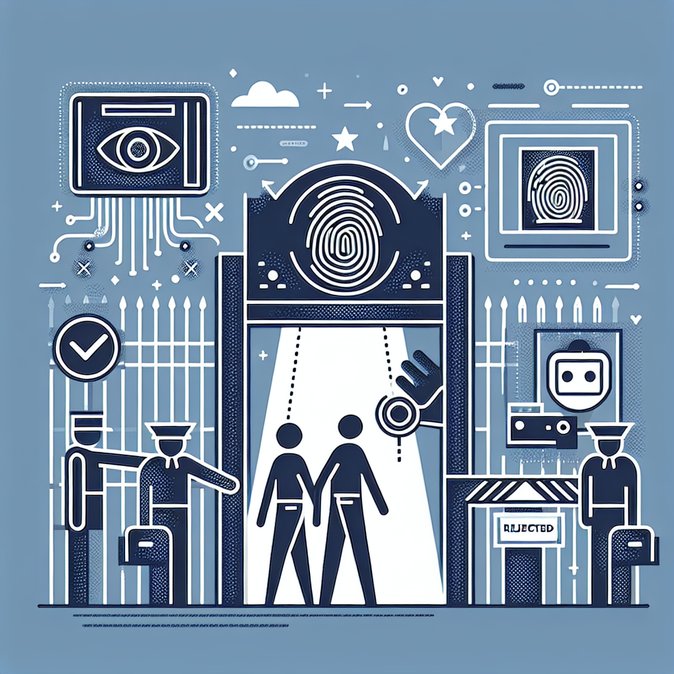
Poland’s new EU-wide Entry/Exit System (EES) scored another success on 3 May 2026 when border guards at Medyka stopped a 25-year-old woman and 29-year-old man from Moldova attempting to enter on forged identities. Biometric cross-checks revealed that both travellers had previously been listed in the Schengen Information System (SIS) under different surnames and were subject to an entry ban issued by Germany earlier this year. According to the Bieszczady Border Guard press release, the pair had first tried to reach the European Union through Romania but were refused entry. They then altered their passports and attempted to use Poland as a transit route to Germany.
![Entry/Exit System Flags Moldovan Couple Travelling on False Identities at Medyka]()
For organisations and individual travellers needing help navigating these tightening controls, VisaHQ’s Poland portal (https://www.visahq.com/poland/) offers clear, up-to-date guidance on Schengen visa requirements, document preparation and EES-related compliance, helping applicants minimise risks and keep journeys on schedule.
After an EES fingerprint scan exposed the mismatch, officers denied entry and initiated criminal proceedings for attempted illegal border crossing; the couple voluntarily returned to Ukraine pending trial. Since EES testing began in October 2025, the Bieszczady division has processed more than 2.7 million travellers, detecting five cases of identity fraud—all Moldovan nationals—highlighting the system’s growing deterrent value. For companies moving third-country contractors through Poland, the case underlines the importance of ensuring that staff pass biometric compliance checks and that any previous visa overstays in other Schengen states are disclosed. The incident also illustrates how the pan-European roll-out of EES is reshaping operational realities at land borders: each crossing now creates a permanent biometric profile, making identity-swap tactics far riskier. Business-traveller briefings should therefore stress the need for passport consistency and transparency about prior immigration history.

For organisations and individual travellers needing help navigating these tightening controls, VisaHQ’s Poland portal (https://www.visahq.com/poland/) offers clear, up-to-date guidance on Schengen visa requirements, document preparation and EES-related compliance, helping applicants minimise risks and keep journeys on schedule.
After an EES fingerprint scan exposed the mismatch, officers denied entry and initiated criminal proceedings for attempted illegal border crossing; the couple voluntarily returned to Ukraine pending trial. Since EES testing began in October 2025, the Bieszczady division has processed more than 2.7 million travellers, detecting five cases of identity fraud—all Moldovan nationals—highlighting the system’s growing deterrent value. For companies moving third-country contractors through Poland, the case underlines the importance of ensuring that staff pass biometric compliance checks and that any previous visa overstays in other Schengen states are disclosed. The incident also illustrates how the pan-European roll-out of EES is reshaping operational realities at land borders: each crossing now creates a permanent biometric profile, making identity-swap tactics far riskier. Business-traveller briefings should therefore stress the need for passport consistency and transparency about prior immigration history.