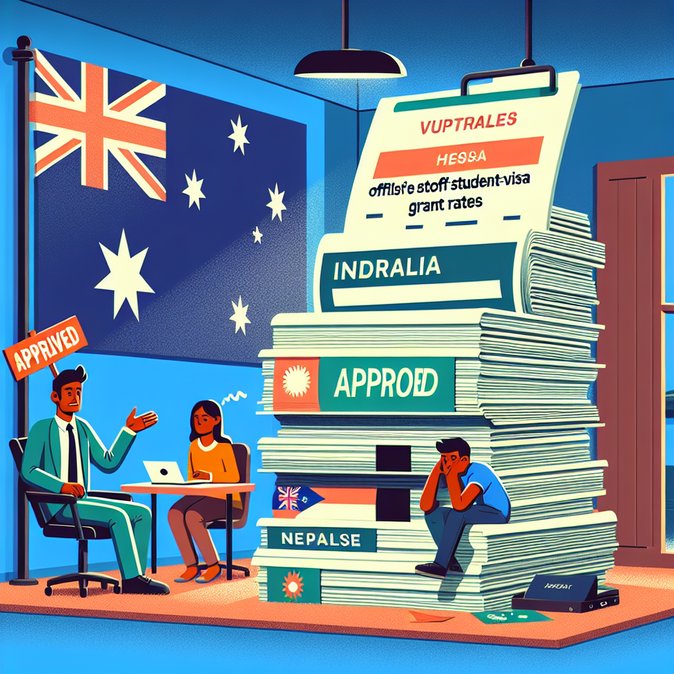
Investigative outlet Migrant Times has calculated that Australia pocketed almost A$10 million in non-refundable application charges from offshore higher-education student-visa refusals in March 2026. Using Home Affairs datasets updated on 30 April and the current A$2,000 Visa Application Charge (VAC), Times Higher Education analysts estimated that 4,800 applications were refused that month. The windfall underscores how successive VAC hikes—first from A$710 to A$1,600 in 2024 and again to A$2,000 in 2025—have effectively made student-visa applicants subsidise migration and education reforms.
![Rejected visa fees net Canberra A$10 million in a single month]()
For prospective students who still wish to lodge a strong application despite these headwinds, VisaHQ offers a way to pre-check eligibility, organise documents and monitor live policy changes before committing to the non-refundable VAC. Its portal at https://www.visahq.com/australia/ aggregates the latest visa requirements and fee schedules, helping applicants reduce the risk of refusal and unnecessary expense.
While the fees help fund integrity measures, critics say they also penalise genuine students caught up in blanket refusals. Universities facing revenue squeezes argue that non-refundable fees distort market signals: applicants may gamble on weak submissions because the sunk cost is viewed as unavoidable. Education agents counter that raising VACs without improving processing transparency erodes Australia’s attractiveness relative to Canada and the UK. From a mobility perspective, corporates that use student-to-graduate-visa pathways to source junior talent should factor higher upfront costs and potential attrition into sponsorship budgets. Stakeholders are urging the government to ring-fence a portion of refusal-generated revenue for independent appeals and compliance audits, to reassure bona-fide students that the system remains fair.

For prospective students who still wish to lodge a strong application despite these headwinds, VisaHQ offers a way to pre-check eligibility, organise documents and monitor live policy changes before committing to the non-refundable VAC. Its portal at https://www.visahq.com/australia/ aggregates the latest visa requirements and fee schedules, helping applicants reduce the risk of refusal and unnecessary expense.
While the fees help fund integrity measures, critics say they also penalise genuine students caught up in blanket refusals. Universities facing revenue squeezes argue that non-refundable fees distort market signals: applicants may gamble on weak submissions because the sunk cost is viewed as unavoidable. Education agents counter that raising VACs without improving processing transparency erodes Australia’s attractiveness relative to Canada and the UK. From a mobility perspective, corporates that use student-to-graduate-visa pathways to source junior talent should factor higher upfront costs and potential attrition into sponsorship budgets. Stakeholders are urging the government to ring-fence a portion of refusal-generated revenue for independent appeals and compliance audits, to reassure bona-fide students that the system remains fair.