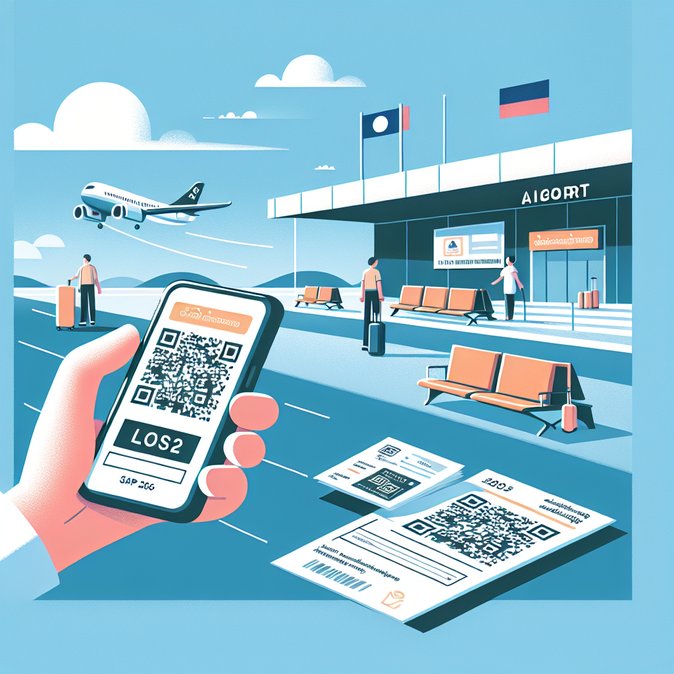
A heads-up for U.S. citizens planning post-summer travel to Southeast Asia: as of January 1 2026, Laos will scrap paper arrival and departure cards at every international checkpoint and require completion of the Lao Digital Immigration Form (LDIF) within 72 hours of each entry and exit. The system is already live at four pilot locations, including Vientiane’s Wattay and Luang Prabang airports. Travelers must upload passport data, flight details and accommodation addresses to the online portal, then present a QR code—printed or on a mobile device—to immigration officers. The code expires after three days; submit too early and the system rejects the application, submit too late and you risk denial of boarding. The LDIF does not replace visas. U.S. nationals still need either an e-Visa or a visa on arrival (USD 40).
![Laos makes digital immigration form mandatory—US travelers must add pre-departure step]()
Need a hand cutting through the red tape? VisaHQ’s online platform can manage both the Laos e-Visa and the new LDIF in one go. Start at https://www.visahq.com/united-states/ upload your passport and itinerary, and the service will generate the required QR code, monitor the 72-hour window, and send you deadline reminders—so you can board worry-free.
Airlines have begun compliance checks at check-in, and reports from the pilot airports show that passengers missing the code are funneled to manual processing lanes that add 30–45 minutes. Business-travel managers should update trip-preparation checklists and consider adding LDIF submission to corporate travel-booking workflows, alongside Thailand’s TM6 replacement and Vietnam’s new e-arrival card. Frequent multi-entry travelers must remember that every exit also requires a fresh LDIF submission. Laos joins Thailand and Vietnam in digitizing border formalities, part of a regional push that is gradually replacing passport stamps and paper cards with QR-based systems. The upside is faster processing for prepared travelers; the downside is one more deadline to miss.

Need a hand cutting through the red tape? VisaHQ’s online platform can manage both the Laos e-Visa and the new LDIF in one go. Start at https://www.visahq.com/united-states/ upload your passport and itinerary, and the service will generate the required QR code, monitor the 72-hour window, and send you deadline reminders—so you can board worry-free.
Airlines have begun compliance checks at check-in, and reports from the pilot airports show that passengers missing the code are funneled to manual processing lanes that add 30–45 minutes. Business-travel managers should update trip-preparation checklists and consider adding LDIF submission to corporate travel-booking workflows, alongside Thailand’s TM6 replacement and Vietnam’s new e-arrival card. Frequent multi-entry travelers must remember that every exit also requires a fresh LDIF submission. Laos joins Thailand and Vietnam in digitizing border formalities, part of a regional push that is gradually replacing passport stamps and paper cards with QR-based systems. The upside is faster processing for prepared travelers; the downside is one more deadline to miss.