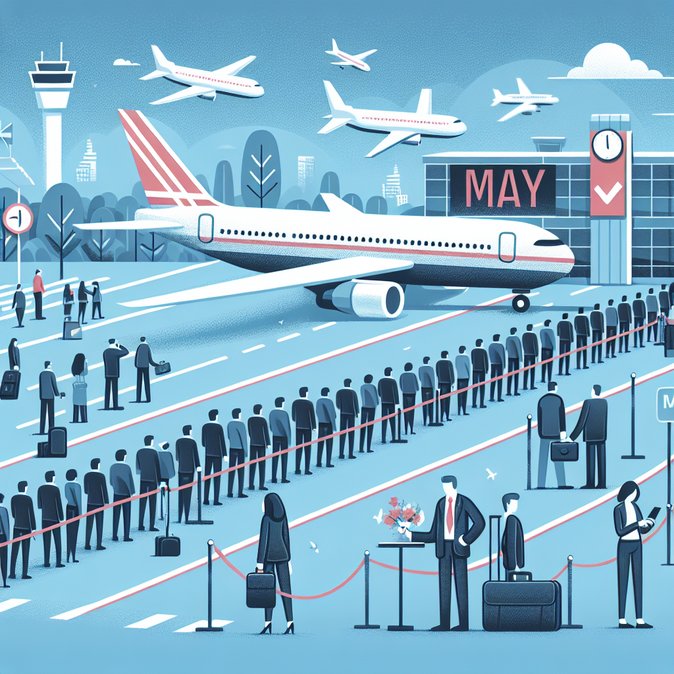
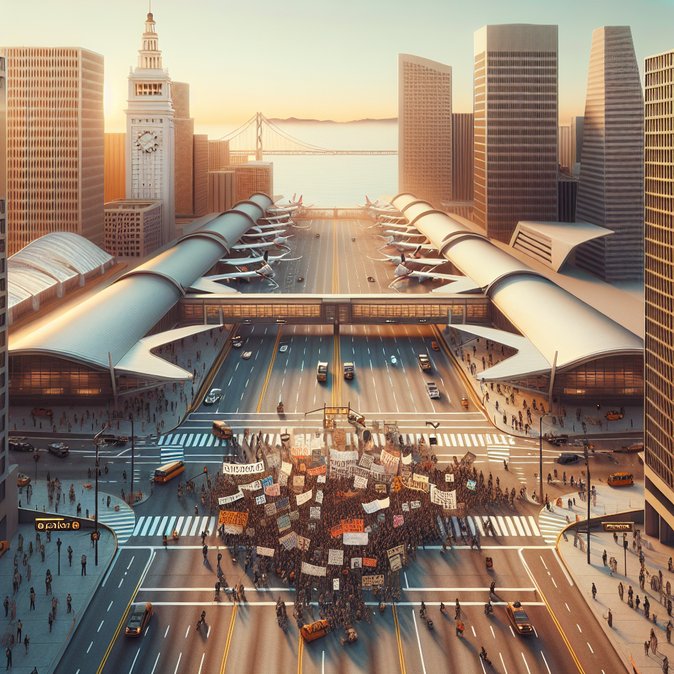
International travelers passing through San Francisco International Airport (SFO) and Oakland International (OAK) faced unexpected gridlock on May 1 as hundreds of May Day demonstrators blocked terminal roadways for nearly two hours. The “ICE Out of SFO” rally—backed by labor unions and immigrant-rights groups—demanded an end to deportation flights and better working conditions for airport service staff. At SFO, protestors spilled onto the departures ramp of the International Terminal between 11 a.m. and 1 p.m., forcing police to divert drop-offs to the arrivals level and triggering airline alerts about potential check-in delays. Twenty-five people, including two San Francisco supervisors and a state senator, were cited for impeding traffic. Across the bay, a sister march disrupted Airport Drive at OAK, delaying shuttle buses and flight-crew transfers. While no flights were cancelled, airlines report missed connections for transit passengers and extra overtime costs to reposition crews. Corporate travel managers with critical engineering teams headed to Asia had to rebook itineraries and invoke “trip delay” provisions in travel insurance policies.
![May Day Airport Protests Snarl International Departures at SFO and OAK]()
For travelers scrambling to adjust departure dates or reroute through different hubs, VisaHQ’s expedited visa and passport services (https://www.visahq.com/united-states/) can eliminate an additional layer of stress by renewing or securing travel documents online in as little as a single business day—helping ensure that last-minute schedule changes caused by airport disruptions don’t snowball into paperwork headaches.
The incident highlights a growing tactic: targeting airport choke points to amplify immigration and labor grievances, with spill-over effects on time-sensitive business travel. Airport officials say they will review perimeter-security protocols ahead of the summer peak, and carriers are urging the City of San Francisco to designate protected protest zones away from curbside lanes. Mobility planners should monitor local protest calendars—especially around Labor Day and election-year events—and build slack into connection times through Bay Area airports. For companies with global assignment programs, the episode underscores the importance of real-time traveler-tracking tools and contingency planning that includes rideshare vouchers, lounge passes, and last-minute hotel blocks when surface-access disruptions, rather than airside issues, threaten itineraries.
For travelers scrambling to adjust departure dates or reroute through different hubs, VisaHQ’s expedited visa and passport services (https://www.visahq.com/united-states/) can eliminate an additional layer of stress by renewing or securing travel documents online in as little as a single business day—helping ensure that last-minute schedule changes caused by airport disruptions don’t snowball into paperwork headaches.
The incident highlights a growing tactic: targeting airport choke points to amplify immigration and labor grievances, with spill-over effects on time-sensitive business travel. Airport officials say they will review perimeter-security protocols ahead of the summer peak, and carriers are urging the City of San Francisco to designate protected protest zones away from curbside lanes. Mobility planners should monitor local protest calendars—especially around Labor Day and election-year events—and build slack into connection times through Bay Area airports. For companies with global assignment programs, the episode underscores the importance of real-time traveler-tracking tools and contingency planning that includes rideshare vouchers, lounge passes, and last-minute hotel blocks when surface-access disruptions, rather than airside issues, threaten itineraries.