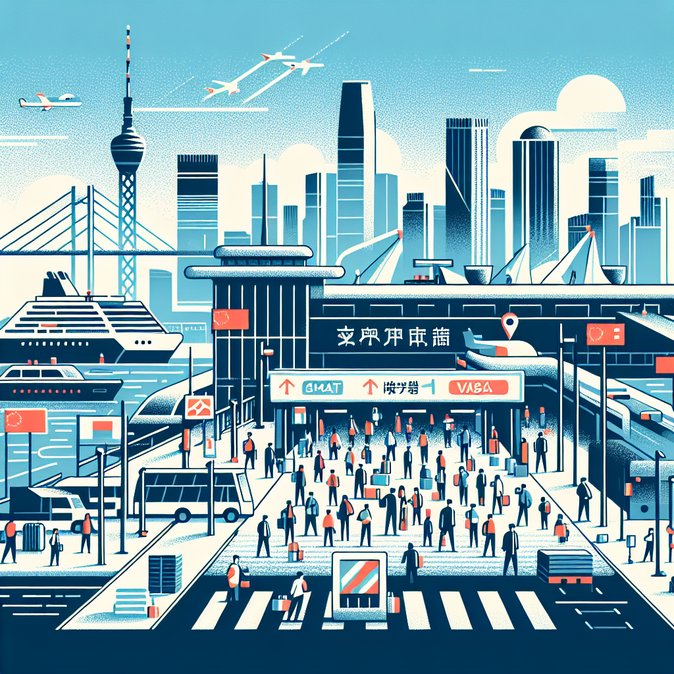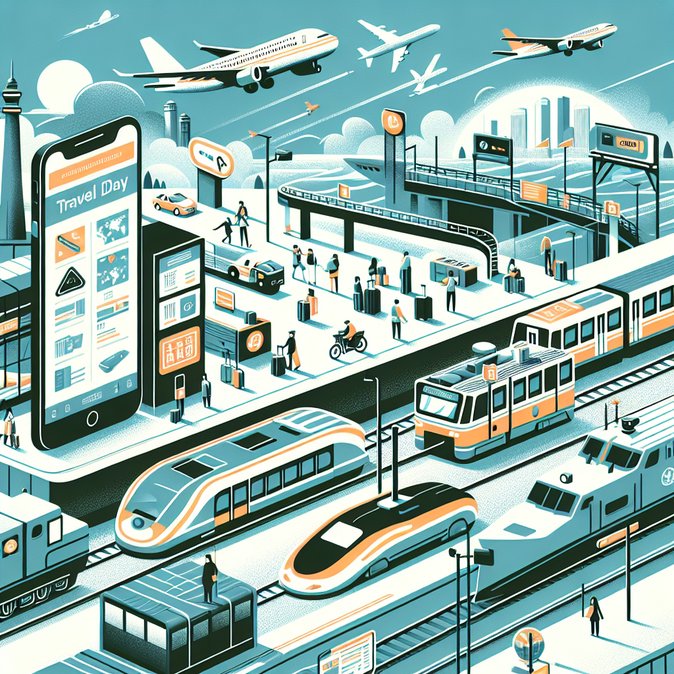
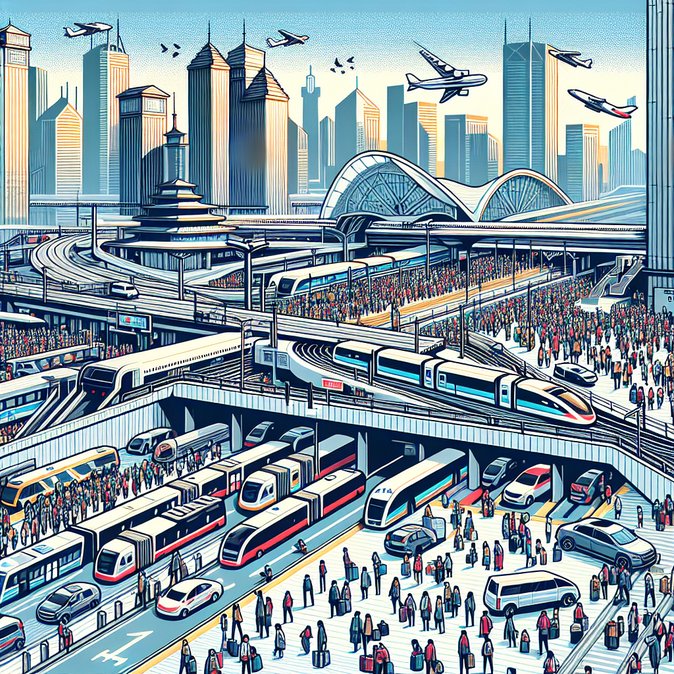
Xinhua data carried by People’s Daily Online show that mainland China’s integrated transport network – rail, air, road and sea – experienced its heaviest load of the year on 1 May, the first day of the Labour-Day public holiday. State railway operator China State Railway Group reported 24.8 million trips in a single day, smashing last year’s record. Airports from Beijing to Kunming added over 1,600 extra flights, while coastal cities such as Yantai deployed roll-on/roll-off ferries around the clock to clear vehicle backlogs. Border facilities also felt the pressure. Qingdao Jiaodong International Airport, spotlighted in official photos, ran additional immigration desks and mobile e-gate trucks to handle outbound tour groups heading to Seoul and Tokyo.
![China’s Transport System Handles Record Passenger Volumes on May-Day Kick-Off]()
For corporate travel coordinators looking to stay ahead of shifting entry and transit rules, VisaHQ can streamline the paperwork and flag real-time regulatory changes. Its China portal (https://www.visahq.com/china/) consolidates visa options, tracks processing times, and offers courier services, ensuring staff move smoothly even when holiday crowds strain the system.
The National Immigration Administration reaffirmed its estimate of 2.4 million daily cross-border movements nationwide during the five-day break. For corporate mobility planners the implications are immediate: domestic connections used to reach secondary manufacturing centres may face cascading delays when holiday peaks collide with typhoon season later this summer. Firms with fly-in-fly-out maintenance crews should build 24-hour schedule buffers when projects fall near public holidays. The surge also provides an early stress-test for China’s upgraded digital-ticketing platform, which now requires foreign travellers to verify passports through the ‘12306’ mobile app before boarding high-speed trains. Early anecdotal reports suggest smoother onboarding but continued hiccups when overseas credit cards are used for payment – an issue payroll departments should note when reimbursing staff. Finally, the data reinforce a trend towards multimodal itineraries. With discounted “rail-fly” through-tickets linking bullet-train services to 28 airports, assignees can increasingly bypass Beijing and Shanghai hubs for point-to-point journeys, easing visa-free transit choke-points. Mobility teams should map these new flows to optimise door-to-door travel time and costs.
For corporate travel coordinators looking to stay ahead of shifting entry and transit rules, VisaHQ can streamline the paperwork and flag real-time regulatory changes. Its China portal (https://www.visahq.com/china/) consolidates visa options, tracks processing times, and offers courier services, ensuring staff move smoothly even when holiday crowds strain the system.
The National Immigration Administration reaffirmed its estimate of 2.4 million daily cross-border movements nationwide during the five-day break. For corporate mobility planners the implications are immediate: domestic connections used to reach secondary manufacturing centres may face cascading delays when holiday peaks collide with typhoon season later this summer. Firms with fly-in-fly-out maintenance crews should build 24-hour schedule buffers when projects fall near public holidays. The surge also provides an early stress-test for China’s upgraded digital-ticketing platform, which now requires foreign travellers to verify passports through the ‘12306’ mobile app before boarding high-speed trains. Early anecdotal reports suggest smoother onboarding but continued hiccups when overseas credit cards are used for payment – an issue payroll departments should note when reimbursing staff. Finally, the data reinforce a trend towards multimodal itineraries. With discounted “rail-fly” through-tickets linking bullet-train services to 28 airports, assignees can increasingly bypass Beijing and Shanghai hubs for point-to-point journeys, easing visa-free transit choke-points. Mobility teams should map these new flows to optimise door-to-door travel time and costs.