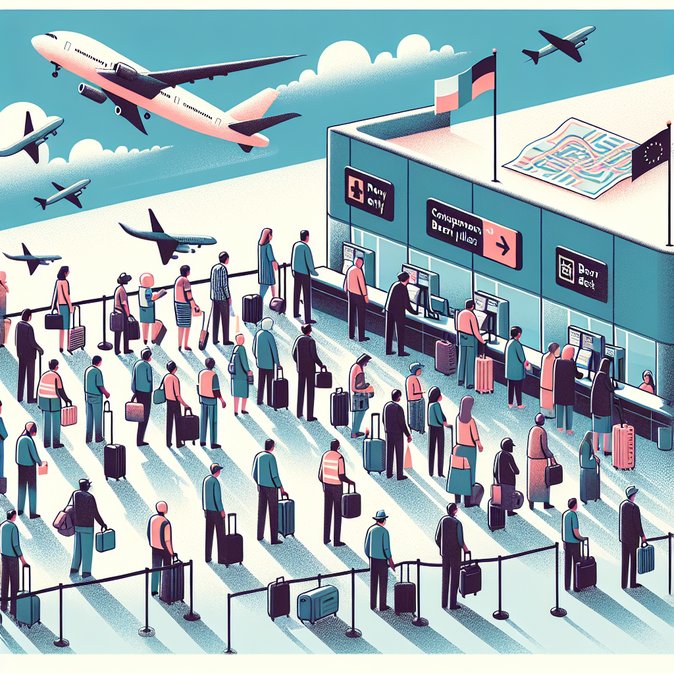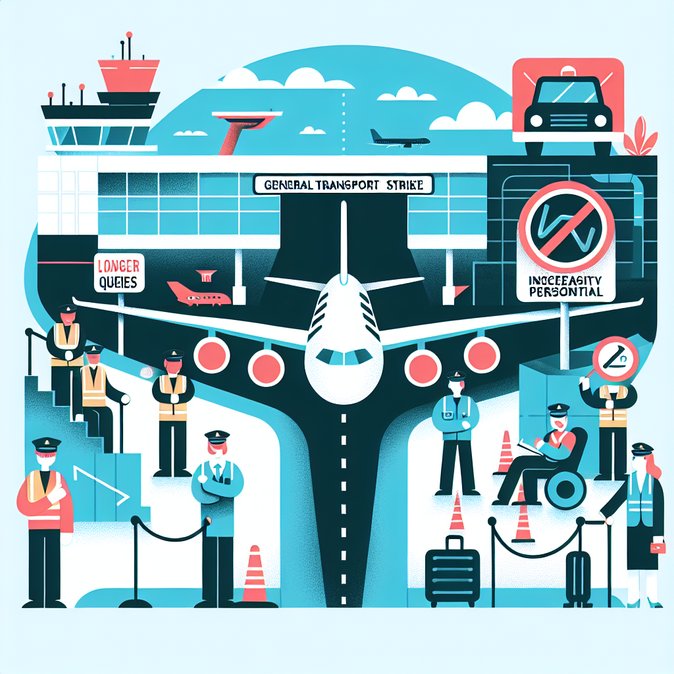
Italy’s traditional Labour Day has begun with a 24-hour general strike that is rippling across the country’s transport network and, in particular, its aviation hubs. Unions representing both public- and private-sector workers chose the symbolic date to press demands for higher wages and stronger workplace protections under the slogan “Abbassare le armi, alzare i salari” (“Lower the weapons, raise the wages”). Although local buses, metros and railways will feel the knock-on effects during the day, global mobility managers are most concerned about the impact on air travel. Air-traffic-control staff at ENAV’s Rome Area Control Centre, along with airport-security contractors at Fiumicino and Ciampino, have scheduled staggered walk-outs lasting between four and eight hours. Airlines have warned of cascading delays and potential cancellations on routes to and from central Italy and advised passengers to arrive at least three hours early for all flights. EasyJet pilots and cabin crew are also staging an eight-hour stoppage, adding further complexity to airline re-routing plans. Corporate-travel teams with personnel moving through Rome, Milan or Florence today are activating contingency policies: placing travellers on earlier trains where possible, booking day-use hotel rooms inside terminals for lengthy layovers and alerting risk-management providers to track employee movements. Companies with tight project deadlines are weighing the cost of last-minute ticket changes against the risk of missed client meetings.
![May 1st General Strike Disrupts Italian Airports and Business Travel]()
For businesses and travellers trying to stay one step ahead of such disruptions, VisaHQ can be an invaluable partner. Through its Italy-dedicated portal (https://www.visahq.com/italy/), the platform provides up-to-date information on entry rules, work-permit options and consular appointment availability, helping mobility teams secure the right documents quickly when itineraries have to change at the last minute.
The strike is only the first in a month-long wave of Italian transport stoppages covering schools (6-7 May), ports (7 May) and national road-haulage (25-29 May). Business-immigration advisers warn that visa pick-ups and in-country permit conversions could also be delayed if civil-service counters face staff shortages. Employers are therefore urged to build additional lead time into assignment start-dates and to monitor union notices daily. From a policy perspective, May’s strike calendar underscores the growing tension between tight labour markets and inflation-hit households. Whether today’s protests galvanise political momentum for Italy’s pending “salario giusto” (fair-wage) legislation will be watched closely by multinationals planning head-count expansion in 2026.

For businesses and travellers trying to stay one step ahead of such disruptions, VisaHQ can be an invaluable partner. Through its Italy-dedicated portal (https://www.visahq.com/italy/), the platform provides up-to-date information on entry rules, work-permit options and consular appointment availability, helping mobility teams secure the right documents quickly when itineraries have to change at the last minute.
The strike is only the first in a month-long wave of Italian transport stoppages covering schools (6-7 May), ports (7 May) and national road-haulage (25-29 May). Business-immigration advisers warn that visa pick-ups and in-country permit conversions could also be delayed if civil-service counters face staff shortages. Employers are therefore urged to build additional lead time into assignment start-dates and to monitor union notices daily. From a policy perspective, May’s strike calendar underscores the growing tension between tight labour markets and inflation-hit households. Whether today’s protests galvanise political momentum for Italy’s pending “salario giusto” (fair-wage) legislation will be watched closely by multinationals planning head-count expansion in 2026.