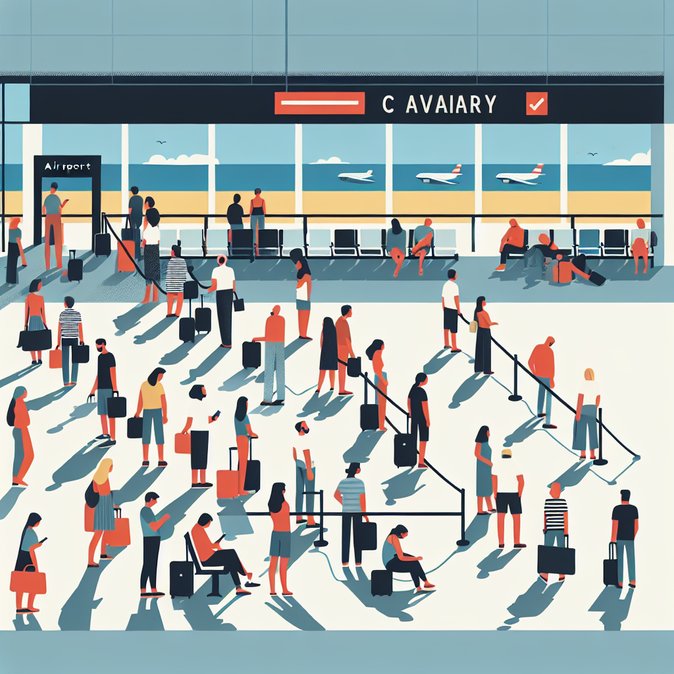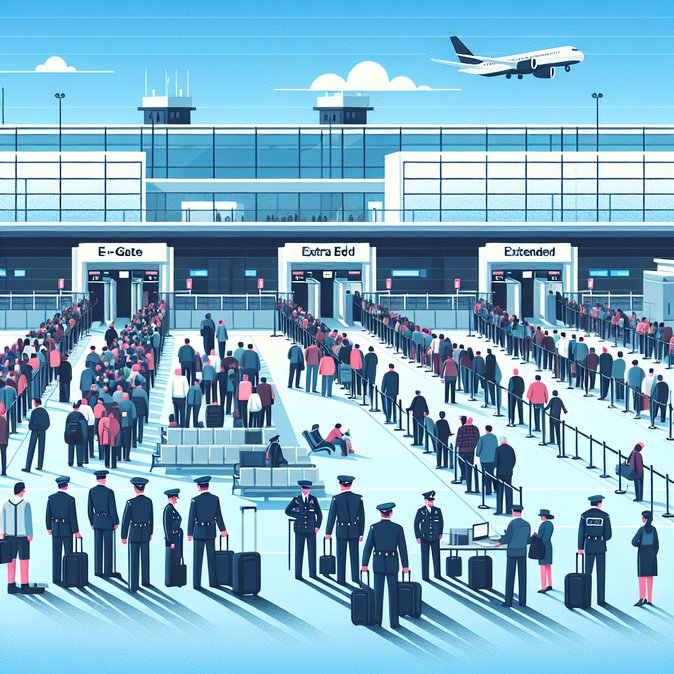
Low-cost carrier Ryanair on 30 April sent letters to the governments of all 29 Schengen-area states—Spain included—calling for an immediate suspension of the European Union’s Entry/Exit System (EES) until after the summer. The airline says three-hour queues at Spanish airports such as Palma de Mallorca, Málaga and Madrid-Barajas caused hundreds of passengers to miss flights over the Easter peak and fears the upcoming May bank-holiday weekend will be worse. The EES, fully operational since 10 April 2026, replaces passport stamping with biometric scans for non-EU travellers. While designed to speed up repeat crossings, the roll-out has been hampered by technical glitches and a shortage of staffed kiosks—problems felt acutely in Spain, Europe’s second-busiest tourist destination. Ryanair argues that suspending the system until 30 September would avoid “chaos” during peak holiday season and give border authorities time to install additional e-gates and recruit personnel.
![Ryanair urges EU to suspend new biometric border system as airport queues grow]()
For travellers who want to stay ahead of Spain’s shifting border formalities, VisaHQ can help streamline the paperwork and keep you informed of EES-related updates. Its online portal (https://www.visahq.com/spain/) offers step-by-step visa processing, real-time regulatory alerts and dedicated support—services that can save both leisure visitors and corporate mobility teams valuable time when navigating Spain’s busy airports.
Spain’s Interior Ministry said it is “analysing” the request but underlined that EES is mandated by EU regulation and can only be paused under exceptional circumstances, such as serious operational failures. Nevertheless, Madrid confirms that airport operator Aena has diverted €45 million to hire 500 extra border-police officers and expand holding areas at Barcelona-El Prat and Alicante this summer. The ministry is also working with the UK Border Force on advance-data pilots to pre-clear British passengers, who make up a large share of those affected. Travel-risk consultants advise corporate travellers to arrive at Spanish airports at least three hours before departure if they hold non-EU passports, and to ensure biometric data are captured accurately at the first crossing to minimise repeat delays. Employers should brief staff on potential missed-connection scenarios and review Duty-of-Care policies covering accommodation and alternative routing. Global-mobility teams may wish to consider booking premium-lane services at Madrid and Barcelona, where fast-track passes are now accepted at the new EES kiosks. Although Ryanair’s demand may not succeed, the public pressure adds to political scrutiny around EES implementation. The European Commission said it is monitoring Spain, Portugal and Greece for compliance with queue-time thresholds and could authorise temporary derogations if delays threaten public safety. Companies moving talent through Spanish hubs this summer should therefore anticipate possible last-minute procedural changes—and build extra transit time into itineraries.

For travellers who want to stay ahead of Spain’s shifting border formalities, VisaHQ can help streamline the paperwork and keep you informed of EES-related updates. Its online portal (https://www.visahq.com/spain/) offers step-by-step visa processing, real-time regulatory alerts and dedicated support—services that can save both leisure visitors and corporate mobility teams valuable time when navigating Spain’s busy airports.
Spain’s Interior Ministry said it is “analysing” the request but underlined that EES is mandated by EU regulation and can only be paused under exceptional circumstances, such as serious operational failures. Nevertheless, Madrid confirms that airport operator Aena has diverted €45 million to hire 500 extra border-police officers and expand holding areas at Barcelona-El Prat and Alicante this summer. The ministry is also working with the UK Border Force on advance-data pilots to pre-clear British passengers, who make up a large share of those affected. Travel-risk consultants advise corporate travellers to arrive at Spanish airports at least three hours before departure if they hold non-EU passports, and to ensure biometric data are captured accurately at the first crossing to minimise repeat delays. Employers should brief staff on potential missed-connection scenarios and review Duty-of-Care policies covering accommodation and alternative routing. Global-mobility teams may wish to consider booking premium-lane services at Madrid and Barcelona, where fast-track passes are now accepted at the new EES kiosks. Although Ryanair’s demand may not succeed, the public pressure adds to political scrutiny around EES implementation. The European Commission said it is monitoring Spain, Portugal and Greece for compliance with queue-time thresholds and could authorise temporary derogations if delays threaten public safety. Companies moving talent through Spanish hubs this summer should therefore anticipate possible last-minute procedural changes—and build extra transit time into itineraries.