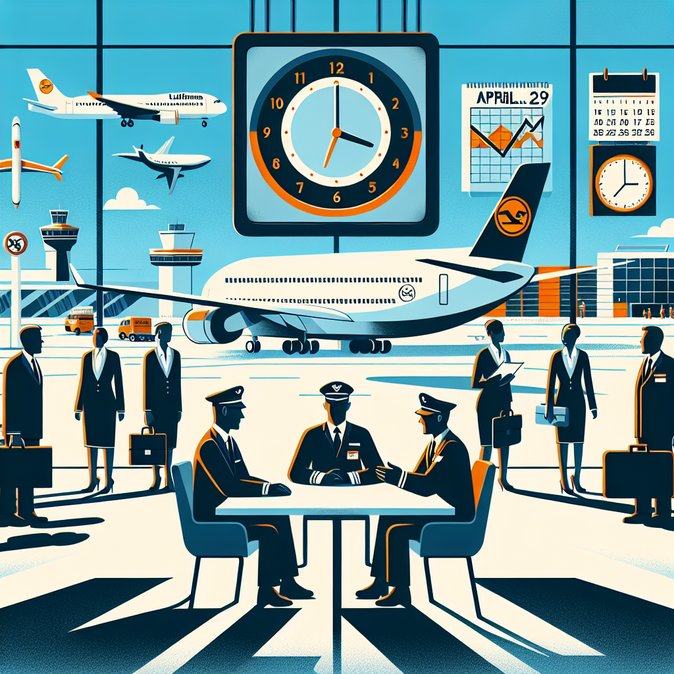
After weeks of disruptive walkouts, Deutsche Lufthansa AG and the cabin-crew union UFO have agreed to an externally moderated dialogue aimed at rebuilding trust before detailed wage talks resume. Announced on 29 April, the process will be facilitated by a yet-to-be-named mediator and will focus first on ‘collaboration culture’ rather than pay scales.
The détente follows three rolling strikes in April that forced Lufthansa to cancel more than 1,200 flights and prompted the abrupt shutdown of regional subsidiary CityLine. Tens of thousands of passengers were re-routed or stranded, and travel-management companies estimate that German corporates incurred over €9 million in extra hotel and re-ticketing costs.
Labour experts are sceptical that a relationship-building phase alone can unblock hardened positions: UFO wants a new framework collective agreement and a social plan for 1,300 displaced CityLine staff, while management insists any pay rise must be offset by productivity gains.
Nevertheless, the move buys both sides breathing space ahead of the airline’s annual general meeting on 12 May, where institutional investors have signalled they will press for industrial-relations stability.
![Lufthansa and Cabin Crew Union Agree to Externally Mediated Dialogue]()
For corporate mobility managers the news is cautiously positive. Lufthansa has suspended plans for further cabin-crew strikes until at least mid-June, reducing short-term disruption on key business routes out of Frankfurt and Munich.
Should upcoming travel plans require last-minute adjustments or alternative routings, VisaHQ can streamline the paperwork side by securing Schengen visas and other travel documents online. Their Germany portal (https://www.visahq.com/germany/) offers quick processing, status tracking, and expert guidance—valuable insurance for corporates that might need to redeploy staff through other EU hubs if Lufthansa’s schedule wobbles again.
Travellers should still expect occasional cancellations linked to the broader capacity cuts triggered by the fuel crisis (see separate story).
Longer term, the mediated process could set a precedent for handling labour disputes across the wider Lufthansa Group, whose multi-brand network is critical to Germany’s export economy.
Success would also strengthen Germany’s credibility as a business-travel hub amid growing competition from Paris CDG and Istanbul.
The détente follows three rolling strikes in April that forced Lufthansa to cancel more than 1,200 flights and prompted the abrupt shutdown of regional subsidiary CityLine. Tens of thousands of passengers were re-routed or stranded, and travel-management companies estimate that German corporates incurred over €9 million in extra hotel and re-ticketing costs.
Labour experts are sceptical that a relationship-building phase alone can unblock hardened positions: UFO wants a new framework collective agreement and a social plan for 1,300 displaced CityLine staff, while management insists any pay rise must be offset by productivity gains.
Nevertheless, the move buys both sides breathing space ahead of the airline’s annual general meeting on 12 May, where institutional investors have signalled they will press for industrial-relations stability.

For corporate mobility managers the news is cautiously positive. Lufthansa has suspended plans for further cabin-crew strikes until at least mid-June, reducing short-term disruption on key business routes out of Frankfurt and Munich.
Should upcoming travel plans require last-minute adjustments or alternative routings, VisaHQ can streamline the paperwork side by securing Schengen visas and other travel documents online. Their Germany portal (https://www.visahq.com/germany/) offers quick processing, status tracking, and expert guidance—valuable insurance for corporates that might need to redeploy staff through other EU hubs if Lufthansa’s schedule wobbles again.
Travellers should still expect occasional cancellations linked to the broader capacity cuts triggered by the fuel crisis (see separate story).
Longer term, the mediated process could set a precedent for handling labour disputes across the wider Lufthansa Group, whose multi-brand network is critical to Germany’s export economy.
Success would also strengthen Germany’s credibility as a business-travel hub amid growing competition from Paris CDG and Istanbul.