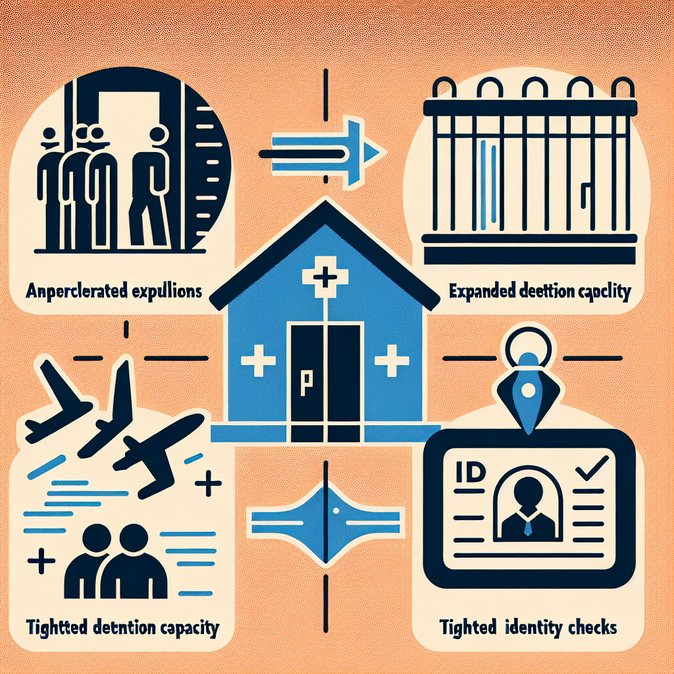
The Italian Chamber of Deputies gave final approval on 24 April to the conversion of Decree-Law 23/2026, a sprawling package that tightens public-order measures and rewrites several chapters of immigration legislation. The vote (162 in favour, 102 against) came less than 24 hours before the decree’s expiry, after a night-long sitting punctuated by partisan renditions of "Bella Ciao" and the national anthem. Chapter IV, the section of greatest interest to global-mobility stakeholders, introduces faster identity verification for foreign prisoners, streamlined notifications for asylum decisions, and an expanded network of reception and detention centres. It also codifies Italy’s framework agreement with Switzerland on joint migration projects, signalling Rome’s intent to tap cross-border funds for return operations.
![Security-and-Migration Decree 23/2026 formally becomes law, ushering in tougher expulsion and reception rules]()
For employers and travellers seeking practical help while these rules evolve, VisaHQ provides end-to-end visa and immigration assistance for Italy. Its online platform (https://www.visahq.com/italy/) offers real-time updates, document preparation tools and case tracking, easing the administrative burden that decrees like 23/2026 can create.
Another article gives prefects broader powers to order immediate removal of third-country nationals who pose “concrete threats” to public security—even if an appeal is pending—provided basic procedural guarantees are met. Employers planning assignments should therefore expect stricter police checks on non-EU staff with prior convictions. The decree contained the contentious “repatriation-bonus” for lawyers, but that clause was neutralised the same afternoon by a separate corrective decree (see previous story). Parliament must convert the corrective text by late June, so regulatory volatility will persist for at least two months. Companies should monitor implementing circulars from the Interior Ministry: new arrival-notification forms and identity-cooperation requirements for detainees could entail additional HR compliance steps when transferring non-EU personnel to Italy.

For employers and travellers seeking practical help while these rules evolve, VisaHQ provides end-to-end visa and immigration assistance for Italy. Its online platform (https://www.visahq.com/italy/) offers real-time updates, document preparation tools and case tracking, easing the administrative burden that decrees like 23/2026 can create.
Another article gives prefects broader powers to order immediate removal of third-country nationals who pose “concrete threats” to public security—even if an appeal is pending—provided basic procedural guarantees are met. Employers planning assignments should therefore expect stricter police checks on non-EU staff with prior convictions. The decree contained the contentious “repatriation-bonus” for lawyers, but that clause was neutralised the same afternoon by a separate corrective decree (see previous story). Parliament must convert the corrective text by late June, so regulatory volatility will persist for at least two months. Companies should monitor implementing circulars from the Interior Ministry: new arrival-notification forms and identity-cooperation requirements for detainees could entail additional HR compliance steps when transferring non-EU personnel to Italy.