Mandatory MOS 2.0 portal goes live 27 April, ending paper residence-permit filings in Poland
Polish immigration offices halt fingerprinting nationwide on 24 April for MOS 2.0 data migration
Poland keeps temporary checks on German and Lithuanian borders until 1 October
Latest News

Poland shuts Połowce and Sławatycze Belarus crossings, rerouting freight traffic
Poland closed the Połowce and Sławatycze road checkpoints on the Belarus border on 24 April, citing security concerns. The move diverts freight to remaining crossings, lengthens transit times and complicates daily commutes for border-zone workers. Businesses should reroute logistics, review employee travel plans and monitor official queue data for further changes.

Kraków Airport opens interim terminal, adding capacity for 2 million more passengers
Kraków–Balice Airport has unveiled a 4,500 m² support terminal that boosts annual capacity by up to 2 million passengers. The interim building—equipped with extra non-Schengen gates and EES kiosks—eases congestion ahead of the airport’s long-term expansion and will benefit employers shuttling staff to southern Poland’s tech hub.

Warsaw Voivodeship warns of Friday fingerprint blackout as Poland readies MOS 2.0 immigration portal
Warsaw’s Mazowiecki Voivodeship has announced that on 24 April 2026 it will not be able to take fingerprints or issue residence cards because technicians are migrating data to the new MOS 2.0 e-filing system, which becomes compulsory nationwide on 27 April. Employers and applicants are advised to reschedule biometric visits and ensure complete electronic files, as paper submissions will no longer be accepted. The downtime could delay work-start dates for non-EU assignees who have yet to submit biometrics.
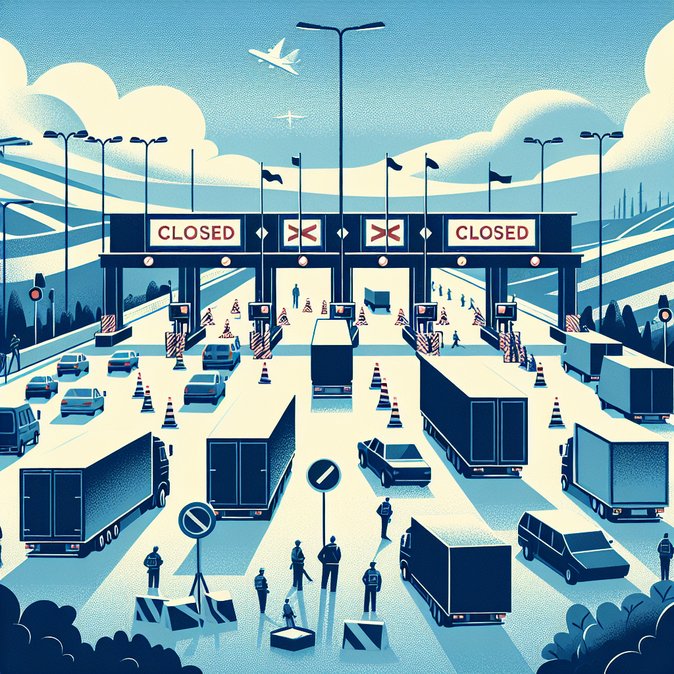
Poland suspends traffic at Połowce and Sławatycze crossings as Belarus border tightens again
As of 23 April 2026, Poland has closed the Połowce and Sławatycze road crossings with Belarus, citing security concerns. Traffic is being rerouted to other checkpoints, raising wait times and complicating freight and commuter routes. Companies relying on just-in-time deliveries or cross-border staff movements should activate contingency plans and monitor further announcements from the Polish Border Guard.