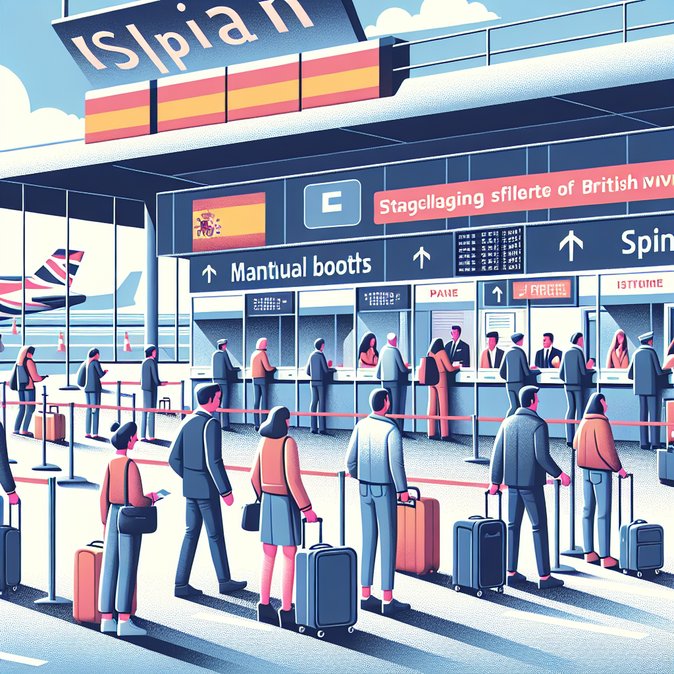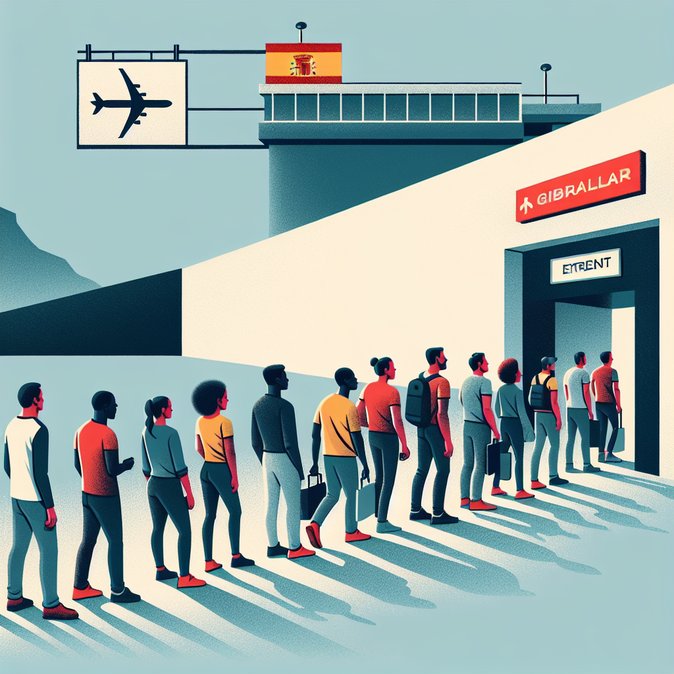
In a confidential circular dated 22 April, Spain’s National Police immigration unit instructed all border posts—notably the land crossing at La Línea and airports handling Gibraltar traffic—to stop registering Gibraltar nationals in the EU’s new Entry/Exit System (EES). The EES, fully operational since 10 April, replaces passport stamping with biometric data capture for every non-EU short-stay visitor. By omitting Gibraltar residents—who technically remain UK nationals—Spain is bending an EU rule that has no written exemption for the territory. The police memo cites neither legal authority nor a time limit, but officials hint the measure is a “temporary workaround” until the long-negotiated EU–UK mobility agreement on Gibraltar takes effect on 15 July.
![Spain Quietly Tells Border Police to Skip EES Checks for Gibraltar Travellers]()
At times like these, specialist support can simplify travel planning. VisaHQ’s Spain portal (https://www.visahq.com/spain/) continually monitors policy shifts and can help individuals or corporate mobility teams verify documentation requirements, schedule consular appointments, and secure any necessary visas for Spain and the wider Schengen area.
Practically, the instruction eases routine commuting for the 10,000 Gibraltar workers who cross daily, but it creates potential mismatches in the central EES database. A traveller who enters via Gibraltar without a digital record and later exits Schengen through Malaga or Madrid could be flagged as an overstayer, risking future denial of entry. Airlines will need to watch for false alerts and advise passengers to carry proof of entry. For multinational companies that post staff to Gibraltar’s thriving finance and online-gaming sectors, the exemption reduces short-term friction but increases compliance complexity when employees travel onward within Schengen. Mobility managers should brief assignees to retain boarding passes and consider requesting manual passport stamps to create an audit trail until the bilateral deal is finalised.

At times like these, specialist support can simplify travel planning. VisaHQ’s Spain portal (https://www.visahq.com/spain/) continually monitors policy shifts and can help individuals or corporate mobility teams verify documentation requirements, schedule consular appointments, and secure any necessary visas for Spain and the wider Schengen area.
Practically, the instruction eases routine commuting for the 10,000 Gibraltar workers who cross daily, but it creates potential mismatches in the central EES database. A traveller who enters via Gibraltar without a digital record and later exits Schengen through Malaga or Madrid could be flagged as an overstayer, risking future denial of entry. Airlines will need to watch for false alerts and advise passengers to carry proof of entry. For multinational companies that post staff to Gibraltar’s thriving finance and online-gaming sectors, the exemption reduces short-term friction but increases compliance complexity when employees travel onward within Schengen. Mobility managers should brief assignees to retain boarding passes and consider requesting manual passport stamps to create an audit trail until the bilateral deal is finalised.