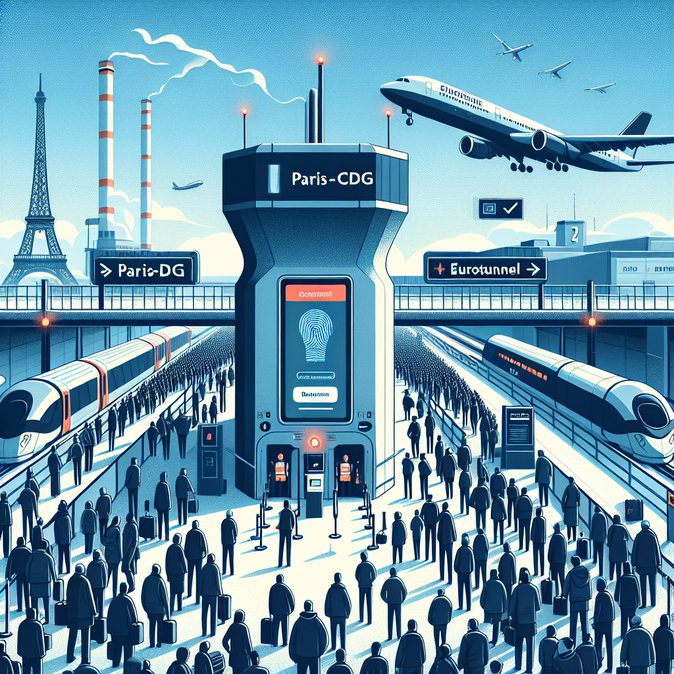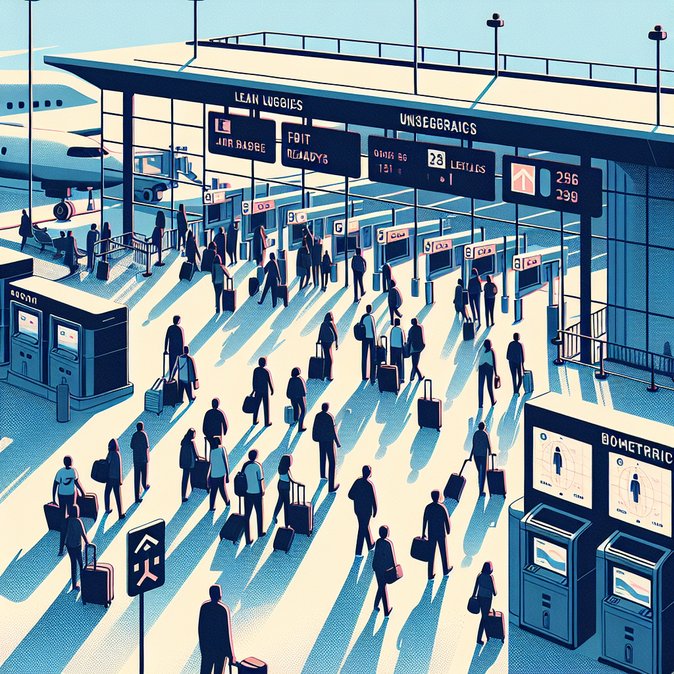
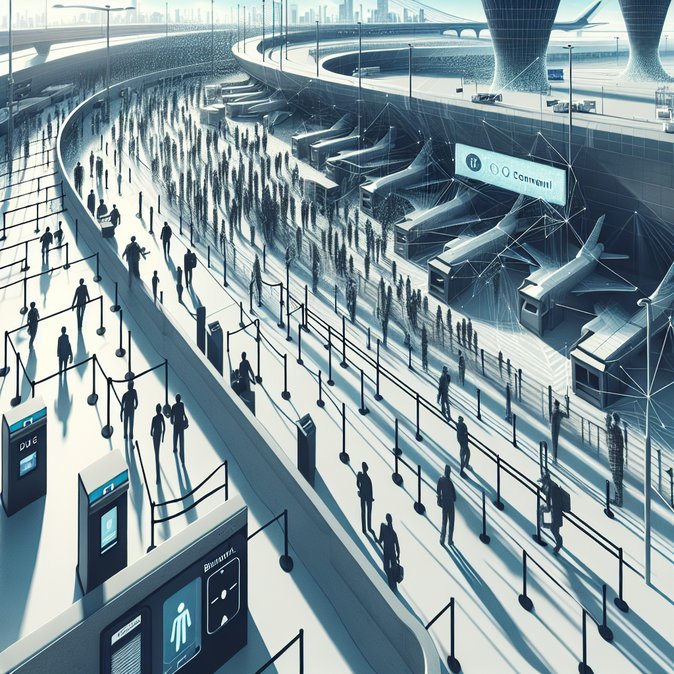
A 13 April Condé Nast Traveller report on a botched easyJet boarding at Milan–Linate has cast fresh light on France’s own preparedness for the EU Entry/Exit System. Of the 156 passengers booked on flight EJU5420 to Manchester on Sunday, only 34 boarded; 122 were left behind after passport-control queues spiralled out of control. The article notes that France, Greece, Poland and Spain were all deemed “far from ready” for full EES processing, raising alarm for travellers heading to Paris this spring.
![France Flagged as ‘Far From Ready’ as EES Chaos in Milan Highlights Wider Schengen Risks]()
Travellers who want to minimise surprises can tap VisaHQ for help: the company’s France-dedicated portal (https://www.visahq.com/france/) provides live EES updates, personalised visa guidance and accelerated document services, making it easier to navigate shifting border requirements before setting foot in the airport.
While the incident occurred in Italy, mobility experts say the underlying problem—insufficient biometric booths and staff training—applies equally to France’s regional airports such as Bordeaux and Toulouse, which handle rising volumes of UK and US visitors. French border police have already redeployed officers from commercial ports to airports to cover early EES shortfalls, an internal memo seen by industry consultants shows. Business-travel managers are therefore advising clients to avoid tight intra-Schengen connections in France and to build in at least four hours between landing and onward rail or domestic air legs. Companies planning group incentives or conferences in Paris over the next six weeks are being told to stagger arrivals and consider private-terminal services where budgets allow. Long-term, the French government insists that additional kiosks—ordered last year but delayed by semiconductor shortages—will be installed before the Paris 2026 summer tourist spike. Until then, the Milan incident serves as a cautionary tale: if a mid-size Italian airport can strand an entire aircraft, France’s mega-hubs could face even bigger meltdowns. Travellers who must transit France over the coming fortnight should pre-enrol biometrics where offered, carry printed confirmations, and monitor airline apps for live queue-time updates. The EES may promise seamless travel, but for now readiness levels vary sharply across Schengen—even, and perhaps especially, in France.
Travellers who want to minimise surprises can tap VisaHQ for help: the company’s France-dedicated portal (https://www.visahq.com/france/) provides live EES updates, personalised visa guidance and accelerated document services, making it easier to navigate shifting border requirements before setting foot in the airport.
While the incident occurred in Italy, mobility experts say the underlying problem—insufficient biometric booths and staff training—applies equally to France’s regional airports such as Bordeaux and Toulouse, which handle rising volumes of UK and US visitors. French border police have already redeployed officers from commercial ports to airports to cover early EES shortfalls, an internal memo seen by industry consultants shows. Business-travel managers are therefore advising clients to avoid tight intra-Schengen connections in France and to build in at least four hours between landing and onward rail or domestic air legs. Companies planning group incentives or conferences in Paris over the next six weeks are being told to stagger arrivals and consider private-terminal services where budgets allow. Long-term, the French government insists that additional kiosks—ordered last year but delayed by semiconductor shortages—will be installed before the Paris 2026 summer tourist spike. Until then, the Milan incident serves as a cautionary tale: if a mid-size Italian airport can strand an entire aircraft, France’s mega-hubs could face even bigger meltdowns. Travellers who must transit France over the coming fortnight should pre-enrol biometrics where offered, carry printed confirmations, and monitor airline apps for live queue-time updates. The EES may promise seamless travel, but for now readiness levels vary sharply across Schengen—even, and perhaps especially, in France.