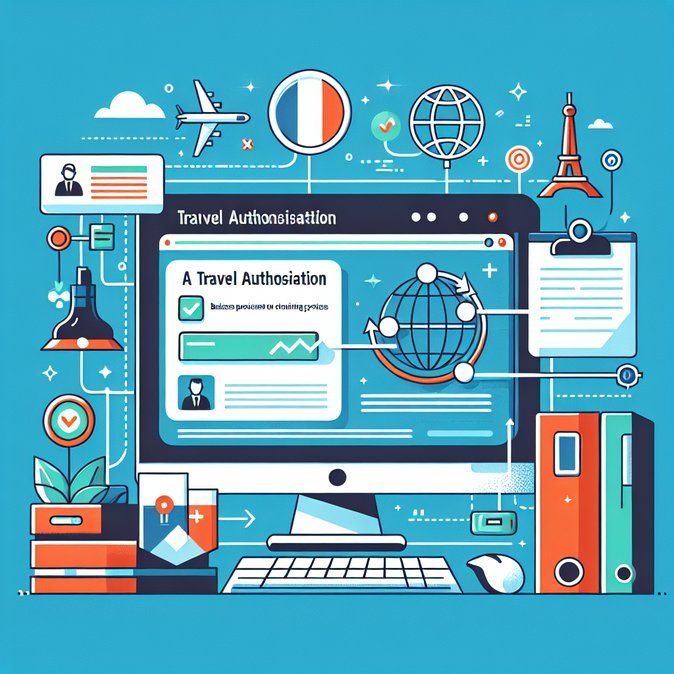
With the ink barely dry on the EES roll-out, France is already preparing for its next digital border milestone: the European Travel Information and Authorisation System (ETIAS). A 12 April briefing by Paris-based LexCase Immigration walks travellers through the soon-to-launch scheme, which will require visa-exempt visitors—ranging from US executives to British holidaymakers—to obtain an online authorisation before boarding a flight to France. ETIAS is not a visa; the €7 application is valid for three years and mirrors the US ESTA model.
![ETIAS Countdown: What Corporate Travellers Must Do Before Entering France From Late 2026]()
If you’re looking for an extra layer of support, VisaHQ can streamline the entire application process—alerting you when ETIAS becomes mandatory, pre-checking your data to avoid costly errors, and keeping all your travel authorisations in one dashboard. More information is available at https://www.visahq.com/france/
Applicants will complete a short online form, receive a near-instant decision in 95 % of cases and have their authorisation digitally linked to their passport. LexCase emphasises that holders of a French residence permit or Schengen visa are exempt, but warns that errors in the online form can trigger a 30-day manual review—an unwelcome surprise for last-minute business trips. For global-mobility teams, ETIAS adds a new compliance layer on top of Schengen’s 90/180-day rule. Companies must update travel-approval workflows, ensure HR systems record the ETIAS validity date for each assignee and brief staff on phishing sites posing as the official EU portal. LexCase recommends applying at least a week ahead of travel until processing times stabilise. The French government sees ETIAS and EES as complementary: EES records actual border crossings, while ETIAS screens for security or overstay risks before departure. Together they will give authorities a granular view of arrivals—a boon for national security, but also a trigger for automatic fines if overstays are detected. With the launch slated for “late 2026,” the window for corporate preparation is open now. Travel managers should budget for the fee, automate reminders when passports—or ETIAS approvals—expire, and communicate clearly that the new authorisation applies even for 48-hour meetings in Paris.

If you’re looking for an extra layer of support, VisaHQ can streamline the entire application process—alerting you when ETIAS becomes mandatory, pre-checking your data to avoid costly errors, and keeping all your travel authorisations in one dashboard. More information is available at https://www.visahq.com/france/
Applicants will complete a short online form, receive a near-instant decision in 95 % of cases and have their authorisation digitally linked to their passport. LexCase emphasises that holders of a French residence permit or Schengen visa are exempt, but warns that errors in the online form can trigger a 30-day manual review—an unwelcome surprise for last-minute business trips. For global-mobility teams, ETIAS adds a new compliance layer on top of Schengen’s 90/180-day rule. Companies must update travel-approval workflows, ensure HR systems record the ETIAS validity date for each assignee and brief staff on phishing sites posing as the official EU portal. LexCase recommends applying at least a week ahead of travel until processing times stabilise. The French government sees ETIAS and EES as complementary: EES records actual border crossings, while ETIAS screens for security or overstay risks before departure. Together they will give authorities a granular view of arrivals—a boon for national security, but also a trigger for automatic fines if overstays are detected. With the launch slated for “late 2026,” the window for corporate preparation is open now. Travel managers should budget for the fee, automate reminders when passports—or ETIAS approvals—expire, and communicate clearly that the new authorisation applies even for 48-hour meetings in Paris.