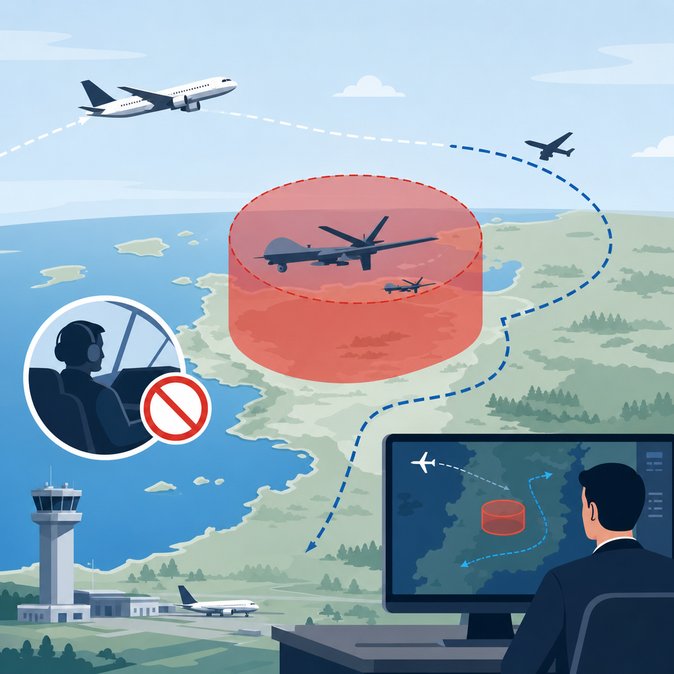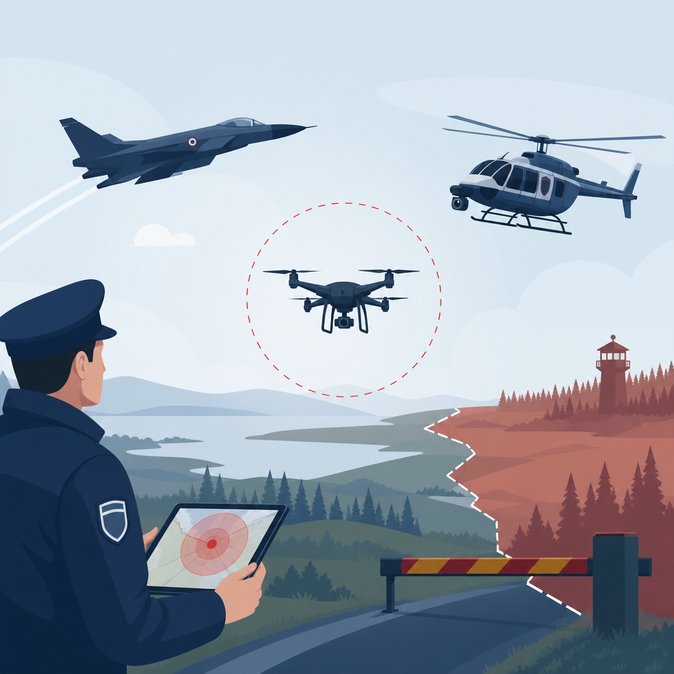
Finland’s Defence Forces and police scrambled in the early hours of 17 May after residents in Lemi, South Karelia, alerted authorities to the sound of an unmanned aircraft flying low over the lake-dotted border region. Military helicopters searched the area for more than an hour while F/A-18 Hornet fighters conducted additional patrols over South-eastern Finland and Pirkanmaa later the same morning. The incident is the latest in a string of suspected air-space violations linked to the war in Ukraine and follows an emergency text alert issued in Uusimaa on 15 May and a series of drone crashes in Kouvola, Hamina and Iitti earlier this spring. Although officials declined to confirm the drone’s origin, the Border Guard has previously said that downed UAVs found inside Finland were “most likely of Ukrainian manufacture”. Finnish investigators have not ruled out the possibility that additional aircraft may have strayed across the 1 340-kilometre eastern frontier. Latvia issued its own warning about a rogue drone only hours before Finland’s latest scramble, underlining the regional nature of the threat.
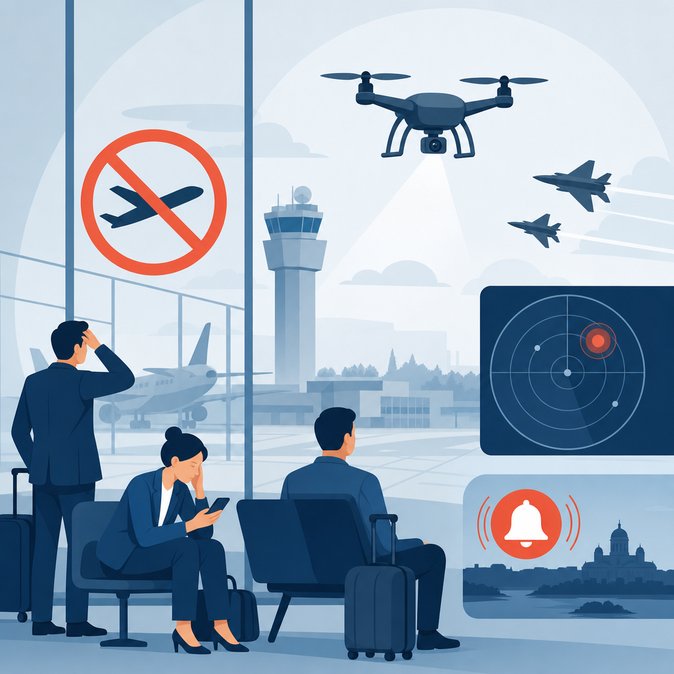
For businesses and travellers, the heightened alert translates into more frequent low-level military flights, temporary air-space restrictions and extra scrutiny of hobby-drone operations near strategic infrastructure. Commercial airlines were unaffected on Sunday, but Finavia again urged passengers to monitor flight updates as short-notice military activities can ripple through Helsinki Airport’s tightly-timed departure banks.
![Finland heightens air-space vigilance after fresh drone incursion reports]()
If such disruptions force you to change plans on short notice, VisaHQ can help smooth the process. Through its Finland portal (https://www.visahq.com/finland/), the service offers rapid visa arrangements, residence permits and travel-document assistance, ensuring that individuals and corporate mobility teams can adapt quickly to evolving border controls without derailing critical itineraries.
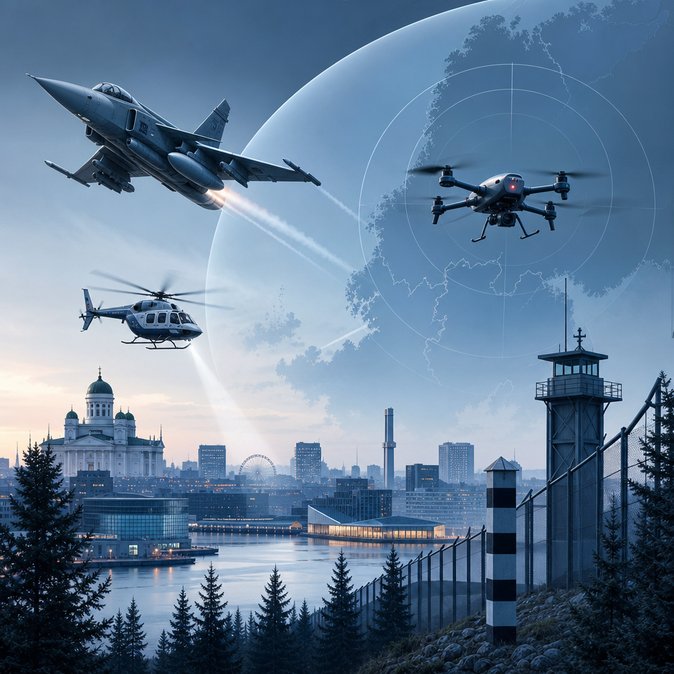
The Finnish Transport and Communications Agency (Traficom) reminded drone operators that all devices – including toys under 250 g – must be registered and flown within visual line-of-sight unless specific permission has been granted. Companies using drones for mapping, construction or media work along the eastern border are advised to file flight plans well in advance and build contingency time into project schedules. Finland’s response also illustrates how air-space integrity is becoming a core element of the country’s broader border-security toolkit, complementing new ground-surveillance radars, fence segments and accelerated asylum-processing rules introduced since Russia’s full-scale invasion of Ukraine. Multinationals with staff or assets in Finland should expect periodic surges in security measures and factor possible travel disruptions into their mobility planning.
For businesses and travellers, the heightened alert translates into more frequent low-level military flights, temporary air-space restrictions and extra scrutiny of hobby-drone operations near strategic infrastructure. Commercial airlines were unaffected on Sunday, but Finavia again urged passengers to monitor flight updates as short-notice military activities can ripple through Helsinki Airport’s tightly-timed departure banks.
If such disruptions force you to change plans on short notice, VisaHQ can help smooth the process. Through its Finland portal (https://www.visahq.com/finland/), the service offers rapid visa arrangements, residence permits and travel-document assistance, ensuring that individuals and corporate mobility teams can adapt quickly to evolving border controls without derailing critical itineraries.
The Finnish Transport and Communications Agency (Traficom) reminded drone operators that all devices – including toys under 250 g – must be registered and flown within visual line-of-sight unless specific permission has been granted. Companies using drones for mapping, construction or media work along the eastern border are advised to file flight plans well in advance and build contingency time into project schedules. Finland’s response also illustrates how air-space integrity is becoming a core element of the country’s broader border-security toolkit, complementing new ground-surveillance radars, fence segments and accelerated asylum-processing rules introduced since Russia’s full-scale invasion of Ukraine. Multinationals with staff or assets in Finland should expect periodic surges in security measures and factor possible travel disruptions into their mobility planning.