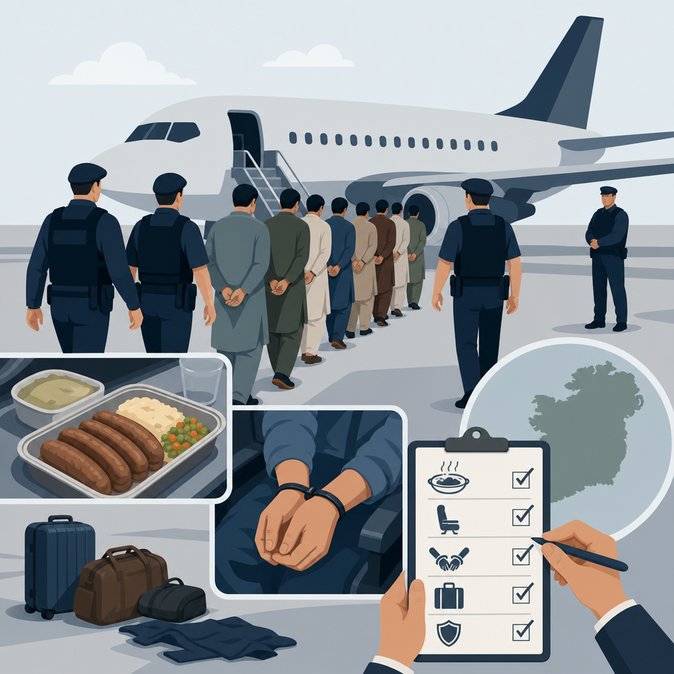
The Council of the European Union formally ended the restrictive visa measures it had imposed on Ethiopia in 2024, citing “substantial improvements” in Addis Ababa’s cooperation on migrant readmission. The decision—adopted on 18 May and published on 19 May—re-instates standard processing under the EU Visa Code for Ethiopian nationals, reversing longer appointment wait-times and higher documentation thresholds that had frustrated Irish NGOs and agritech companies operating in the Horn of Africa. Ireland, as an EU member state, will immediately apply the normalised rules at its Consulate in Nairobi and at external-service-provider centres that handle Ethiopian applications.
![EU lifts visa restrictions on Ethiopia, clearing path for Irish firms and aid workers]()
Travellers navigating these updated requirements may find it helpful to use a specialised visa service. VisaHQ, for instance, offers step-by-step guidance, document checking and courier submission options for Ireland-bound Ethiopian nationals and for Irish citizens seeking Ethiopian e-visas, all accessible through its dedicated Ireland portal at https://www.visahq.com/ireland/ By outsourcing the paperwork, applicants can avoid common errors and track their files in real time.
According to the Department of Foreign Affairs, Irish visa officers processed fewer than 600 Ethiopian Schengen short-stay files in 2025, a 42 % drop on 2023 levels that industry groups blamed on the sanctions regimen. With the restrictions lifted, business leaders in sectors such as renewable energy, aviation leasing and dairy technology expect project-site visits and maintenance rotations to accelerate in the second half of 2026. The Council’s move follows a European Commission review that found Ethiopia had “materially improved” in issuing emergency travel documents and accepting chartered return flights of nationals with no legal right to remain in Europe. Under Article 25a of the Visa Code, Brussels may tighten—or loosen—visa facilitation based on such cooperation metrics. For mobility managers, the restoration means standard fee levels (€80 instead of €120) and the return of optional documentation waivers for holders of previous visas, easing administrative burdens. Irish humanitarian agencies welcomed the announcement, noting that staff often needed multi-entry visas to coordinate famine-relief programmes in Tigray and Afar. They cautioned, however, that security conditions in parts of Ethiopia remain volatile and urged travellers to continue registering with DFA TravelWise. Employers were also reminded that, despite the EU-level change, Irish citizens must still obtain Ethiopian entry visas (currently available online) before departure.

Travellers navigating these updated requirements may find it helpful to use a specialised visa service. VisaHQ, for instance, offers step-by-step guidance, document checking and courier submission options for Ireland-bound Ethiopian nationals and for Irish citizens seeking Ethiopian e-visas, all accessible through its dedicated Ireland portal at https://www.visahq.com/ireland/ By outsourcing the paperwork, applicants can avoid common errors and track their files in real time.
According to the Department of Foreign Affairs, Irish visa officers processed fewer than 600 Ethiopian Schengen short-stay files in 2025, a 42 % drop on 2023 levels that industry groups blamed on the sanctions regimen. With the restrictions lifted, business leaders in sectors such as renewable energy, aviation leasing and dairy technology expect project-site visits and maintenance rotations to accelerate in the second half of 2026. The Council’s move follows a European Commission review that found Ethiopia had “materially improved” in issuing emergency travel documents and accepting chartered return flights of nationals with no legal right to remain in Europe. Under Article 25a of the Visa Code, Brussels may tighten—or loosen—visa facilitation based on such cooperation metrics. For mobility managers, the restoration means standard fee levels (€80 instead of €120) and the return of optional documentation waivers for holders of previous visas, easing administrative burdens. Irish humanitarian agencies welcomed the announcement, noting that staff often needed multi-entry visas to coordinate famine-relief programmes in Tigray and Afar. They cautioned, however, that security conditions in parts of Ethiopia remain volatile and urged travellers to continue registering with DFA TravelWise. Employers were also reminded that, despite the EU-level change, Irish citizens must still obtain Ethiopian entry visas (currently available online) before departure.