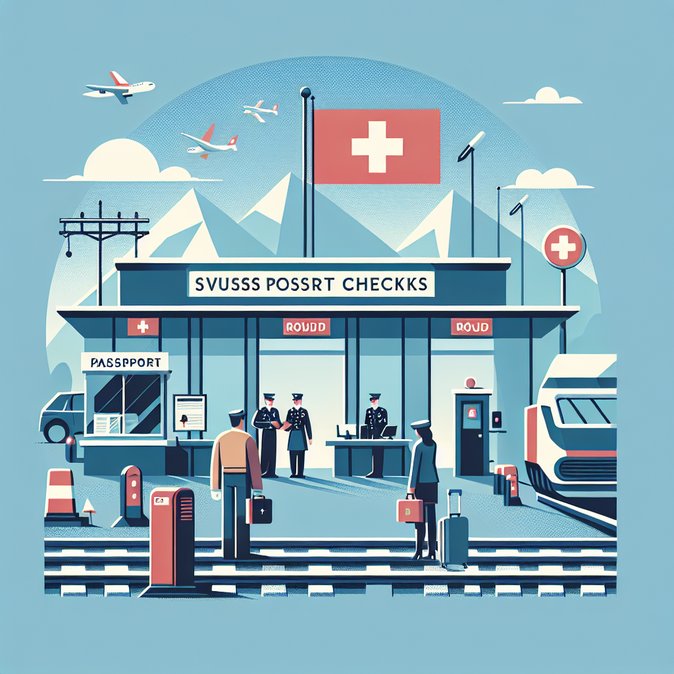
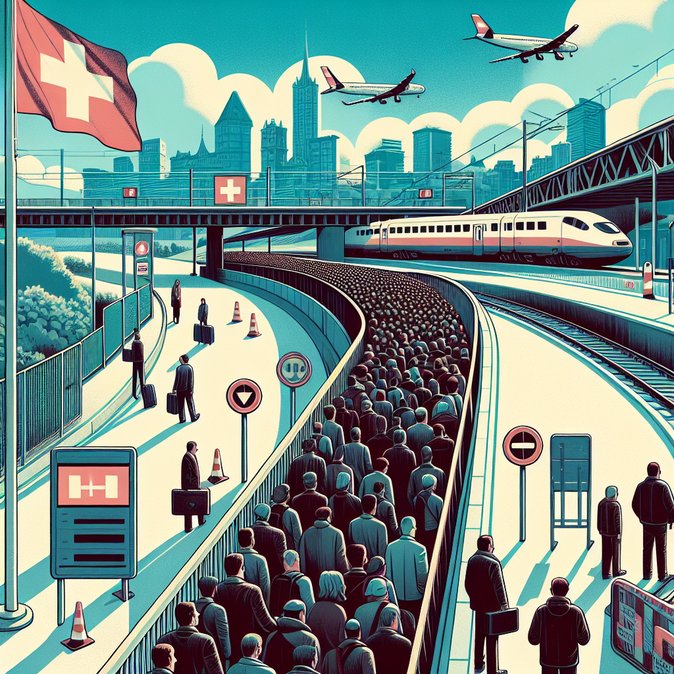
The Federal Council has confirmed that Switzerland will temporarily suspend normal Schengen-area free-border travel and re-introduce systematic checks at its land frontier with France from 10 to 19 June 2026. The extraordinary measure is tied to the G7 leaders’ meeting that France is hosting in the lakeside town of Évian-les-Bains, barely 45 kilometres from Geneva. Under Schengen rules, member states may restore internal border controls when public security is considered to be at risk. Swiss authorities point to violent protests and sabotage that have disrupted previous G7 gatherings and warn that the Lake Geneva region—including Geneva, Lausanne and several Vaud-side congress venues—could attract demonstrators targeting global leaders and media crews. During the nine-day period, travellers arriving by road or rail should expect passport inspections, vehicle searches and occasional diversions to smaller crossings. The Federal Office for Customs and Border Security (BAZG) will deploy additional officers at the major A1 (Geneva), A40 (Vallorbe) and A41 (Nyon) corridors, while cantonal police in Vaud and Geneva will reinforce patrols on secondary roads. Commercial carriers have been advised to factor in potential delays of 15–60 minutes when scheduling time-sensitive shipments.
![Switzerland to Reinstate Border Checks with France for June G7 Summit]()
If you are unsure whether your passport, residence permit or supporting documents meet Swiss or Schengen requirements during the temporary controls, VisaHQ can streamline the process. The platform offers up-to-date entry guidelines, online applications and document review services for Switzerland and countless other destinations—saving time for both individual travellers and corporate mobility teams. Visit https://www.visahq.com/switzerland/ for details.
Business-travel planners should alert employees who commute daily from France (over 240 000 G-permit holders) that they must carry valid passports or national ID cards as well as residence or work permits. Employers hosting guests during the summit period are urged to provide invitation letters and hotel confirmations to facilitate entry. Companies operating shuttle services between Geneva Airport and French hotels must apply for special transit badges. Although disruptive in the short term, Bern stresses that the decision underscores Switzerland’s ability to act swiftly inside the Schengen framework while maintaining overall alignment with EU mobility standards. Once the summit concludes, controls will be lifted and routine free movement restored.
If you are unsure whether your passport, residence permit or supporting documents meet Swiss or Schengen requirements during the temporary controls, VisaHQ can streamline the process. The platform offers up-to-date entry guidelines, online applications and document review services for Switzerland and countless other destinations—saving time for both individual travellers and corporate mobility teams. Visit https://www.visahq.com/switzerland/ for details.
Business-travel planners should alert employees who commute daily from France (over 240 000 G-permit holders) that they must carry valid passports or national ID cards as well as residence or work permits. Employers hosting guests during the summit period are urged to provide invitation letters and hotel confirmations to facilitate entry. Companies operating shuttle services between Geneva Airport and French hotels must apply for special transit badges. Although disruptive in the short term, Bern stresses that the decision underscores Switzerland’s ability to act swiftly inside the Schengen framework while maintaining overall alignment with EU mobility standards. Once the summit concludes, controls will be lifted and routine free movement restored.