Germany’s flag-carrier Lufthansa announced on 4 May that it will invest more than €70 million this year to overhaul cabin service on long-haul flights under a programme dubbed ‘FOX – Future Onboard Experience’. The initiative covers everything from new menus and larger drinks selections to redesigned crockery and premium amenity kits across all classes. CEO Jens Ritter framed the spend as essential to keep premium customers loyal at a time when the airline is grappling with repeated pilot and cabin-crew strikes, soaring jet-fuel prices linked to Middle-East tensions, and fierce competition from Gulf and Asian carriers. Business-class passengers, for example, will be able to order their second meal on demand – a feature popular with time-pressed executives on overnight east-west runs. Economy travellers on flights over 10 hours will get three hot main-course options instead of two, and a revamped sleep kit.
![Lufthansa pours €70 million into long-haul ‘Future Onboard Experience’ as strikes and cost pressure bite]()
For corporates planning trips around these enhanced services, VisaHQ can simplify the visa side of the equation. Its Germany portal (https://www.visahq.com/germany/) offers quick, end-to-end assistance with Schengen visa applications, passport renewals and other consular necessities, letting travel managers keep paperwork timelines in sync with Lufthansa’s refreshed schedules.
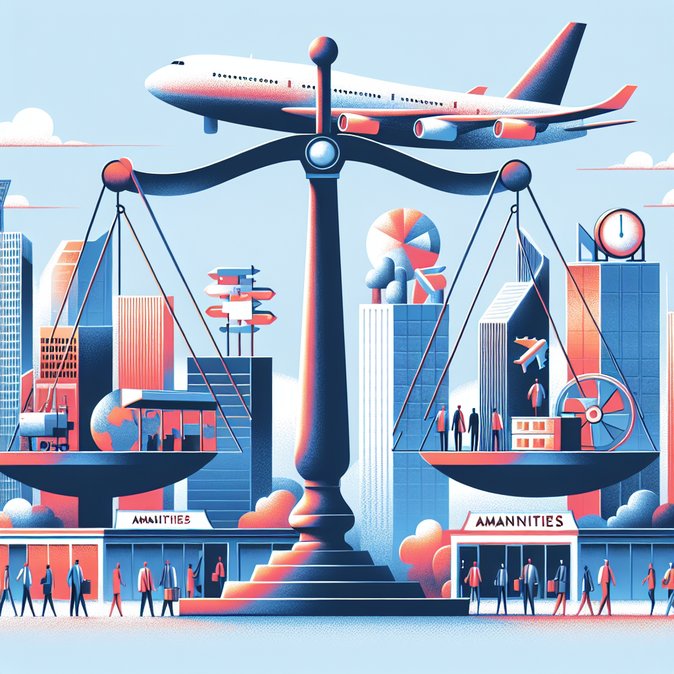
The announcement matters for global-mobility budgets. Corporate travel buyers negotiating 2027 contract renewals say Lufthansa is signalling that, despite industrial-relations turbulence, it intends to hold ground in the high-yield segment rather than chasing volume with deep discounts. The upgrades could therefore justify higher fares on key corridors such as Frankfurt–New York and Munich–Tokyo just as many firms are recalibrating travel ROI. At the same time, the carrier confirmed it will introduce a new ‘Economy Basic’ light fare on European routes, limiting cabin-bag allowance to a personal item. Policy managers must revisit baggage reimbursement rules, especially for short client visits where staff traditionally relied on wheeled carry-ons. Labour unions were quick to react: UFO, representing cabin crew, called the investment “window dressing” that does nothing to resolve disputes over schedules and pensions. Pilots’ union VC warned that enhanced service levels increase workload and require staffing safeguards. Negotiations resume next week, and further walk-outs remain possible – a reminder that even as the product improves, operational reliability is not yet guaranteed.
For corporates planning trips around these enhanced services, VisaHQ can simplify the visa side of the equation. Its Germany portal (https://www.visahq.com/germany/) offers quick, end-to-end assistance with Schengen visa applications, passport renewals and other consular necessities, letting travel managers keep paperwork timelines in sync with Lufthansa’s refreshed schedules.
The announcement matters for global-mobility budgets. Corporate travel buyers negotiating 2027 contract renewals say Lufthansa is signalling that, despite industrial-relations turbulence, it intends to hold ground in the high-yield segment rather than chasing volume with deep discounts. The upgrades could therefore justify higher fares on key corridors such as Frankfurt–New York and Munich–Tokyo just as many firms are recalibrating travel ROI. At the same time, the carrier confirmed it will introduce a new ‘Economy Basic’ light fare on European routes, limiting cabin-bag allowance to a personal item. Policy managers must revisit baggage reimbursement rules, especially for short client visits where staff traditionally relied on wheeled carry-ons. Labour unions were quick to react: UFO, representing cabin crew, called the investment “window dressing” that does nothing to resolve disputes over schedules and pensions. Pilots’ union VC warned that enhanced service levels increase workload and require staffing safeguards. Negotiations resume next week, and further walk-outs remain possible – a reminder that even as the product improves, operational reliability is not yet guaranteed.