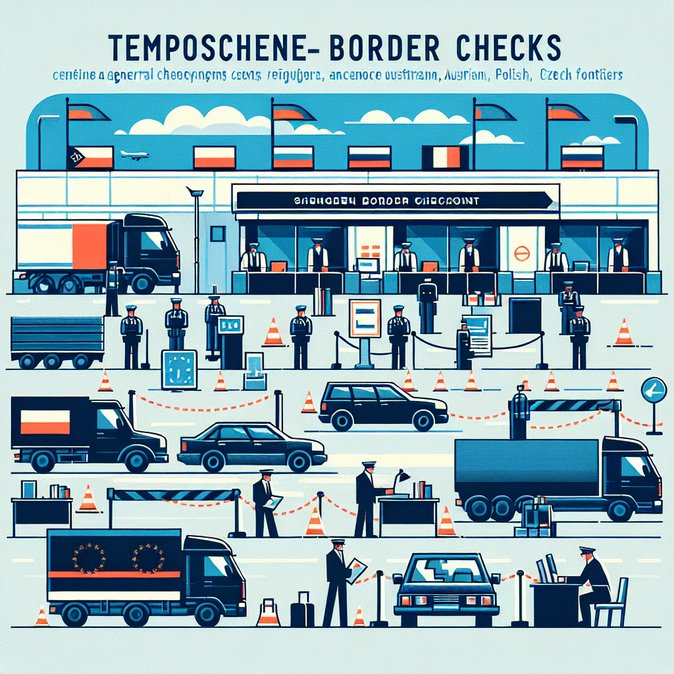
On 2 May 2026 the European Commission authorised member states to suspend the mandatory capture of fingerprints and facial images during peak periods at Schengen external borders. The move comes less than a month after the Entry/Exit System (EES) went fully live on 10 April, generating queues of up to one hour at major hubs such as Paris-CDG, Amsterdam Schiphol and Frankfurt Main. Under the decision, border officers may revert to manual passport stamping when automated kiosks are overloaded, provided that biometric data are collected once traffic stabilises. Airlines must still transmit Advance Passenger Information (API) and Passenger Name Records (PNR) as usual.
![EU Allows Temporary Suspension of Biometric Capture at Schengen Borders to Ease Congestion]()
Travellers and mobility teams who need help navigating these shifting requirements can rely on VisaHQ. The company’s Germany portal (https://www.visahq.com/germany/) offers real-time border updates, streamlined visa and passport services, and guidance on upcoming systems like ETIAS, ensuring passengers remain compliant even when procedures change at short notice.
The measure is explicitly temporary and subject to weekly review by the Commission. For German airports, which processed 61 million third-country traveller movements in 2025, the flexibility could reduce missed connections and knock-on delays, particularly ahead of the Pentecost holiday rush. However, corporate travel managers should keep the extra 30-minute buffers they recently introduced until performance data confirm shorter wait times. Travellers holding single-entry Schengen visas should note that a manual stamp will count toward their 90-day allowance; mobility teams must update stay-tracking spreadsheets accordingly. The Commission insists the concession will not delay the planned October 2026 launch of the digital Schengen visa and the European Travel Information and Authorisation System (ETIAS).

Travellers and mobility teams who need help navigating these shifting requirements can rely on VisaHQ. The company’s Germany portal (https://www.visahq.com/germany/) offers real-time border updates, streamlined visa and passport services, and guidance on upcoming systems like ETIAS, ensuring passengers remain compliant even when procedures change at short notice.
The measure is explicitly temporary and subject to weekly review by the Commission. For German airports, which processed 61 million third-country traveller movements in 2025, the flexibility could reduce missed connections and knock-on delays, particularly ahead of the Pentecost holiday rush. However, corporate travel managers should keep the extra 30-minute buffers they recently introduced until performance data confirm shorter wait times. Travellers holding single-entry Schengen visas should note that a manual stamp will count toward their 90-day allowance; mobility teams must update stay-tracking spreadsheets accordingly. The Commission insists the concession will not delay the planned October 2026 launch of the digital Schengen visa and the European Travel Information and Authorisation System (ETIAS).