Ireland enacts International Protection Bill 2026, creating new EU-aligned asylum screening regime
Fuel-price protest blockades snarl road access to Dublin Airport and major trade corridors
Aer Lingus pilot’s High Court action signals simmering industrial tensions ahead of summer schedule
Latest News

Minister McEntee convenes Government Trade Forum, flags mobility implications of Gulf conflict and new EU-Australia trade deal
At a 22 April session of the Government Trade Forum, Minister Helen McEntee warned that Middle-East tensions and shifting tariff landscapes could disrupt Irish business travel and supply chains. The Forum also welcomed the new EU–Australia FTA, which is set to liberalise visa-free travel for short-term assignments. Companies should prepare for route and cost volatility in the second half of 2026.
Aer Lingus warns 23,000 passengers of summer flight cancellations
Aer Lingus will cut about 430 flights—roughly 2 percent of its summer programme—because aircraft maintenance is running behind schedule, impacting an estimated 23,000 passengers. The carrier says most travellers will be rebooked on same-day alternatives, but corporate travel departments are being urged to audit critical journeys and line up contingency routings. The news highlights ongoing supply-chain strains in aviation maintenance and adds scheduling risk for firms that rely on Ireland’s primary long-haul gateway.
Amnesty International flags concerns over Ireland’s pending asylum law in annual rights report
Amnesty International’s latest global survey criticises elements of Ireland’s draft International Protection Bill and urges stronger safeguards for asylum seekers. Released just hours after the President’s Council of State debate, the report increases external pressure on the Government and signals reputational and compliance considerations for firms moving talent into Ireland.
Bridge strike causes morning rail chaos on key Dublin commuter corridor
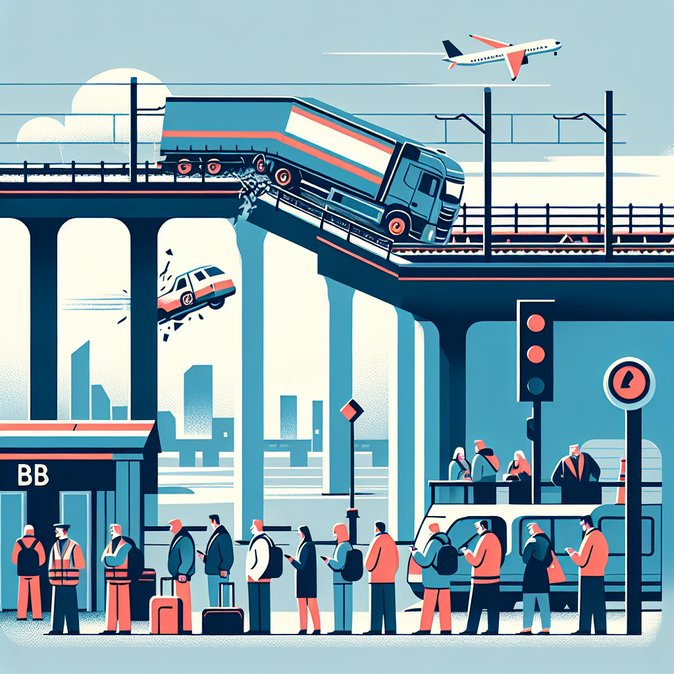
A lorry collision with a railway bridge near Portmarnock suspended north-side commuter trains for over an hour on 21 April, creating 30-minute delays just as travellers headed to Dublin city and the airport. The disruption highlights vulnerability in Ireland’s infrastructure and the importance for companies of real-time transport contingency planning.