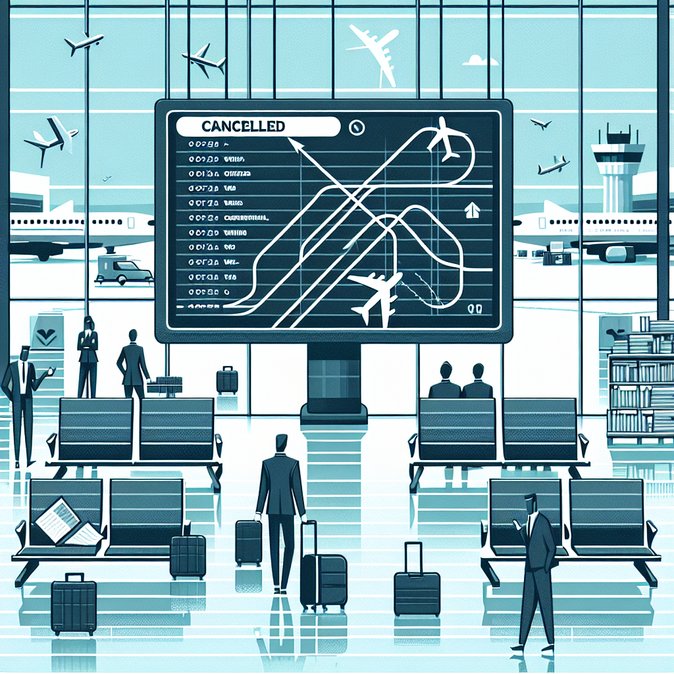
Cyprus’ tourism industry is facing its sharpest short-term downturn since the pandemic, with official statistics and industry bodies confirming a 30 percent year-on-year drop in international arrivals for March 2026. The sudden reversal follows a dramatic escalation of conflict in the Middle East earlier in the month. Airlines including easyJet, British Airways and Lufthansa cut frequencies or temporarily suspended certain rotations to Larnaca and Paphos, citing air-space risk assessments and softer demand.
![Regional tensions dent Cyprus tourism as arrivals slump 30 % in March]()
Amid this fluid travel landscape, VisaHQ’s online visa and passport service (https://www.visahq.com/cyprus/) can ease the burden on both holidaymakers and corporate mobility teams by flagging real-time entry requirements, processing Cyprus visa applications for over 200 nationalities, and advising on alternative routing options when flights are disrupted—helping travellers stay compliant and confident despite the uncertainty.
Hoteliers across Limassol, Ayia Napa and the west-coast resort of Paphos report occupancy well below seasonal norms, forcing some properties to delay openings or shift to weekend-only operations. At the Travel Expo Cyprus 2026 trade fair in Nicosia on Saturday (18 April) tourism boards and destination-marketing organisations scrambled to reassure buyers that the island remains a safe, easily accessible hub. Operators promoted multi-modal itineraries that combine short-haul flights with Aegean ferries or onward links via Athens and Cairo, stressing Cyprus’ EU-level health-and-safety protocols and the absence of domestic security incidents. The Deputy Ministry of Tourism said a €12 million emergency campaign has been approved to target ‘late-bookers’ in Germany, Poland and Scandinavia and to subsidise winter-sun charters if the downturn persists. Industry analysts warn that a prolonged air-capacity squeeze could cost the Cypriot economy up to €420 million in lost visitor spending if summer demand fails to rebound. Travel agents are therefore pivoting to flexible booking conditions and touting off-peak cultural products—such as UNESCO-listed Byzantine churches in the Troödos mountains—to broaden Cyprus’ appeal beyond the classic beach holiday. The Association of Cyprus Travel & Tourism Agents (ACTTA) says it is lobbying Brussels for a temporary EU marketing fund similar to the post-COVID “Re-Open EU” programme. For corporate travel managers, the volatility means closer scrutiny of airline schedules, as even confirmed flights have been cancelled at short notice. Mobility specialists advise routing essential staff through alternative hubs such as Athens, Istanbul or Dubai and checking that Schengen Entry/Exit System (EES) kiosks installed at Larnaca on 10 April are functioning for faster processing. Companies with expatriate teams on the island are revisiting remote-work rotations and emergency-evacuation clauses amid the regional uncertainty, highlighting how geopolitical flashpoints can reverberate through day-to-day global-mobility planning.

Amid this fluid travel landscape, VisaHQ’s online visa and passport service (https://www.visahq.com/cyprus/) can ease the burden on both holidaymakers and corporate mobility teams by flagging real-time entry requirements, processing Cyprus visa applications for over 200 nationalities, and advising on alternative routing options when flights are disrupted—helping travellers stay compliant and confident despite the uncertainty.
Hoteliers across Limassol, Ayia Napa and the west-coast resort of Paphos report occupancy well below seasonal norms, forcing some properties to delay openings or shift to weekend-only operations. At the Travel Expo Cyprus 2026 trade fair in Nicosia on Saturday (18 April) tourism boards and destination-marketing organisations scrambled to reassure buyers that the island remains a safe, easily accessible hub. Operators promoted multi-modal itineraries that combine short-haul flights with Aegean ferries or onward links via Athens and Cairo, stressing Cyprus’ EU-level health-and-safety protocols and the absence of domestic security incidents. The Deputy Ministry of Tourism said a €12 million emergency campaign has been approved to target ‘late-bookers’ in Germany, Poland and Scandinavia and to subsidise winter-sun charters if the downturn persists. Industry analysts warn that a prolonged air-capacity squeeze could cost the Cypriot economy up to €420 million in lost visitor spending if summer demand fails to rebound. Travel agents are therefore pivoting to flexible booking conditions and touting off-peak cultural products—such as UNESCO-listed Byzantine churches in the Troödos mountains—to broaden Cyprus’ appeal beyond the classic beach holiday. The Association of Cyprus Travel & Tourism Agents (ACTTA) says it is lobbying Brussels for a temporary EU marketing fund similar to the post-COVID “Re-Open EU” programme. For corporate travel managers, the volatility means closer scrutiny of airline schedules, as even confirmed flights have been cancelled at short notice. Mobility specialists advise routing essential staff through alternative hubs such as Athens, Istanbul or Dubai and checking that Schengen Entry/Exit System (EES) kiosks installed at Larnaca on 10 April are functioning for faster processing. Companies with expatriate teams on the island are revisiting remote-work rotations and emergency-evacuation clauses amid the regional uncertainty, highlighting how geopolitical flashpoints can reverberate through day-to-day global-mobility planning.