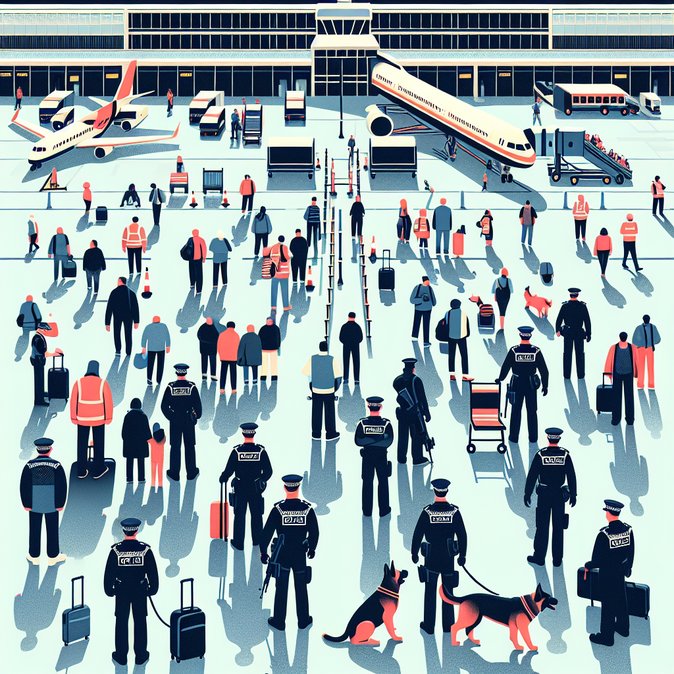
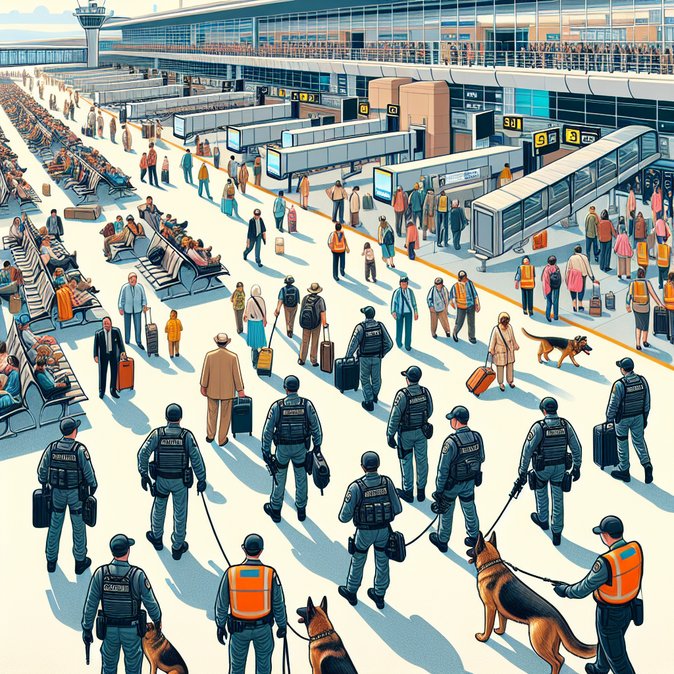
Australian airports are bracing for one of their busiest periods in years as the four-day Easter long-weekend coincides with the start of school holidays in several states. In a media release issued at 7:42 am on 2 April 2026, the Australian Federal Police (AFP) announced it will deploy extra uniformed officers, canine teams and short-barrel-rifle units across its ten designated airports, including the newly-opened Western Sydney Airport. The AFP recorded more than 5,300 aviation-related incidents in the first quarter of 2026 and has already laid 338 charges ranging from violence to theft. Protective Service Superintendent Josh Sinclair-Wadham said Easter “traditionally triggers a spike in anti-social behaviour” as congestion, delays and alcohol combine. Officers will target intoxication, offensive language, unruly passengers and the carriage of prohibited items; 282 people have been arrested so far this year. Border agencies are also warning travellers to factor in longer queues as outbound volumes return to pre-pandemic levels.
![AFP steps up airport patrols and behavioural crackdown ahead of Easter travel rush]()
Travellers preparing for the busy Easter getaway may also want to double-check visa or ETA requirements ahead of time; VisaHQ’s Australia portal (https://www.visahq.com/australia/) offers quick online processing, real-time rule updates and corporate account tools that take the headache out of paperwork for both holidaymakers and mobility managers.
Australian Border Force Superintendent Elke West urged passengers to “allow additional time” and to “remain patient with front-line staff”, noting that screening procedures remain vigilant for illicit substances and security threats despite the festive atmosphere. Industry bodies Airlines for Australia and New Zealand and Australian Airports Association confirmed carriers had rostered extra staff and scheduled additional services but conceded staffing shortages and weather could still trigger bottlenecks. For corporate mobility managers, the key message is forward planning: advise travellers to arrive at least two hours before domestic departures and three hours before international legs, build contingency time into connecting itineraries, and remind staff that disruptive conduct may lead to arrest, on-the-spot infringement notices or airline bans. Organisations moving fly-in-fly-out (FIFO) workers should also review their alcohol-management policies for charter flights. The AFP’s decision to publicise arrest figures and its new Western Sydney deployment underscores a broader policy trend—greater law-enforcement visibility at the border as Australia accelerates airport expansion projects. Mobility teams should expect similar operations during future peak periods such as June/July school holidays and the Christmas break.
Travellers preparing for the busy Easter getaway may also want to double-check visa or ETA requirements ahead of time; VisaHQ’s Australia portal (https://www.visahq.com/australia/) offers quick online processing, real-time rule updates and corporate account tools that take the headache out of paperwork for both holidaymakers and mobility managers.
Australian Border Force Superintendent Elke West urged passengers to “allow additional time” and to “remain patient with front-line staff”, noting that screening procedures remain vigilant for illicit substances and security threats despite the festive atmosphere. Industry bodies Airlines for Australia and New Zealand and Australian Airports Association confirmed carriers had rostered extra staff and scheduled additional services but conceded staffing shortages and weather could still trigger bottlenecks. For corporate mobility managers, the key message is forward planning: advise travellers to arrive at least two hours before domestic departures and three hours before international legs, build contingency time into connecting itineraries, and remind staff that disruptive conduct may lead to arrest, on-the-spot infringement notices or airline bans. Organisations moving fly-in-fly-out (FIFO) workers should also review their alcohol-management policies for charter flights. The AFP’s decision to publicise arrest figures and its new Western Sydney deployment underscores a broader policy trend—greater law-enforcement visibility at the border as Australia accelerates airport expansion projects. Mobility teams should expect similar operations during future peak periods such as June/July school holidays and the Christmas break.