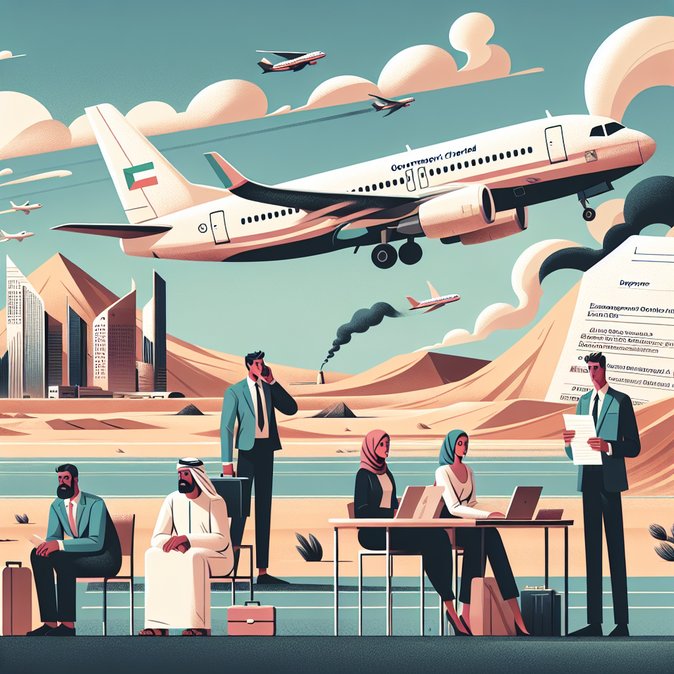
At 05:00 local time on 8 March, a government-chartered A330 touched down at Dublin Airport carrying 189 passengers evacuated from the Gulf. In a statement, Foreign Affairs Minister Helen McEntee hailed the flight as a relief for families after what she called “an incredibly distressing week”.
The aircraft originated in Muscat, Oman, following a complex overland operation that saw would-be passengers bused nearly 1,900 km from Dubai and Abu Dhabi after last-minute slot cancellations at UAE hubs. The flight made a technical stop in Cairo for refuelling and crew change before continuing to Ireland.
McEntee confirmed that more than 1,500 Irish citizens have already returned on reinstated Emirates services since 4 March. The Consular Crisis Centre reports that over 18,000 citizens have now registered their whereabouts—vital data as the Department weighs whether to trigger further assisted-departure options.
![Chartered Repatriation Flight Lands Safely in Dublin After 1,900-km Overland Dash to Muscat]()
In the interim, anyone needing fresh travel documents—whether because passports were lost during the evacuation or new work visas are required to relocate—can streamline the process through VisaHQ. The company’s Ireland desk (https://www.visahq.com/ireland/) consolidates real-time embassy requirements and offers expedited courier services, saving applicants from additional consulate queues at an already stressful moment.
Mobility implications are two-fold. First, companies with Gulf-based staff should anticipate sporadic flight cancellations and build elasticity into Roster and project plans. Second, HR teams need to brief returnees on Revenue guidance covering emergency evacuation allowances, as well as on reintegration protocols such as health-monitoring and psychological support.
For the wider aviation ecosystem, the ad-hoc charter underscores how quickly governments may contract scarce wide-body capacity when geopolitical flashpoints threaten commercial connectivity. Travel-management companies should ensure they have live APIs to consular feeds so they can reroute travellers in real time rather than rely on static schedules.
The aircraft originated in Muscat, Oman, following a complex overland operation that saw would-be passengers bused nearly 1,900 km from Dubai and Abu Dhabi after last-minute slot cancellations at UAE hubs. The flight made a technical stop in Cairo for refuelling and crew change before continuing to Ireland.
McEntee confirmed that more than 1,500 Irish citizens have already returned on reinstated Emirates services since 4 March. The Consular Crisis Centre reports that over 18,000 citizens have now registered their whereabouts—vital data as the Department weighs whether to trigger further assisted-departure options.

In the interim, anyone needing fresh travel documents—whether because passports were lost during the evacuation or new work visas are required to relocate—can streamline the process through VisaHQ. The company’s Ireland desk (https://www.visahq.com/ireland/) consolidates real-time embassy requirements and offers expedited courier services, saving applicants from additional consulate queues at an already stressful moment.
Mobility implications are two-fold. First, companies with Gulf-based staff should anticipate sporadic flight cancellations and build elasticity into Roster and project plans. Second, HR teams need to brief returnees on Revenue guidance covering emergency evacuation allowances, as well as on reintegration protocols such as health-monitoring and psychological support.
For the wider aviation ecosystem, the ad-hoc charter underscores how quickly governments may contract scarce wide-body capacity when geopolitical flashpoints threaten commercial connectivity. Travel-management companies should ensure they have live APIs to consular feeds so they can reroute travellers in real time rather than rely on static schedules.