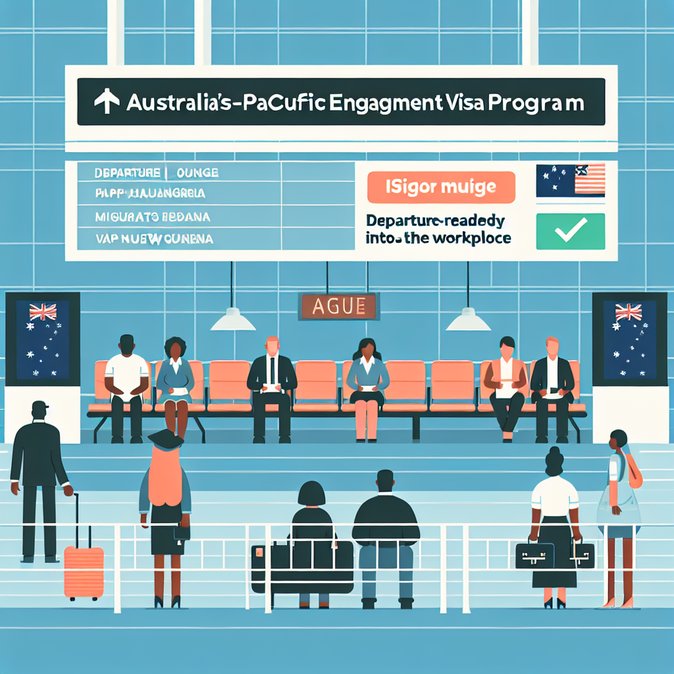
The Pacific Engagement Visa (PEV), Australia’s flagship permanent-migration scheme for Pacific Island nationals, reached a new milestone on 6 March 2026 with the first pre-departure information session held for Papua New Guinea grantees. Run virtually via Microsoft Teams, the day-long workshop covers Australian workplace culture, cost-of-living realities and emotional adjustment—topics designed to reduce settlement stress and early attrition. Attendance at the two-part pre-departure program is compulsory for all PEV holders and their adult dependants. Day One focuses on practicalities—banking, Medicare, schooling—while Day Two drills into employment rights and regional support services.
![Pacific Engagement Visa Moves to Pre-Departure Phase; First PNG Session Held on 6 March]()
For Pacific Island nationals who still need assistance with ancillary paperwork—such as tourist or transit visas for accompanying relatives—VisaHQ offers a streamlined solution. Its Australia page (https://www.visahq.com/australia/) provides step-by-step checklists, online form submission and real-time status tracking, helping PEV grantees and their employers stay on top of compliance without extra stress.
The sessions are capped at 20 participants to allow individual mentoring, and further cohorts are scheduled every Friday through April. For employers tapping the PEV talent pool, the training is a welcome boost. Many assignees will arrive on permanent visas, meaning no nomination paperwork or sponsorship obligations, but HR teams still shoulder onboarding and duty-of-care responsibilities. Understanding the PEV curriculum helps companies align induction content and set realistic expectations around pay cycles and community integration. The Department of Foreign Affairs and Trade, which funds the program, hopes structured preparation will improve retention in regional areas facing chronic labour shortages. Early PEV pilots showed that participants who received settlement coaching were 40 % more likely to remain in their first job after six months compared with those who did not. Registration backlogs remain—demand from Fiji, Samoa and Tonga outstrips the 3,000 annual places—but officials say rolling virtual sessions allow scaling without bottlenecks at physical venues. Mobility specialists recommend contacting the PEV Support Service early if assignees need tailored advice on housing or schooling.

For Pacific Island nationals who still need assistance with ancillary paperwork—such as tourist or transit visas for accompanying relatives—VisaHQ offers a streamlined solution. Its Australia page (https://www.visahq.com/australia/) provides step-by-step checklists, online form submission and real-time status tracking, helping PEV grantees and their employers stay on top of compliance without extra stress.
The sessions are capped at 20 participants to allow individual mentoring, and further cohorts are scheduled every Friday through April. For employers tapping the PEV talent pool, the training is a welcome boost. Many assignees will arrive on permanent visas, meaning no nomination paperwork or sponsorship obligations, but HR teams still shoulder onboarding and duty-of-care responsibilities. Understanding the PEV curriculum helps companies align induction content and set realistic expectations around pay cycles and community integration. The Department of Foreign Affairs and Trade, which funds the program, hopes structured preparation will improve retention in regional areas facing chronic labour shortages. Early PEV pilots showed that participants who received settlement coaching were 40 % more likely to remain in their first job after six months compared with those who did not. Registration backlogs remain—demand from Fiji, Samoa and Tonga outstrips the 3,000 annual places—but officials say rolling virtual sessions allow scaling without bottlenecks at physical venues. Mobility specialists recommend contacting the PEV Support Service early if assignees need tailored advice on housing or schooling.