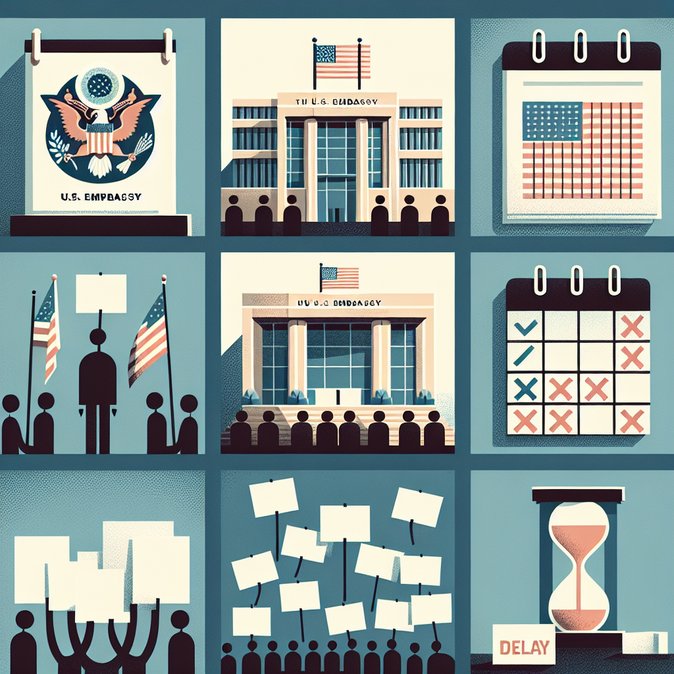
The U.S. Diplomatic Mission to Nigeria announced on 5 March 2026 that all non-immigrant visa and American Citizen Services (ACS) appointments slated for 4 and 5 March have been moved to the week of 9 March because of expected protests in Abuja. The mission urged applicants to monitor their e-mail and the Visa Navigator portal for new slots and warned that routine services would remain suspended until security conditions improve. The closure underscores the growing volatility facing U.S. consular operations worldwide following the outbreak of hostilities between the United States and Iran on 28 February. Embassies across the Middle East and parts of Africa are on heightened alert, and many have instituted “authorized departure” for family members.
![U.S. Embassy in Abuja Shuts Doors and Reschedules March 4–5 Visa & ACS Appointments Amid Protest Threats]()
Amid this uncertainty, VisaHQ can serve as a practical lifeline for travelers and corporate mobility teams alike. Through its U.S. visa support page (https://www.visahq.com/united-states/), the platform offers live appointment tracking, document checklists and emergency rescheduling assistance—resources that become invaluable when consulates shutter with little notice.
Abuja’s shuttering is the first Africa-wide service suspension linked to the conflict, and it highlights knock-on effects for mobility programs using Nigeria as a regional hub. For U.S. employers and relocation providers, the immediate task is triaging assignee and dependent cases. Applicants with urgent travel may request expedited rescheduling, but capacity is constrained because interview-waiver slots were already fully booked through April. Companies should prepare for cascading delays: medical exams, biometrics and police reports often expire if interviews are pushed more than 90 days. The embassy has indicated that priority will be given to F-1 students facing program start dates, medical emergencies and crews on key energy projects in the Niger Delta. Corporate mobility managers are therefore re-routing H-1B and L-1 applicants to Lagos or even Accra, but appointment wait times there exceed 120 days. Policy experts warn that if protests intensify, additional closures across West Africa could follow, further complicating talent deployment to the region’s oil, gas and fintech sectors.

Amid this uncertainty, VisaHQ can serve as a practical lifeline for travelers and corporate mobility teams alike. Through its U.S. visa support page (https://www.visahq.com/united-states/), the platform offers live appointment tracking, document checklists and emergency rescheduling assistance—resources that become invaluable when consulates shutter with little notice.
Abuja’s shuttering is the first Africa-wide service suspension linked to the conflict, and it highlights knock-on effects for mobility programs using Nigeria as a regional hub. For U.S. employers and relocation providers, the immediate task is triaging assignee and dependent cases. Applicants with urgent travel may request expedited rescheduling, but capacity is constrained because interview-waiver slots were already fully booked through April. Companies should prepare for cascading delays: medical exams, biometrics and police reports often expire if interviews are pushed more than 90 days. The embassy has indicated that priority will be given to F-1 students facing program start dates, medical emergencies and crews on key energy projects in the Niger Delta. Corporate mobility managers are therefore re-routing H-1B and L-1 applicants to Lagos or even Accra, but appointment wait times there exceed 120 days. Policy experts warn that if protests intensify, additional closures across West Africa could follow, further complicating talent deployment to the region’s oil, gas and fintech sectors.
More From United States of America
View all
First H-1B Lottery Under Trump’s $100,000 Filing Fee Begins, Sending Shockwaves Through U.S. Talent Strategy

USCIS Issues March 5 RFI for Mobile ‘Digital Green Card’ and EAD, Signaling Paperless Future for Immigration Documents