Vienna Positions Itself as International Hub for Ukraine’s Reconstruction Efforts
Brazil Waives Short-Stay Visas for Citizens of Eight Countries, Targeting a 2026 Tourism Surge
China Expands 30-Day Visa-Free Entry: 77 Countries Now Eligible Through End-2026
Latest News

India–Israel Deal to Recruit 50,000 Additional Indian Workers Over Five Years
A joint declaration on 27 February 2026 caps Prime Minister Modi’s Israel visit with a plan to hire up to 50,000 additional Indian workers over five years. Safeguards include bonded employer deposits, cashless wages and a bilateral grievance portal, positioning the scheme as India’s largest government-to-government labour-mobility channel outside the Gulf.
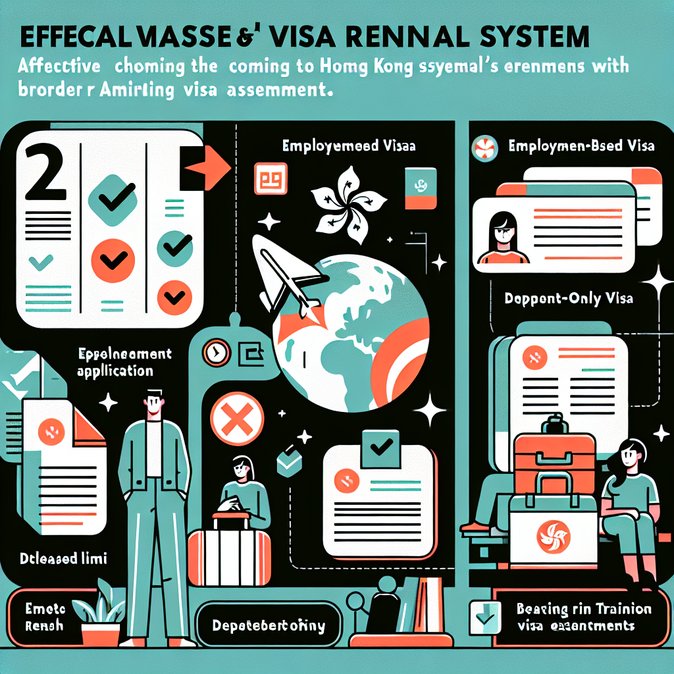
Hong Kong brings forward work-visa renewal window to 90 days
Effective 1 March 2026, Hong Kong will accept renewal applications for its main employment-based visas up to 90 days before expiry, replacing the previous 30-day limit. The longer lead-time eases travel planning, reduces compliance risk and lets companies synchronise Hong Kong renewals with wider Asia-Pacific assignments. Mobility teams should update calendars and note that dependant-only and training-visa extensions are excluded.

Italy sets 1 June 2026 go-live date for fully digital Schengen and national visa applications
Italy will switch to an all-online visa application portal on 1 June 2026, covering every Schengen and national visa category. Most repeat travellers will no longer need a consulate appointment, while companies gain real-time status tracking and API access. The rollout positions Italy as the digital frontrunner in the Schengen area and should shorten processing times for business and leisure visitors alike.

Grace Period Over: UK Airlines Start Enforcing ETA Checks, Catching Unprepared Travellers
The UK’s ETA scheme became fully enforceable this week, and by 27 February airlines were refusing boarding to passengers without the £20 digital authorisation. Mandatory carrier checks mean business travellers must secure the permit in advance or risk trip cancellation, pushing firms to update travel-approval processes. The development signals a new era of pre-departure digital border controls that mobility teams will have to manage.

Airports and Airlines Warn EU Entry/Exit System Could Paralyse Swiss Borders This Summer
On 27 February 2026 the main European airline and airport associations warned that the new biometric Schengen Entry/Exit System could create multi-hour queues at Swiss airports this summer. They urged the European Commission to grant emergency flexibility or risk severe disruption for business and leisure travellers. Swiss companies are already reviewing travel policies to minimise exposure.
UK completes eVisa rollout – big win for UAE residents who need their passports
Britain’s shift to an all-digital visa took full effect on 25 February, and UAE residents were officially briefed on the change two days later. The eVisa means applicants no longer surrender their passports, giving corporate travellers far greater flexibility to move between the UAE and third countries while their UK application is processed.

DGCA’s New “48-Hour Look-In” Rule Gives Air Travellers Free Cancellation and Faster Refunds
From 27 February 2026, India’s DGCA requires all airlines to offer a 48-hour free cancellation or amendment window on tickets booked well in advance, cap cancellation fees, and speed up refunds. The reform removes hidden charges, protects travellers facing medical emergencies, and makes corporate travel budgeting easier. Airlines must comply by 26 March 2026 or face penalties.

China Urges Citizens to Leave Iran, Issues Highest-Level Travel Warning
Beijing issued its most severe Iran travel warning on 27 February 2026, urging Chinese nationals to leave the country immediately and advising against all travel. The move reflects rising regional tensions and obliges employers to activate evacuation and duty-of-care plans for Chinese staff in Iran. Companies should review insurance, alternative routing and communication protocols to minimise disruption.
Belgian Constitutional Court freezes tougher asylum and family-reunification rules
On 27 February 2026 Belgium’s Constitutional Court suspended key parts of last year’s migration overhaul, restoring immediate family-reunification rights for subsidiary-protection holders and forcing the government to resume accommodation for all new asylum seekers. The freeze will stay in place until the EU Court decides, averting an immediate compliance crisis and giving employers more predictability when relocating staff to Belgium.

Weighted-Wage H-1B Lottery Takes Effect, Reshaping FY-2027 Cap Season
USCIS’s new rule giving more lottery entries to higher-wage H-1B registrations became effective on February 27, 2026. The policy will govern the FY-2027 cap lottery that opens in March, rewarding employers that offer Level III or IV wages and lowering odds for entry-level roles. Companies must adjust salary budgets and registration workflows immediately, while foreign talent faces a tougher market for low-salary offers.

Cyprus MPs Move to Curb Foreign Property Purchases, Citing ‘Golden Passport’ Legacy
Cypriot lawmakers advanced a bill on 27 February that would prohibit foreigners from buying land in rural and sensitive zones and impose stricter conditions on urban purchases. The move aims to cool property inflation and distance Cyprus from the controversies of its former ‘golden passport’ programme, forcing multinationals and expatriates to rethink location and ownership strategies.

e-Channel fast-track gates opened to visitors after just two trips and no fingerprints
Starting 27 February 2026, frequent visitors who have flown into Hong Kong just twice in two years can enrol, free of charge and without fingerprinting, for the territory’s automated e-Channel immigration gates. The easier sign-up is expected to shorten airport queues, accelerate conference traffic and boost Hong Kong’s appeal as a regional hub. Corporate travel teams should update arrival briefings and encourage staff with biometric passports to register on their next trip.

USCIS Premium-Processing Fee Jumps to $2,965—Last Day to File at Old Rate Is Feb 29 Shipment
Fragomen warns that USCIS will raise premium-processing fees to $2,965 on March 1. Petitions post-marked after February 29 will be rejected if they carry the old $2,805 check, so employers should dispatch time-critical filings now and budget for higher costs in the upcoming cap season.

Germany evaluates Skilled Immigration Act and unveils “Work-and-Stay Agency” one-stop visa platform
A European Commission news release shows Germany’s Skilled Immigration Act is delivering results: nearly 18,000 “Opportunity Cards” and 838 experience-based visas have been issued, while refugee employment continues to rise. Labour Minister Bärbel Bas simultaneously announced a “Work-and-Stay Agency” that will serve as a digital one-stop shop for all skilled-worker visas and residence permits, aiming to cut processing times by more than half. The move will ease chronic labour shortages and give employers a faster, paperless route to international talent.

France quietly raises income thresholds, making naturalisation significantly harder for foreign residents
An interior-ministry memo, revealed on 27 February 2026, forces citizenship applicants to prove five years of French-sourced, stable income backed by a long-term work contract, and excludes earnings paid from abroad. The change dramatically increases refusal rates for retirees, remote workers and even some long-term residents, narrowing the talent pipeline for employers who counted on naturalisation to secure workforce stability. Companies must now localise pay, convert staff to CDIs or explore alternative EU hubs.

Warsaw Hosts Six-Nation Summit on Illegal Immigration and Human Smuggling
Interior ministers from Poland and five partner countries agreed in Warsaw on 27 Feb 2026 to launch a joint intelligence-sharing cell and tougher screening measures to combat human smuggling networks operating along the EU’s eastern frontier. The deal promises faster information flows and could lead to new work-permit pathways for Pakistani labour, but also tighter Advance Passenger Information rules for airlines and employers.