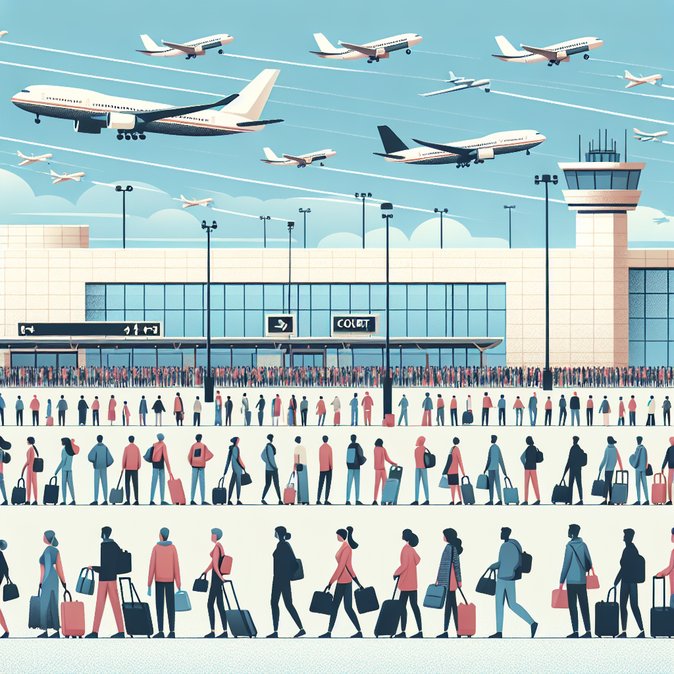
Dublin Airport (DUB) confirmed on Friday, 16 January 2026 that 36.4 million passengers travelled through its two terminals in 2025 – the highest figure in the gateway’s 86-year history and fully 4.4 million above the planning cap of 32 million imposed in 2007. According to airport operator daa, the growth was driven by strong point-to-point demand from Ireland’s resurgent economy, expanded trans-Atlantic schedules from Aer Lingus and Delta, and Ryanair’s decision to add capacity after a temporary suspension of the High Court-disputed traffic cap in late 2024. Over the summer peak the airport handled more than 100,000 passengers on three out of every five days, with a single-day record of 130,427 on 10 August. New CT-security scanners reportedly kept 97 % of travellers moving through search in under 20 minutes.
The numbers are politically sensitive because Fingal County Council and local residents’ groups are already pursuing enforcement action to uphold the cap, citing noise and traffic concerns. Airlines, by contrast, argue that limiting the island nation’s main hub to 32 million passengers would choke trade and tourism just as the population passes the five-million mark. A High Court hearing on the matter is scheduled for March, and industry observers expect a precedent-setting ruling on whether historic planning constraints can withstand modern connectivity needs.
For travellers navigating this evolving landscape, VisaHQ can streamline the visa application process and provide real-time guidance on entry requirements for Ireland and onward destinations. Its digital platform (https://www.visahq.com/ireland/) enables corporates and individual visitors alike to secure the correct documentation quickly, freeing them to focus on booking scarce flights rather than paperwork.
![Dublin Airport smashes passenger record, reigniting legal battle over 32-million cap]()
For global mobility managers the dispute carries practical consequences. If the cap is re-enforced, daa may have to ration slots for the summer 2027 season, prompting fare increases and reduced seat availability on key corporate routes to London, New York and the Middle East. Multinationals with Irish operations should therefore lock in 2026 travel budgets early and monitor the legal timetable, as any injunction could land mid-booking cycle.
In the long term, daa is campaigning for a phased terminal and pier expansion that would lift capacity toward 40 million without a new runway. However, even an expedited planning process would mean no extra gates before 2029. Until then, corporates may need to diversify entry points, using Shannon or Belfast as alternates when conferences coincide with peak leisure flows.
The record also amplifies calls for improved surface access. With just over half of passengers now arriving by public transport, Dublin’s metro link – approved but still unfunded – is being presented as critical infrastructure for Ireland to remain competitive in attracting mobile talent and FDI.
The numbers are politically sensitive because Fingal County Council and local residents’ groups are already pursuing enforcement action to uphold the cap, citing noise and traffic concerns. Airlines, by contrast, argue that limiting the island nation’s main hub to 32 million passengers would choke trade and tourism just as the population passes the five-million mark. A High Court hearing on the matter is scheduled for March, and industry observers expect a precedent-setting ruling on whether historic planning constraints can withstand modern connectivity needs.
For travellers navigating this evolving landscape, VisaHQ can streamline the visa application process and provide real-time guidance on entry requirements for Ireland and onward destinations. Its digital platform (https://www.visahq.com/ireland/) enables corporates and individual visitors alike to secure the correct documentation quickly, freeing them to focus on booking scarce flights rather than paperwork.
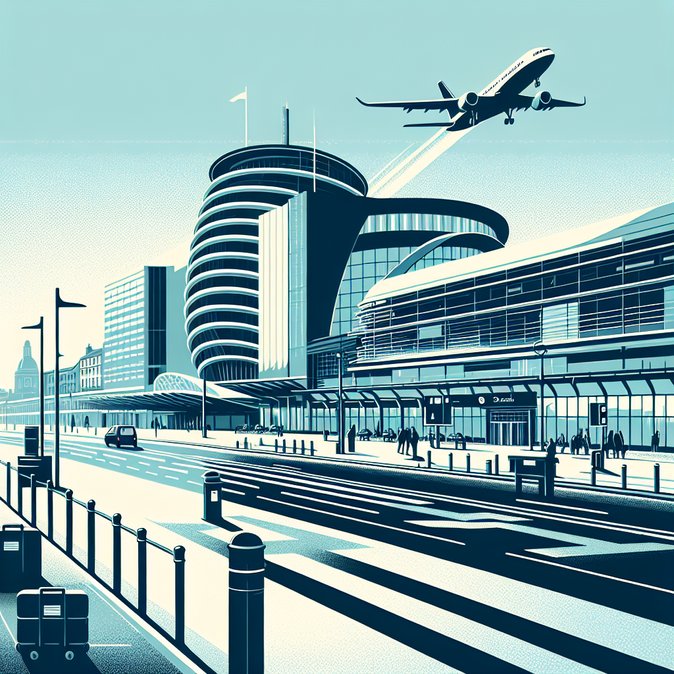
For global mobility managers the dispute carries practical consequences. If the cap is re-enforced, daa may have to ration slots for the summer 2027 season, prompting fare increases and reduced seat availability on key corporate routes to London, New York and the Middle East. Multinationals with Irish operations should therefore lock in 2026 travel budgets early and monitor the legal timetable, as any injunction could land mid-booking cycle.
In the long term, daa is campaigning for a phased terminal and pier expansion that would lift capacity toward 40 million without a new runway. However, even an expedited planning process would mean no extra gates before 2029. Until then, corporates may need to diversify entry points, using Shannon or Belfast as alternates when conferences coincide with peak leisure flows.
The record also amplifies calls for improved surface access. With just over half of passengers now arriving by public transport, Dublin’s metro link – approved but still unfunded – is being presented as critical infrastructure for Ireland to remain competitive in attracting mobile talent and FDI.