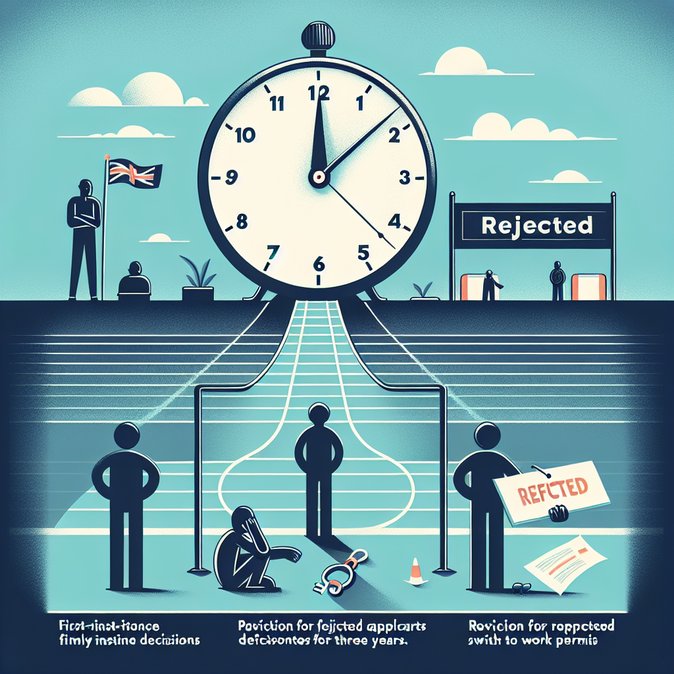
The Department of Justice this week published the draft International Protection Bill 2026, the biggest overhaul of Ireland’s asylum system in two decades. Announced on 15 January, the legislation transposes key elements of the EU Pact on Migration and Asylum and promises “fair, firm and fast” decision-making. Processing times — which currently average 18 months for a first-instance decision — would be cut to six months by introducing a single-procedure model, stricter admissibility checks at the point of application and expanded use of remote interviewing technology. (gov.ie)
A headline provision bars newly-recognised refugees from applying for family reunification for three years and requires proof of financial self-sufficiency. Ministers argue the change will deter secondary movement within the EU and reduce the €700 million annual accommodation bill, but NGOs say it will keep families apart and push more people into irregular status.
For employers, the Bill offers two tangible benefits. First, faster decisions should shrink the cohort of applicants in Direct Provision and make it easier for recognised refugees to enter the labour market sooner. Second, the new rules clarify that those refused protection but holding job offers in designated shortage occupations may transition directly to an Employment Permit, reducing skills-loss and administrative churn.
![Government Publishes International Protection Bill 2026 to Speed Up Asylum Decisions]()
To help both individuals and organisations adapt to these impending changes, VisaHQ offers streamlined visa and immigration services, including guidance on Irish entry requirements, biometric enrolment and transition pathways to work permits. Their Ireland portal (https://www.visahq.com/ireland/) provides real-time updates and personalised support, ensuring applications remain compliant as the new rules take effect.
Once enacted, the legislation will establish an Asylum Appeals Authority with quasi-judicial powers and a 10-day deadline for filing appeals, bringing Ireland into line with EU time-limits. It will also mandate biometric enrolment for all applicants, paving the way for integration with the EU Entry/Exit System due in October 2025.
Stakeholders have until 28 February to submit comments. Companies relying on international talent should consider supporting measures that speed decisions while safeguarding integration pathways, particularly access to family reunification after initial settlement.
A headline provision bars newly-recognised refugees from applying for family reunification for three years and requires proof of financial self-sufficiency. Ministers argue the change will deter secondary movement within the EU and reduce the €700 million annual accommodation bill, but NGOs say it will keep families apart and push more people into irregular status.
For employers, the Bill offers two tangible benefits. First, faster decisions should shrink the cohort of applicants in Direct Provision and make it easier for recognised refugees to enter the labour market sooner. Second, the new rules clarify that those refused protection but holding job offers in designated shortage occupations may transition directly to an Employment Permit, reducing skills-loss and administrative churn.

To help both individuals and organisations adapt to these impending changes, VisaHQ offers streamlined visa and immigration services, including guidance on Irish entry requirements, biometric enrolment and transition pathways to work permits. Their Ireland portal (https://www.visahq.com/ireland/) provides real-time updates and personalised support, ensuring applications remain compliant as the new rules take effect.
Once enacted, the legislation will establish an Asylum Appeals Authority with quasi-judicial powers and a 10-day deadline for filing appeals, bringing Ireland into line with EU time-limits. It will also mandate biometric enrolment for all applicants, paving the way for integration with the EU Entry/Exit System due in October 2025.
Stakeholders have until 28 February to submit comments. Companies relying on international talent should consider supporting measures that speed decisions while safeguarding integration pathways, particularly access to family reunification after initial settlement.