
Antigua and Barbuda customs
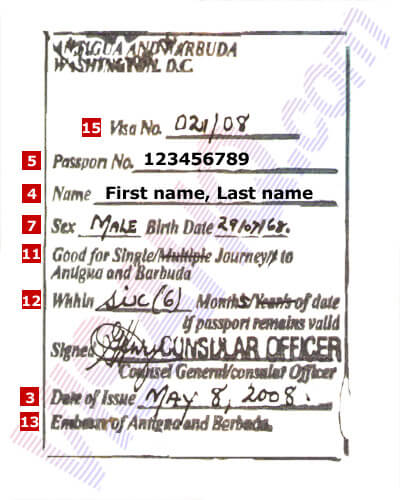
Apply for visa
Free import
• For travelers aged 18 or older: 200 cigarettes or 50 cigars or 250 g of tobacco.
• For travelers aged 18 or older: 1 L of spirits and 1 L of wine.
• 170 ml (6 oz) of perfume.
• Personal effects for your own use during your stay, including clothing and jewelry.
• Goods above the duty-free allowances, and anything that may be prohibited, must be declared to customs on arrival. Duty is charged on the excess.
Currency
• There is no limit on the amount of local (Eastern Caribbean dollar, XCD) or foreign currency you may bring in.
• Cash and negotiable instruments (such as travelers' checks) worth USD 10,000 or more in total, or the equivalent in other currencies, must be reported to a customs officer on arrival on the official cross-border currency form. Not reporting can lead to a fine of up to XCD 50,000, up to 2 years in prison and confiscation of the money.
Prohibited
• Illegal drugs, and pipes or other utensils for smoking or preparing them
• Firearms disguised as other objects (for example, pistols made to look like pens)
• Camouflage clothing and items resembling military uniforms, accessories or decorations, unless approved by the Defence Board. Customs may seize them.
• Pit bull dogs and pit bull mixes
• Goods whose import is banned by other Antigua and Barbuda laws
Restricted
• Firearms and ammunition need a Firearm Import Permit from the Commissioner of Police, granted only for a good reason. Every arriving passenger must declare any firearms or ammunition; without a permit, they must stay on board the ship or aircraft or be handed over to customs.
• Tear gas needs written authority from the Commissioner of Police.
• Gaming machines and other devices for games of chance need the approval of the Comptroller of Customs and Excise.
• Plants and plant products (including seeds, cuttings, fresh fruit and vegetables, cut flowers and wood products) need an import permit from the Plant Protection Division of the Ministry of Agriculture, applied for at least 2 weeks in advance, and a phytosanitary certificate from the country of export.
• Cats and dogs need a veterinary import license from the Veterinary and Livestock Division (email [email protected], phone/fax +1 268 460 1759); apply at least 2 weeks before travel. Pets from countries with rabies, such as the USA and Canada, need a microchip, a current annual rabies vaccination, a rabies antibody (FAVN) titer test from an approved laboratory and full medical and vaccination records. All pets need an official government health certificate issued no more than 7 days before travel and treatment for internal and external parasites within 7 days of departure. Tell the Division your arrival time at least 72 hours in advance; an inspection fee is charged on arrival.
• Other live animals, meat and animal products need an import license from the Veterinary and Livestock Division.
• Endangered species of plants and animals and products made from them need CITES permits.