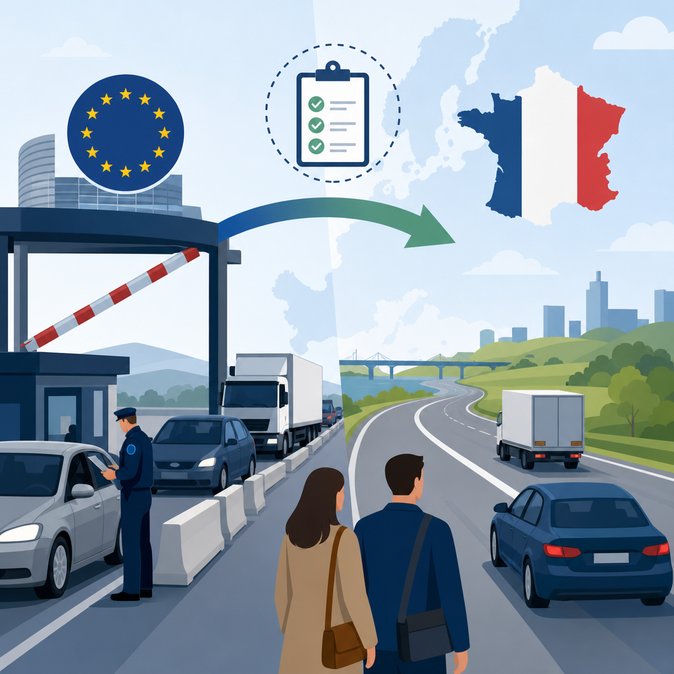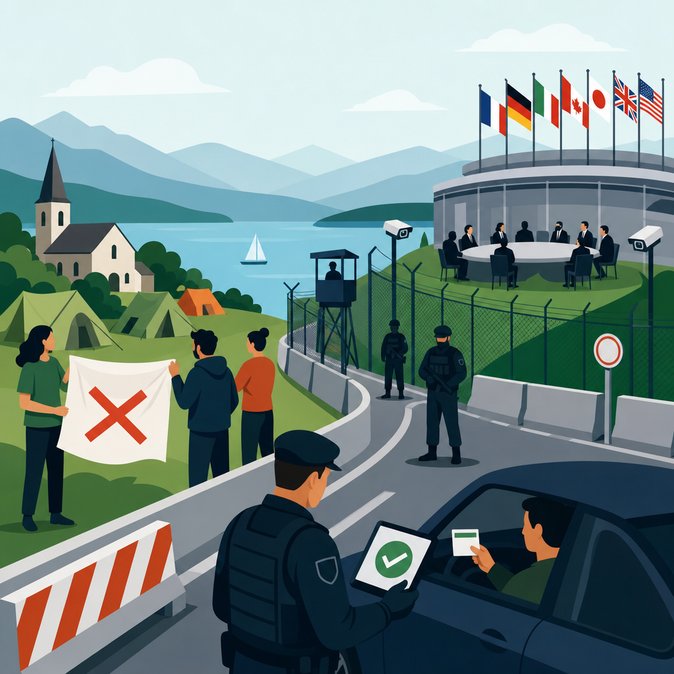
With barely two weeks to go before the G7 leaders arrive in Évian-les-Bains, the French anti-G7 coalition announced on 2 June that it is abandoning plans for a “No G7” village in the nearby town of Annemasse. The organisers say the Haute-Savoie prefecture imposed “unrealistic” security requirements – including crowd-control fencing, private fire-safety teams and real-time attendee lists – that made the event financially and logistically impossible.
![Counter-summit cancelled as security perimeter tightens ahead of G7 in Évian]()
For travelers who still need to sort out last-minute entry requirements, VisaHQ can streamline the process with fast, online assistance for French and other Schengen visas; dedicated agents are also on hand to advise on supporting documents that local authorities may demand during the summit period. Full details are available at https://www.visahq.com/france/
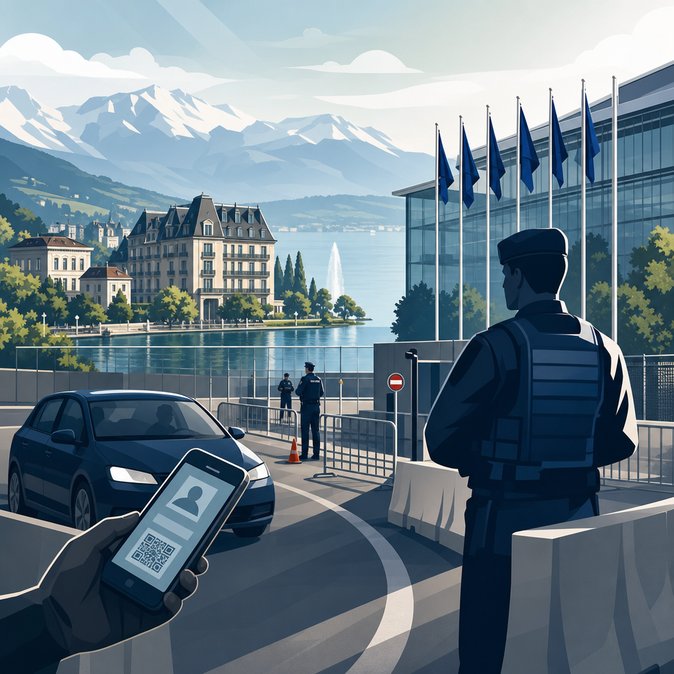
The cancellation adds to the patchwork of mobility restrictions already in place. The prefecture opened an online portal last month for the mandatory digital Pass G7, a QR code that residents, workers and suppliers must present to enter the red and blue security zones from 10 to 17 June. Roads around the lakeside resort will see rolling closures, while Geneva airport has issued NOTAMs warning of temporary flight‐restriction (TFR) corridors for VIP movements. For businesses the immediate impact is twofold. First, corporate shuttles and logistics providers serving the Franco-Swiss Léman region will face permit checks at multiple roadblocks. Second, hotels in Lausanne and Geneva report occupancy rates above 90 %, forcing late-booking executives to consider Lyon or even Milan for overnight stays. The demise of the protest village may reduce the risk of spontaneous marches on the French side, but Swiss authorities confirm that rallies will proceed in Geneva on 14 June, potentially spilling over to the border at Moillesulaz. Travel-risk consultants recommend that companies reschedule non-essential trips to Évian, Thonon or Geneva during the summit window, reroute HGV traffic via Bourg-en-Bresse, and ensure that all local staff and visitors apply for the Pass G7 well before the 7 June processing cut-off. Employees using personal vehicles should print the QR code as a back-up: experience from last year’s Rugby World Cup fan zones showed that cellular data can be spotty around major security cordons. Although the prefecture has pledged to keep the Mont Blanc Tunnel open, it warns that random checks may cause delays. Firms with time-critical cross-border operations ‑ notably pharma labs in the “Health Valley” corridor – are advised to build at least two extra hours of transit buffer into delivery schedules from 12 June onwards.
For travelers who still need to sort out last-minute entry requirements, VisaHQ can streamline the process with fast, online assistance for French and other Schengen visas; dedicated agents are also on hand to advise on supporting documents that local authorities may demand during the summit period. Full details are available at https://www.visahq.com/france/
The cancellation adds to the patchwork of mobility restrictions already in place. The prefecture opened an online portal last month for the mandatory digital Pass G7, a QR code that residents, workers and suppliers must present to enter the red and blue security zones from 10 to 17 June. Roads around the lakeside resort will see rolling closures, while Geneva airport has issued NOTAMs warning of temporary flight‐restriction (TFR) corridors for VIP movements. For businesses the immediate impact is twofold. First, corporate shuttles and logistics providers serving the Franco-Swiss Léman region will face permit checks at multiple roadblocks. Second, hotels in Lausanne and Geneva report occupancy rates above 90 %, forcing late-booking executives to consider Lyon or even Milan for overnight stays. The demise of the protest village may reduce the risk of spontaneous marches on the French side, but Swiss authorities confirm that rallies will proceed in Geneva on 14 June, potentially spilling over to the border at Moillesulaz. Travel-risk consultants recommend that companies reschedule non-essential trips to Évian, Thonon or Geneva during the summit window, reroute HGV traffic via Bourg-en-Bresse, and ensure that all local staff and visitors apply for the Pass G7 well before the 7 June processing cut-off. Employees using personal vehicles should print the QR code as a back-up: experience from last year’s Rugby World Cup fan zones showed that cellular data can be spotty around major security cordons. Although the prefecture has pledged to keep the Mont Blanc Tunnel open, it warns that random checks may cause delays. Firms with time-critical cross-border operations ‑ notably pharma labs in the “Health Valley” corridor – are advised to build at least two extra hours of transit buffer into delivery schedules from 12 June onwards.