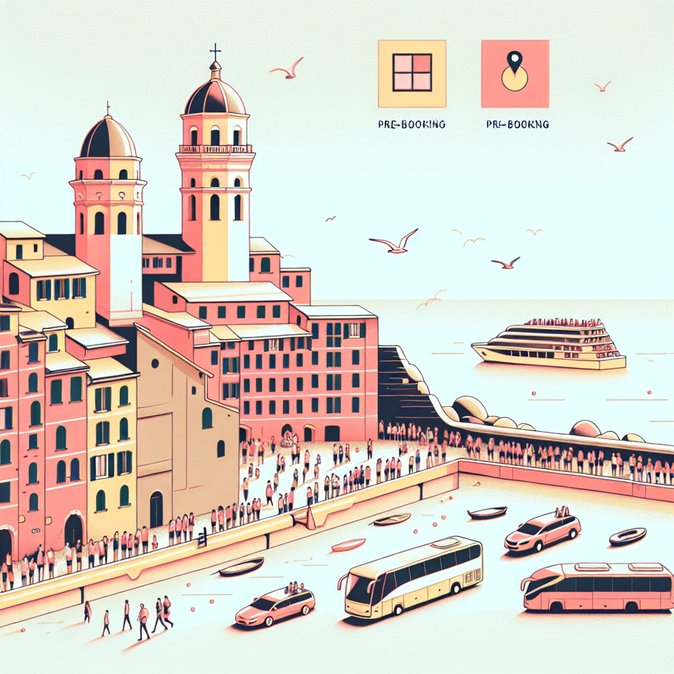
The tiny fishing village of Vernazza, jewel of Liguria’s UNESCO-listed Cinque Terre, is taking matters into its own hands after another record spring weekend left narrow carrugi crammed with organised tour parties. At a council meeting on 12 May, Mayor Marco Fenelli presented a by-law that would: 1) cap groups at 25 people; 2) oblige parties larger than ten to use wireless headsets instead of loudspeakers; and 3) impose stricter parking limits for coaches dropping visitors in nearby La Spezia.
![Cinque Terre’s Vernazza Moves to Cap Tour Groups Amid Overtourism Concerns]()
Whether you’re recalibrating a group itinerary or simply planning a weekend getaway, VisaHQ can smooth the practicalities of entering Italy. Its dedicated portal (https://www.visahq.com/italy/) offers real-time visa requirements, document checklists and application support, saving travellers and tour planners alike from administrative headaches before they even reach the Cinque Terre.
A final vote is expected later this week, with enforcement slated for 1 January 2027. The proposal mirrors measures introduced this spring by neighbouring Riomaggiore, where limits on group size and timed entry windows over Easter reduced pedestrian congestion by an estimated 18 %, according to local police. Vernazza’s ordinance would empower municipal stewards to issue on-the-spot fines of €300–€500 for breaches and, in serious cases, revoke tour-operator permits for up to one year. For the travel industry the message is clear: group itineraries will need to be redesigned well in advance. Destination-management companies (DMCs) and cruise lines, whose shore excursions frequently bus thousands of passengers to the Cinque Terre in a single morning, will have to pre-register slot allocations. SMEs that rely on day-trippers—gelaterie, souvenir shops, family-run trattorie—face the paradox of fewer visitors but potentially higher-spending, better-distributed traffic. Local residents’ associations have broadly welcomed the move, citing night-time noise and crowding on commuter trains. Regional tourism board Ente Turismo Liguria, however, warns that without an integrated ticketing system the rules could simply displace crowds to neighbouring villages or drive more travellers onto informal, unregulated boat tours. From a global-mobility perspective, multinationals that rotate staff through Italian postings—particularly those housing expatriates in Genoa, La Spezia or Milan—should brief employees and visiting executives on the coming restrictions. While business travel is unlikely to be barred, access windows, parking availability and last-mile transfers will change, adding time and cost to incentive trips or client visits that include the Cinque Terre.
Whether you’re recalibrating a group itinerary or simply planning a weekend getaway, VisaHQ can smooth the practicalities of entering Italy. Its dedicated portal (https://www.visahq.com/italy/) offers real-time visa requirements, document checklists and application support, saving travellers and tour planners alike from administrative headaches before they even reach the Cinque Terre.
A final vote is expected later this week, with enforcement slated for 1 January 2027. The proposal mirrors measures introduced this spring by neighbouring Riomaggiore, where limits on group size and timed entry windows over Easter reduced pedestrian congestion by an estimated 18 %, according to local police. Vernazza’s ordinance would empower municipal stewards to issue on-the-spot fines of €300–€500 for breaches and, in serious cases, revoke tour-operator permits for up to one year. For the travel industry the message is clear: group itineraries will need to be redesigned well in advance. Destination-management companies (DMCs) and cruise lines, whose shore excursions frequently bus thousands of passengers to the Cinque Terre in a single morning, will have to pre-register slot allocations. SMEs that rely on day-trippers—gelaterie, souvenir shops, family-run trattorie—face the paradox of fewer visitors but potentially higher-spending, better-distributed traffic. Local residents’ associations have broadly welcomed the move, citing night-time noise and crowding on commuter trains. Regional tourism board Ente Turismo Liguria, however, warns that without an integrated ticketing system the rules could simply displace crowds to neighbouring villages or drive more travellers onto informal, unregulated boat tours. From a global-mobility perspective, multinationals that rotate staff through Italian postings—particularly those housing expatriates in Genoa, La Spezia or Milan—should brief employees and visiting executives on the coming restrictions. While business travel is unlikely to be barred, access windows, parking availability and last-mile transfers will change, adding time and cost to incentive trips or client visits that include the Cinque Terre.