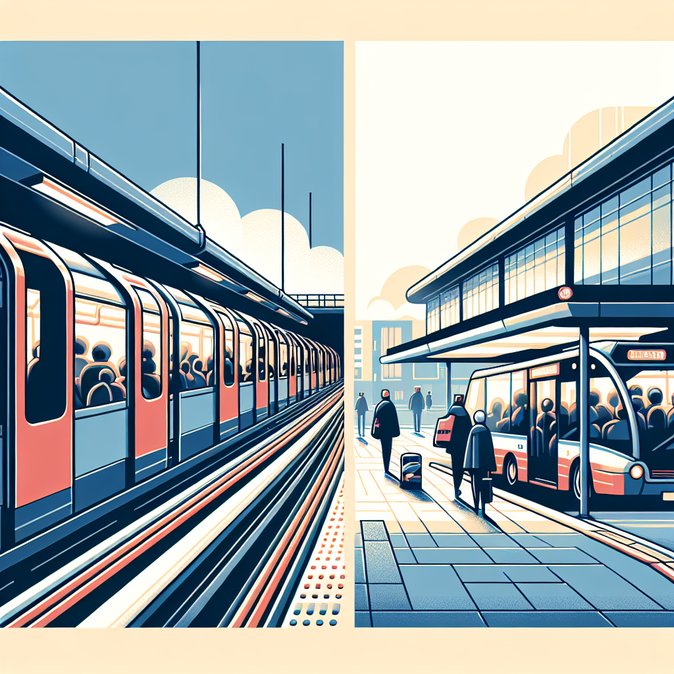
Transport for London (TfL) has warned travellers to brace for another wave of disruption as Rail, Maritime & Transport (RMT) union drivers plan two 24-hour strikes on 19 and 21 May. Services will begin winding down late morning on each strike day, with knock-on delays likely to last into the following evenings. Although the Elizabeth Line, DLR, Overground and buses will operate, TfL expects them to be exceptionally busy.
![London commuters face fresh 24-hour Tube walk-outs next week]()
For overseas employees who may now be rethinking arrival or departure dates, VisaHQ (https://www.visahq.com/united-kingdom/) can streamline any necessary changes to entry documents or visa renewals, ensuring that sudden schedule adjustments caused by the strikes don’t cascade into immigration headaches. Their online platform and concierge team can fast-track UK visa applications, courier passports, and keep travellers informed of real-time consulate processing times—all services that dovetail neatly with the contingency planning companies are already having to devise.
April’s walk-outs saw some bus routes running at standing-room-only capacity and ride-hail prices surge by more than 60 % during peak hours, according to mobility-data firm Fenix. Employers with time-critical operations—airline crews transferring via Paddington, conference organisers in Docklands, financial traders in Canary Wharf—are being urged to activate remote-working or hotel-staying contingencies. The dispute centres on management proposals to let drivers opt into a compressed four-day, 35-hour week. The RMT argues that—because shifts would lengthen—fatigue and safety risks would rise, while TfL insists the pilot is voluntary and modernises rostering. Unless a deal is struck, further strikes are slated for 16–19 June, overlapping with the UEFA Euro 2026 tournament and the summer peak for inbound business travel. Practical tips: (1) ticketed business travellers arriving at Heathrow and City Airport should pre-book private transfers or National Rail where possible; (2) assignees on Global Mobility policies should keep receipts for additional transport costs, which may be claimable; (3) mobility managers should circulate TfL Journey Planner links and advise visitors to avoid interchanges such as Oxford Circus and King’s Cross during rush hour. For international HR teams, the industrial action is a reminder to include domestic transport resilience in assignment risk assessments—particularly for London, where commuting reliability can materially affect project timelines and assignee satisfaction.

For overseas employees who may now be rethinking arrival or departure dates, VisaHQ (https://www.visahq.com/united-kingdom/) can streamline any necessary changes to entry documents or visa renewals, ensuring that sudden schedule adjustments caused by the strikes don’t cascade into immigration headaches. Their online platform and concierge team can fast-track UK visa applications, courier passports, and keep travellers informed of real-time consulate processing times—all services that dovetail neatly with the contingency planning companies are already having to devise.
April’s walk-outs saw some bus routes running at standing-room-only capacity and ride-hail prices surge by more than 60 % during peak hours, according to mobility-data firm Fenix. Employers with time-critical operations—airline crews transferring via Paddington, conference organisers in Docklands, financial traders in Canary Wharf—are being urged to activate remote-working or hotel-staying contingencies. The dispute centres on management proposals to let drivers opt into a compressed four-day, 35-hour week. The RMT argues that—because shifts would lengthen—fatigue and safety risks would rise, while TfL insists the pilot is voluntary and modernises rostering. Unless a deal is struck, further strikes are slated for 16–19 June, overlapping with the UEFA Euro 2026 tournament and the summer peak for inbound business travel. Practical tips: (1) ticketed business travellers arriving at Heathrow and City Airport should pre-book private transfers or National Rail where possible; (2) assignees on Global Mobility policies should keep receipts for additional transport costs, which may be claimable; (3) mobility managers should circulate TfL Journey Planner links and advise visitors to avoid interchanges such as Oxford Circus and King’s Cross during rush hour. For international HR teams, the industrial action is a reminder to include domestic transport resilience in assignment risk assessments—particularly for London, where commuting reliability can materially affect project timelines and assignee satisfaction.