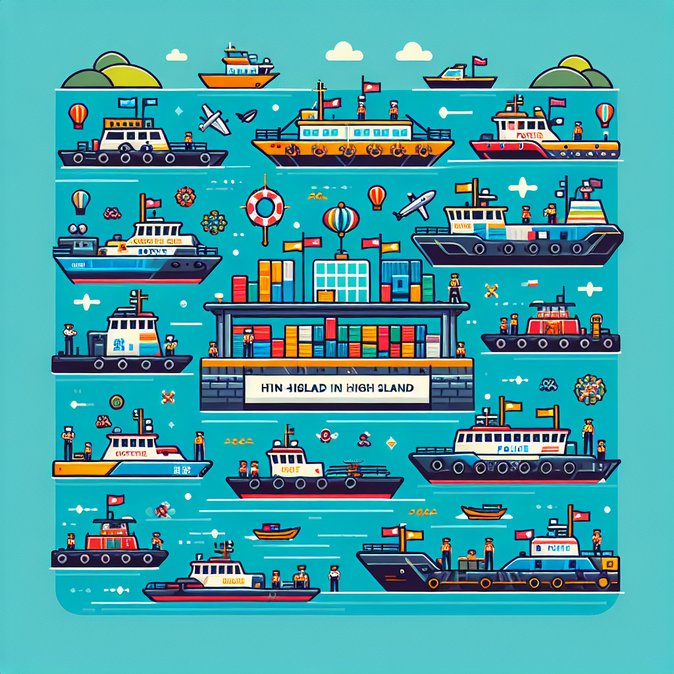
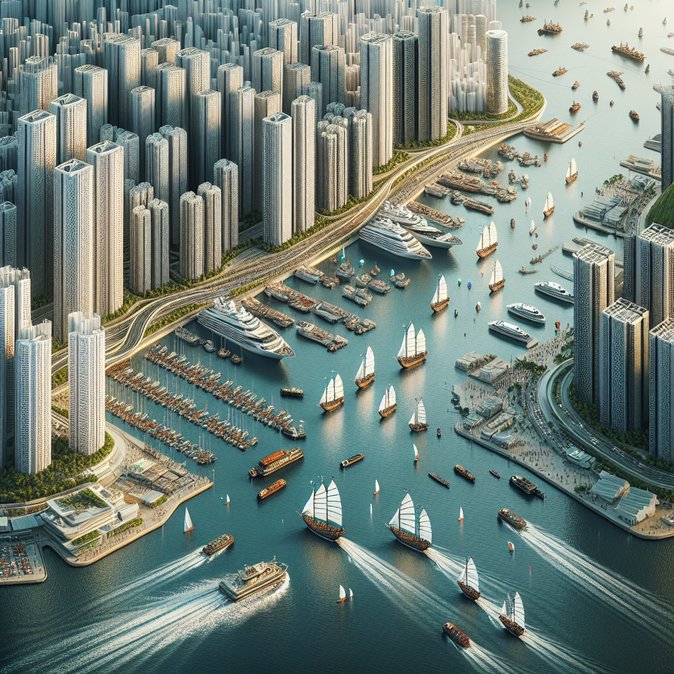
Hong Kong’s Marine Department has issued Notice No. 82/2026 advising shipping lines, ferry operators and private craft owners that a 15-vessel flotilla will stage a sea parade off High Island from 12:00–15:00 on 8 May as part of the annual Tin Hau Festival celebrations. Patrol launches from the Marine Department and Marine Police will escort the procession, which will depart Leung Shuen Wan Pier, follow the coastline past Town Island and return along the same route. While the parade itself is short, the department has urged all commercial and recreational traffic to avoid the area, proceed at safe speed and obey on-scene instructions. For water-based tourism operators running dolphin-watching trips or junk charters to Sai Kung and the eastern reaches of Port Shelter, the three-hour closure comes at the start of the busy Mother’s Day weekend and may require itinerary adjustments or refunds. Logistics providers moving construction materials or provisions by barge to High Island Reservoir worksites have likewise been told to factor in possible delays. The notice underscores a broader trend: since Hong Kong reopened fully to visitors in early 2024, festival-related harbour events have returned at scale, adding welcome vibrancy but also operational complexity for passenger transport and supply-chain planners.
![Tin Hau Festival Sea Parade Triggers Temporary Marine Restrictions in Hong Kong]()
Should any of your crew members, visiting technicians or corporate guests need updated entry documentation to align with revised itineraries, VisaHQ’s Hong Kong desk can fast-track visas and travel permits for more than 200 nationalities, often in as little as 48 hours. Their online platform (https://www.visahq.com/hong-kong/) centralises requirements, forms and courier tracking, so mobility coordinators can adjust paperwork as fluidly as parade-day sailing plans.
Employers scheduling expatriate team-building junk outings or client hospitality cruises this summer should review the city’s online Marine Notices calendar, which lists more than 20 cultural regattas between now and October. Practically, companies with tight delivery windows can apply for priority berthing slots at Hei Ling Chau Public Cargo Working Area or divert via Tseung Kwan O Industrial Pier, though throughput charges are higher. Crew transfer agents are reminding shipowners to monitor VHF Channel 12 for live instructions on parade day. The Marine Department’s e-Channel app also pushes push-notification alerts that mobility managers can share with travellers in real time. For global mobility teams, the episode is another reminder that “soft” cultural events can have “hard” impacts on travel and freight schedules. Building local festival calendars into risk assessments—just as one would typhoon season or runway maintenance—helps avoid costly last-minute rerouting of staff and cargo.
Should any of your crew members, visiting technicians or corporate guests need updated entry documentation to align with revised itineraries, VisaHQ’s Hong Kong desk can fast-track visas and travel permits for more than 200 nationalities, often in as little as 48 hours. Their online platform (https://www.visahq.com/hong-kong/) centralises requirements, forms and courier tracking, so mobility coordinators can adjust paperwork as fluidly as parade-day sailing plans.
Employers scheduling expatriate team-building junk outings or client hospitality cruises this summer should review the city’s online Marine Notices calendar, which lists more than 20 cultural regattas between now and October. Practically, companies with tight delivery windows can apply for priority berthing slots at Hei Ling Chau Public Cargo Working Area or divert via Tseung Kwan O Industrial Pier, though throughput charges are higher. Crew transfer agents are reminding shipowners to monitor VHF Channel 12 for live instructions on parade day. The Marine Department’s e-Channel app also pushes push-notification alerts that mobility managers can share with travellers in real time. For global mobility teams, the episode is another reminder that “soft” cultural events can have “hard” impacts on travel and freight schedules. Building local festival calendars into risk assessments—just as one would typhoon season or runway maintenance—helps avoid costly last-minute rerouting of staff and cargo.