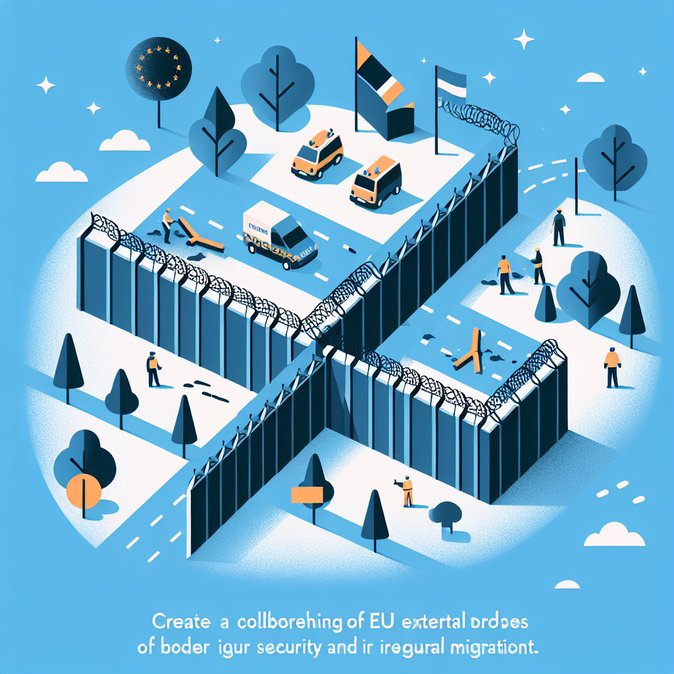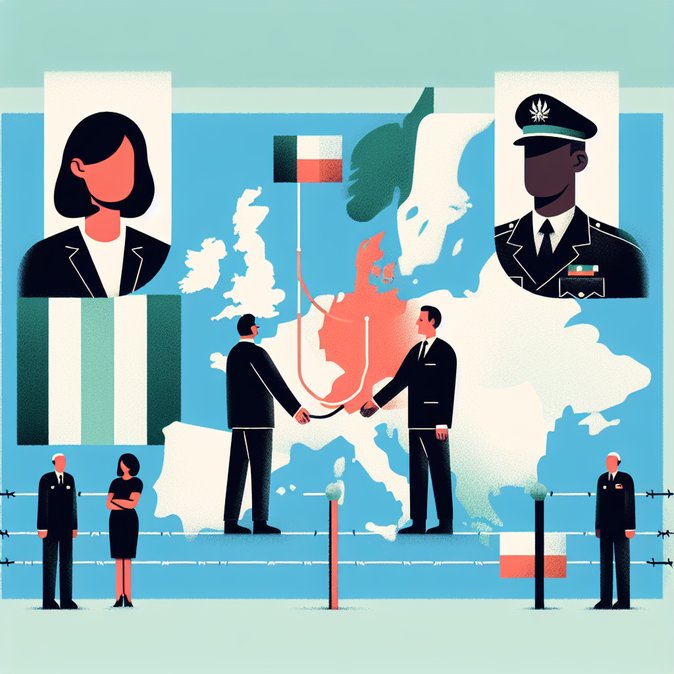
During a televised press conference at Palazzo Chigi on 7 May, Prime Minister Giorgia Meloni praised Poland for being “in the front line defending the European Union’s external borders from irregular migration,” standing alongside Polish Prime Minister Donald Tusk. Meloni framed Poland’s border deployments as a collective security service that protects all EU members, including Italy. The statement comes as Italy wrestles with a sharp rise in boat arrivals via the Central Mediterranean and continues to maintain temporary controls at the land border with Slovenia. By publicly aligning with Warsaw—traditionally hawkish on migration—Meloni is signalling Rome’s support for tougher external-border enforcement and for more EU resources for front-line states. For employers moving talent into or through Italy, the political message matters because it foreshadows operational measures. Similar rhetoric in the past has preceded short-notice ID checks on trains entering Italy from Slovenia and Austria and ad-hoc police patrols at Milan’s main stations.
![Meloni thanks Poland for guarding EU’s external frontier in joint press conference with Tusk]()
To help businesses and travellers stay ahead of any sudden documentation changes, VisaHQ offers real-time guidance and expedited visa and residence-permit support for Italy. Their platform tracks policy shifts like the ones outlined above and streamlines applications so assignees can obtain the right paperwork quickly and confidently. Find out more at https://www.visahq.com/italy/
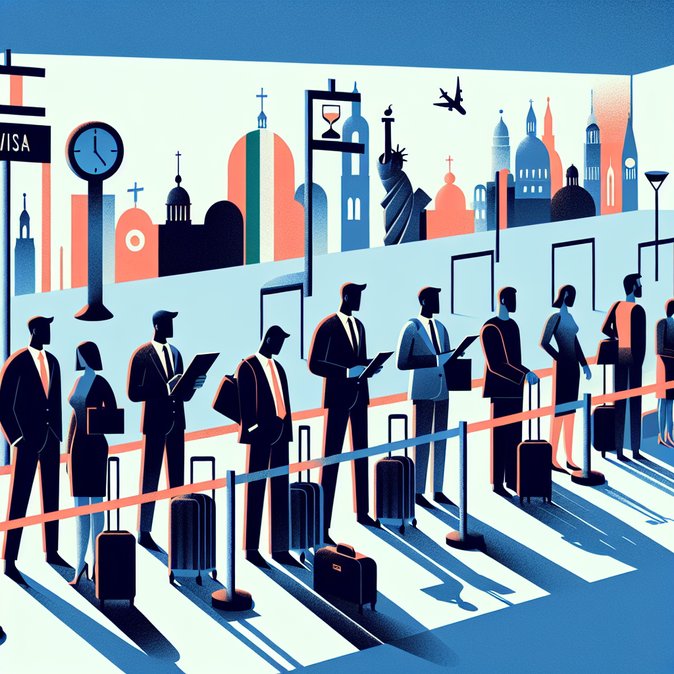
While business travellers are rarely targeted, sporadic controls can lengthen journey times and create documentation traps for non-EU assignees who forget to carry residence permits. The Meloni–Tusk optics also feed into negotiations on the EU Entry/Exit System (EES) fine-tuning. Italy has lobbied for flexibility to suspend biometric kiosks when queues exceed 45 minutes—a request echoed by Poland and Greece. Mobility teams should watch for joint Italian-Polish initiatives in Brussels that could alter EES operating rules before the peak summer season. In practical terms, companies should brief travellers transiting land borders to carry passports and residence cards even on normally control-free Schengen legs and should keep itineraries flexible enough to absorb random checks or temporary train diversions.
To help businesses and travellers stay ahead of any sudden documentation changes, VisaHQ offers real-time guidance and expedited visa and residence-permit support for Italy. Their platform tracks policy shifts like the ones outlined above and streamlines applications so assignees can obtain the right paperwork quickly and confidently. Find out more at https://www.visahq.com/italy/
While business travellers are rarely targeted, sporadic controls can lengthen journey times and create documentation traps for non-EU assignees who forget to carry residence permits. The Meloni–Tusk optics also feed into negotiations on the EU Entry/Exit System (EES) fine-tuning. Italy has lobbied for flexibility to suspend biometric kiosks when queues exceed 45 minutes—a request echoed by Poland and Greece. Mobility teams should watch for joint Italian-Polish initiatives in Brussels that could alter EES operating rules before the peak summer season. In practical terms, companies should brief travellers transiting land borders to carry passports and residence cards even on normally control-free Schengen legs and should keep itineraries flexible enough to absorb random checks or temporary train diversions.