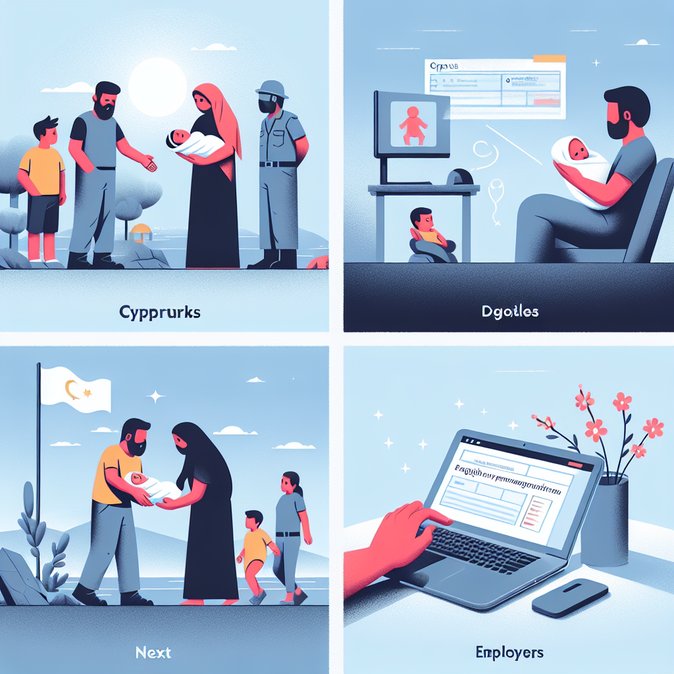
Caritas Cyprus’ Community Compass portal published a step-by-step checklist on 5 May detailing the documents parents must file when a child is born while their asylum claim is pending. Although aimed at individual migrants, the guidance is equally valuable to global mobility teams supporting humanitarian workers and expatriates who accompany refugee populations. Under the procedure, parents must first secure a Cypriot birth certificate, then obtain an Alien Registration Certificate (ARC) and a Confirmation Letter from the Asylum Service—documents that enable the newborn to access health care and, where applicable, social-welfare payments.
![New Guidance Clarifies Paperwork for Babies Born to Asylum Seekers in Cyprus]()
For employers or individuals needing additional support with Cyprus immigration procedures, VisaHQ’s dedicated Cyprus page (https://www.visahq.com/cyprus/) offers up-to-date guidance, application tools and concierge assistance for everything from entry visas to residence permits; the platform can be a useful complement to the Caritas checklist, letting HR managers pre-screen document requirements and track submissions in real time.
The article clarifies grey areas, such as cases where one parent is an EU national (no ARC needed) or where the primary claim has been rejected but an appeal is ongoing. Why does this matter for business? NGOs, international organisations and some private-sector contractors employ staff whose dependants may fall into these categories. Failure to navigate the paperwork can expose employers to compliance risks, including breaches of duty-of-care obligations and potential fines for unregistered residents. The post also hints at upcoming digitalisation: the Migration Department is piloting an online portal that will allow parents to upload supporting documents remotely, reducing in-person queues at Nicosia’s over-burdened immigration offices. Once live—expected Q3 2026—corporate HR teams will be able to track case status via API, streamlining mobility administration. For now, Caritas recommends initiating the process within ten days of birth and coordinating with social workers to ensure welfare payments are adjusted promptly. Companies providing private health cover should verify that policies remain valid until official asylum status is extended to the child.

For employers or individuals needing additional support with Cyprus immigration procedures, VisaHQ’s dedicated Cyprus page (https://www.visahq.com/cyprus/) offers up-to-date guidance, application tools and concierge assistance for everything from entry visas to residence permits; the platform can be a useful complement to the Caritas checklist, letting HR managers pre-screen document requirements and track submissions in real time.
The article clarifies grey areas, such as cases where one parent is an EU national (no ARC needed) or where the primary claim has been rejected but an appeal is ongoing. Why does this matter for business? NGOs, international organisations and some private-sector contractors employ staff whose dependants may fall into these categories. Failure to navigate the paperwork can expose employers to compliance risks, including breaches of duty-of-care obligations and potential fines for unregistered residents. The post also hints at upcoming digitalisation: the Migration Department is piloting an online portal that will allow parents to upload supporting documents remotely, reducing in-person queues at Nicosia’s over-burdened immigration offices. Once live—expected Q3 2026—corporate HR teams will be able to track case status via API, streamlining mobility administration. For now, Caritas recommends initiating the process within ten days of birth and coordinating with social workers to ensure welfare payments are adjusted promptly. Companies providing private health cover should verify that policies remain valid until official asylum status is extended to the child.