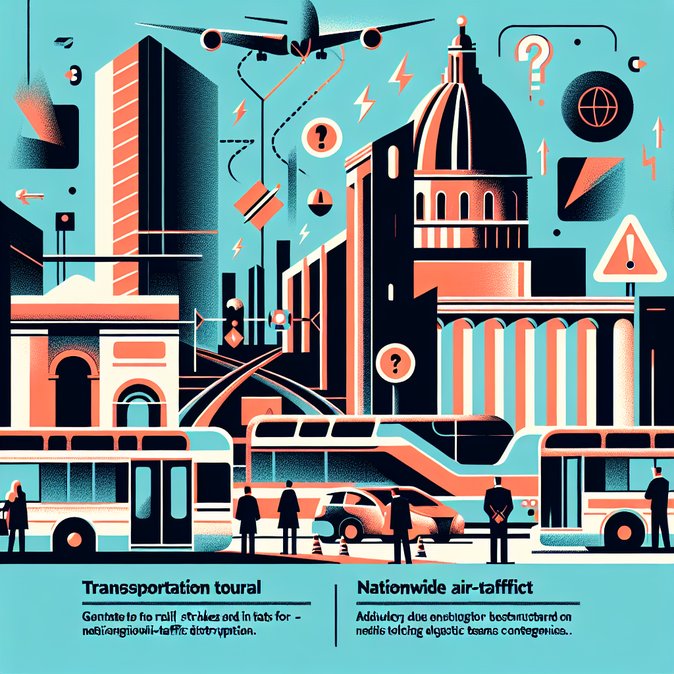
Italy faces a new wave of industrial action that threatens both commuter and international travel. On 4 and 5 May, catering staff on Trenitalia’s high-speed services, shunting crews at Mercitalia in Milan and maintenance engineers at Rete Ferroviaria Italiana in Florence are staging staggered stoppages of up to eight hours.
![Rail strikes hit Milan and Florence today; nationwide aviation walk-out set for 11 May ‘black day’]()
Travelers caught up in the resulting timetable shuffle may also need to adjust visa or passport plans at short notice. VisaHQ’s online portal (https://www.visahq.com/italy/) lets users verify entry requirements for Italy and dozens of onward destinations, lodge urgent applications and track real-time processing from any device—an extra layer of certainty when strikes threaten to upend even the best-laid itineraries.
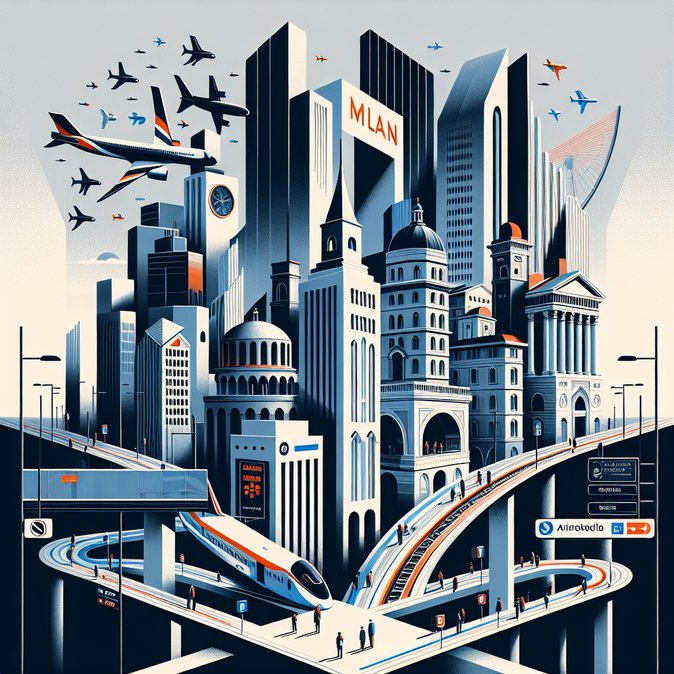
While the trains themselves will run, passengers can expect reduced on-board services, delays in freight dispatch and possible signalling slow-downs. The bigger headache looms next week. Unions representing ENAV air-traffic controllers, airport ground-handlers and easyJet cabin crew have called coordinated strikes on Monday 11 May. Italian media have dubbed it a “black day” for aviation, with overlapping actions likely to disrupt Rome-Fiumicino, Milan-Malpensa, Naples and Palermo among others. EasyJet alone operates more than 180 departures that day. The Ministry of Infrastructure and Transport has published minimum-service guarantees, but business travellers should brace for cancellations and missed connections. Airlines will have 72 hours to re-file amended schedules; many are already offering free date changes. Companies operating just-in-time supply chains are being advised to shift critical freight moves to the days before the strikes or divert cargo via neighbouring countries. Mobility managers should monitor carrier bulletins and pre-book airport transfers with flexible cancellation terms.
Travelers caught up in the resulting timetable shuffle may also need to adjust visa or passport plans at short notice. VisaHQ’s online portal (https://www.visahq.com/italy/) lets users verify entry requirements for Italy and dozens of onward destinations, lodge urgent applications and track real-time processing from any device—an extra layer of certainty when strikes threaten to upend even the best-laid itineraries.
While the trains themselves will run, passengers can expect reduced on-board services, delays in freight dispatch and possible signalling slow-downs. The bigger headache looms next week. Unions representing ENAV air-traffic controllers, airport ground-handlers and easyJet cabin crew have called coordinated strikes on Monday 11 May. Italian media have dubbed it a “black day” for aviation, with overlapping actions likely to disrupt Rome-Fiumicino, Milan-Malpensa, Naples and Palermo among others. EasyJet alone operates more than 180 departures that day. The Ministry of Infrastructure and Transport has published minimum-service guarantees, but business travellers should brace for cancellations and missed connections. Airlines will have 72 hours to re-file amended schedules; many are already offering free date changes. Companies operating just-in-time supply chains are being advised to shift critical freight moves to the days before the strikes or divert cargo via neighbouring countries. Mobility managers should monitor carrier bulletins and pre-book airport transfers with flexible cancellation terms.