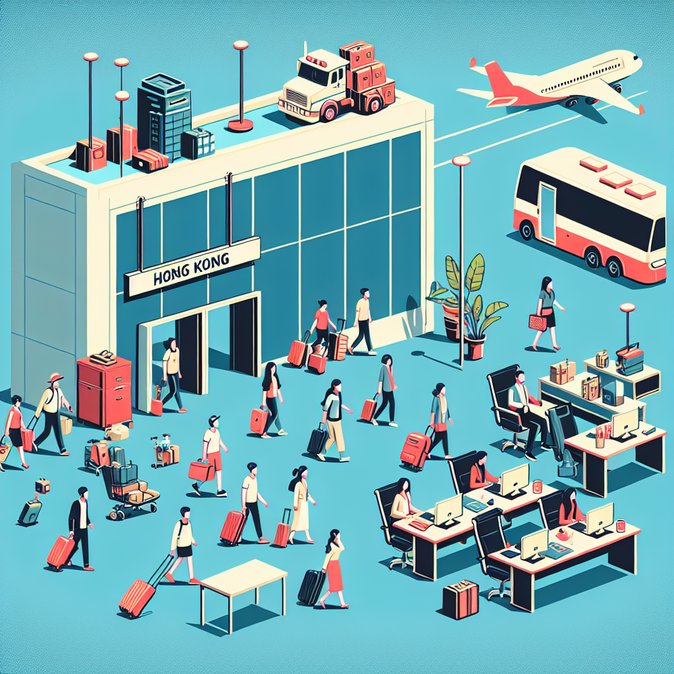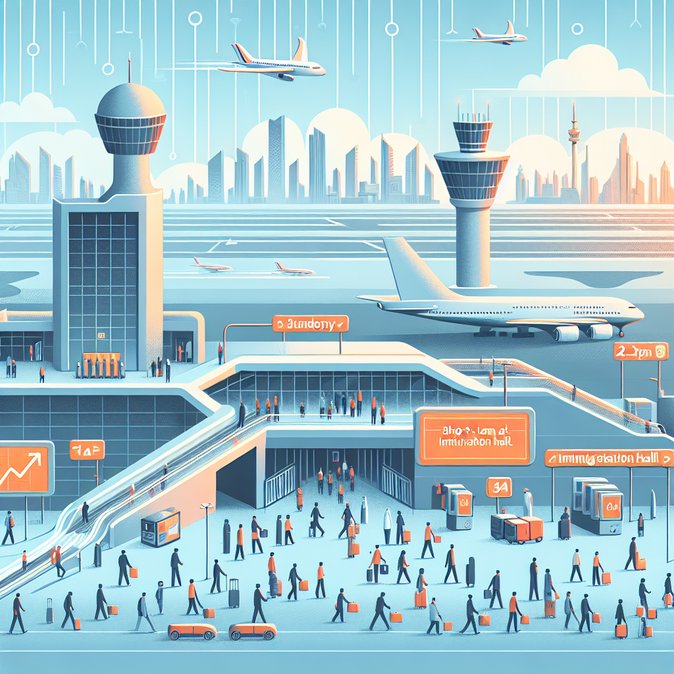
Hong Kong International Airport (HKIA) closed the first quarter on a high note, reporting that 5.68 million passengers passed through the hub in March 2026—an impressive 24 per cent jump compared with the same month a year earlier. Airport Authority Hong Kong (AAHK) credited the growth to pent-up leisure demand, a sharp rebound in corporate travel and the phased restoration of Cathay Pacific’s long-haul schedule. Four Hong Kong routes—London-Heathrow, Singapore, Bangkok and Taipei—now rank among the world’s ten busiest, underlining the territory’s regained status as Asia’s premier aviation gateway. The upbeat traffic data coincided with international recognition: HKIA was crowned “World’s Best Airport 2026” by the World Business Outlook Awards, edging out Doha, Changi and Istanbul in the service-quality stakes. Chief Executive Officer Vivian Cheung said the award validates HKIA’s heavy investment in biometric e-gates, contact-less security screening and the fully-automated baggage-handling system that came online late last year. The third-runway system, which became operational in late 2025, is also easing congestion and allowing airlines to add frequencies during peak hours. For global mobility teams, the numbers matter. More seat capacity and improved on-time performance make it easier to route assignees and business travellers through Hong Kong rather than regional rivals. Forward bookings for the June conference season are 18 per cent higher than 2023 levels, according to Global TPN. Multinationals expanding their Greater Bay Area footprint are once again treating Hong Kong as their regional crew-change and orientation point, reversing a pandemic-era shift to Seoul and Singapore. The airport’s growth could, however, create temporary immigration-hall bottlenecks. AAHK said it will open 20 additional e-gates for non-resident frequent visitors by mid-May and is trialling a “border-ready” mobile app that pre-checks passports and landing slips before arrival. Companies should encourage travellers to enrol in the Frequent Visitor e-Channel programme or ensure passports carry at least six months’ validity to avoid secondary screening delays.
![Hong Kong International Airport Passenger Traffic Surges; Named World’s Best Airport 2026]()
For visa and travel-document requirements, VisaHQ’s Hong Kong portal (https://www.visahq.com/hong-kong/) offers up-to-date guidance and fast processing for everything from single-entry business visas to long-term work permits. Outsourcing paperwork to VisaHQ lets mobility managers keep assignees focused on their objectives instead of queuing at consulates—a timely advantage as flights into HKIA continue to fill up.
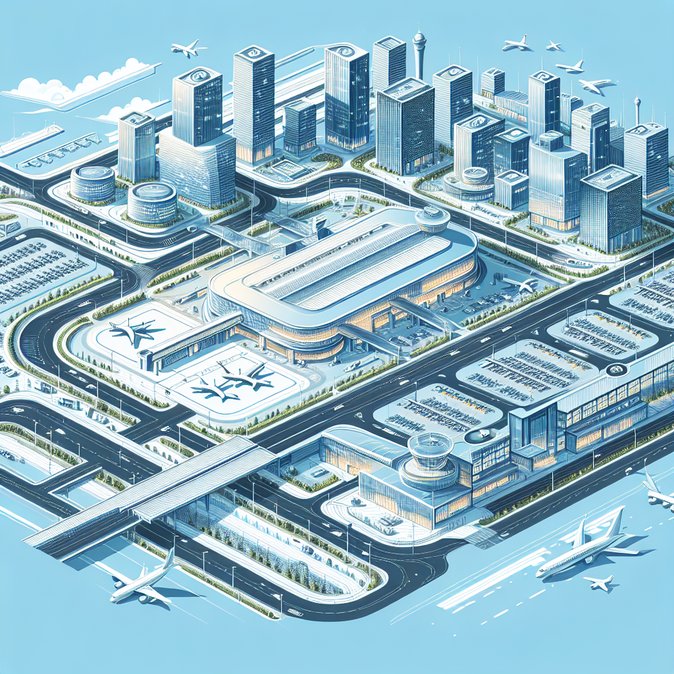
Looking ahead, HKIA expects double-digit passenger growth through the summer, supported by new services to Milan and Seattle as well as Greater Bay Airlines’ planned launch of a Hong Kong–Kuala Lumpur route. With the Three-Runway System slated for full commissioning in 2028, capacity constraints should ease further—good news for corporate mobility teams planning long-term deployment strategies in Asia.
For visa and travel-document requirements, VisaHQ’s Hong Kong portal (https://www.visahq.com/hong-kong/) offers up-to-date guidance and fast processing for everything from single-entry business visas to long-term work permits. Outsourcing paperwork to VisaHQ lets mobility managers keep assignees focused on their objectives instead of queuing at consulates—a timely advantage as flights into HKIA continue to fill up.
Looking ahead, HKIA expects double-digit passenger growth through the summer, supported by new services to Milan and Seattle as well as Greater Bay Airlines’ planned launch of a Hong Kong–Kuala Lumpur route. With the Three-Runway System slated for full commissioning in 2028, capacity constraints should ease further—good news for corporate mobility teams planning long-term deployment strategies in Asia.