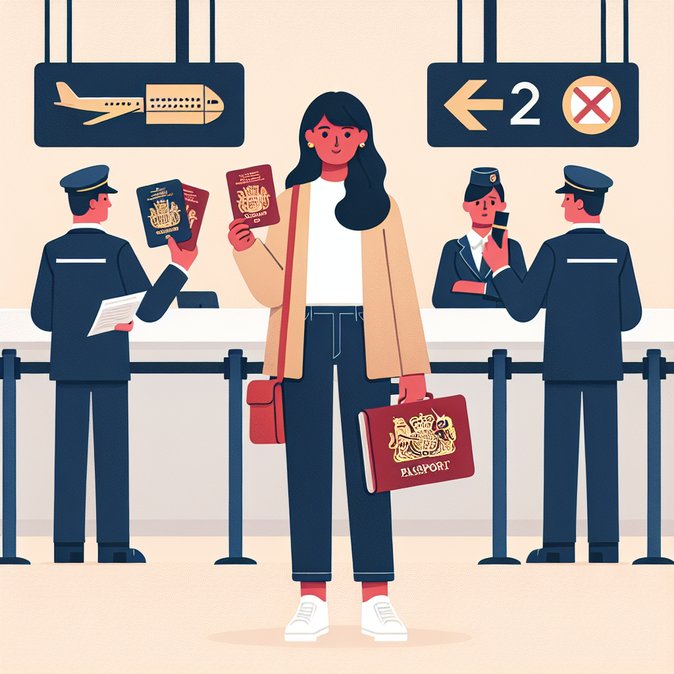
Manx Radio reports that US rapper Kanye West has indefinitely postponed a French concert one week after the UK government denied him a visa to headline this summer’s Wireless Festival in London. The Home Office concluded that West’s presence was ‘not conducive to the public good’ in light of past antisemitic statements—a discretionary refusal ground that has been invoked more frequently since updated guidance was issued in January. Under Appendix V of the Immigration Rules, entertainers and artists seeking to perform in the UK must apply either for a Permitted Paid Engagement or a Temporary Worker (Creative) visa.
![Kanye West visa refusal highlights UK’s tightened ‘public good’ test for entertainers]()
For applicants trying to navigate these routes, VisaHQ’s expert consultants can streamline the process, flag potential risk factors early and file complete applications through its digital platform. Their United Kingdom hub (https://www.visahq.com/united-kingdom/) sets out the step-by-step requirements for both Permitted Paid Engagement and Temporary Worker (Creative) visas, giving promoters and artists a clearer path to approval and valuable contingency time.
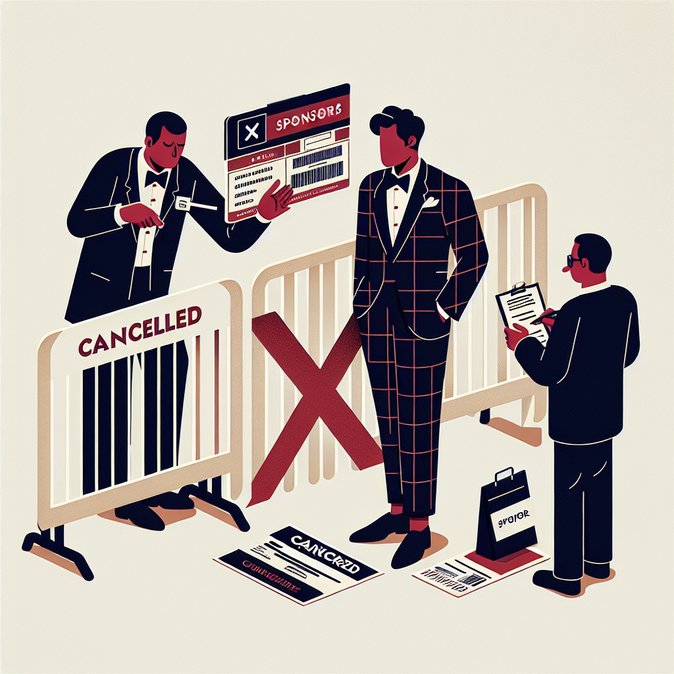
Both routes allow refusal where the Secretary of State believes admission would threaten public order or damage the UK’s international reputation. The West decision follows similar bans on controversial figures this year and signals a stricter line on hate-speech concerns. For event organisers and corporate sponsors the lesson is that due-diligence timelines must lengthen. Promoters should not assume high-profile artists will clear security vetting, and should insert cancellation clauses covering visa refusal. Businesses hosting conferences with keynote speakers known for polarising views may likewise face last-minute substitutions. The incident also underscores reputational risk: several brands withdrew sponsorship of the Wireless Festival within hours of the visa denial. Mobility managers arranging short-term creative assignments should therefore factor in media-profile assessments alongside standard immigration checks.

For applicants trying to navigate these routes, VisaHQ’s expert consultants can streamline the process, flag potential risk factors early and file complete applications through its digital platform. Their United Kingdom hub (https://www.visahq.com/united-kingdom/) sets out the step-by-step requirements for both Permitted Paid Engagement and Temporary Worker (Creative) visas, giving promoters and artists a clearer path to approval and valuable contingency time.
Both routes allow refusal where the Secretary of State believes admission would threaten public order or damage the UK’s international reputation. The West decision follows similar bans on controversial figures this year and signals a stricter line on hate-speech concerns. For event organisers and corporate sponsors the lesson is that due-diligence timelines must lengthen. Promoters should not assume high-profile artists will clear security vetting, and should insert cancellation clauses covering visa refusal. Businesses hosting conferences with keynote speakers known for polarising views may likewise face last-minute substitutions. The incident also underscores reputational risk: several brands withdrew sponsorship of the Wireless Festival within hours of the visa denial. Mobility managers arranging short-term creative assignments should therefore factor in media-profile assessments alongside standard immigration checks.